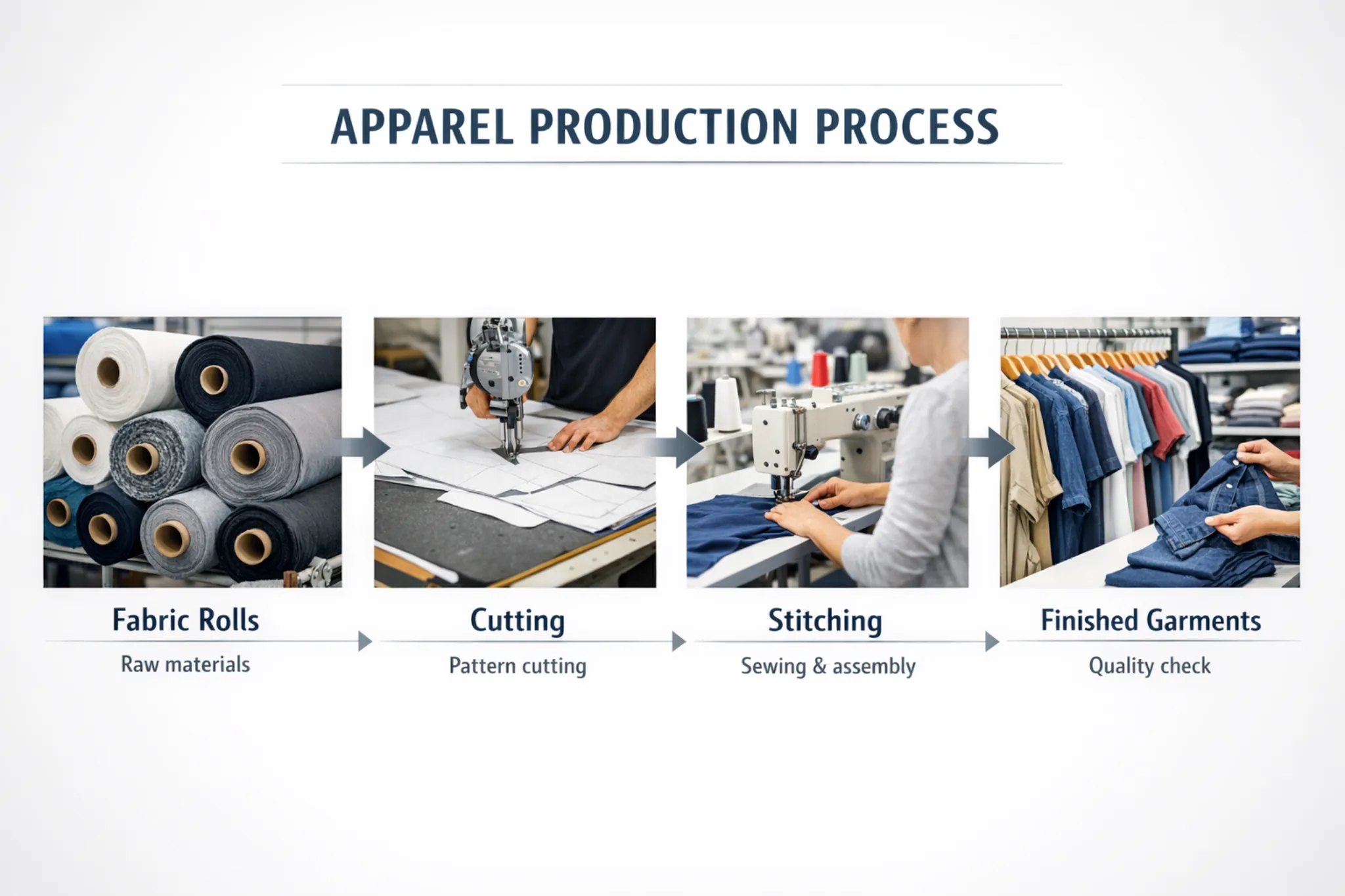
Garment production is often misunderstood as simple stitching. In reality, it is a structured process that starts much earlier with fabric and continues through multiple stages before a finished product is ready.
If you are planning a clothing line or working with a clothing manufacturer, understanding this process helps you make better decisions, avoid delays, and maintain product quality.
This guide explains how garment production works in a practical and easy-to-follow way.
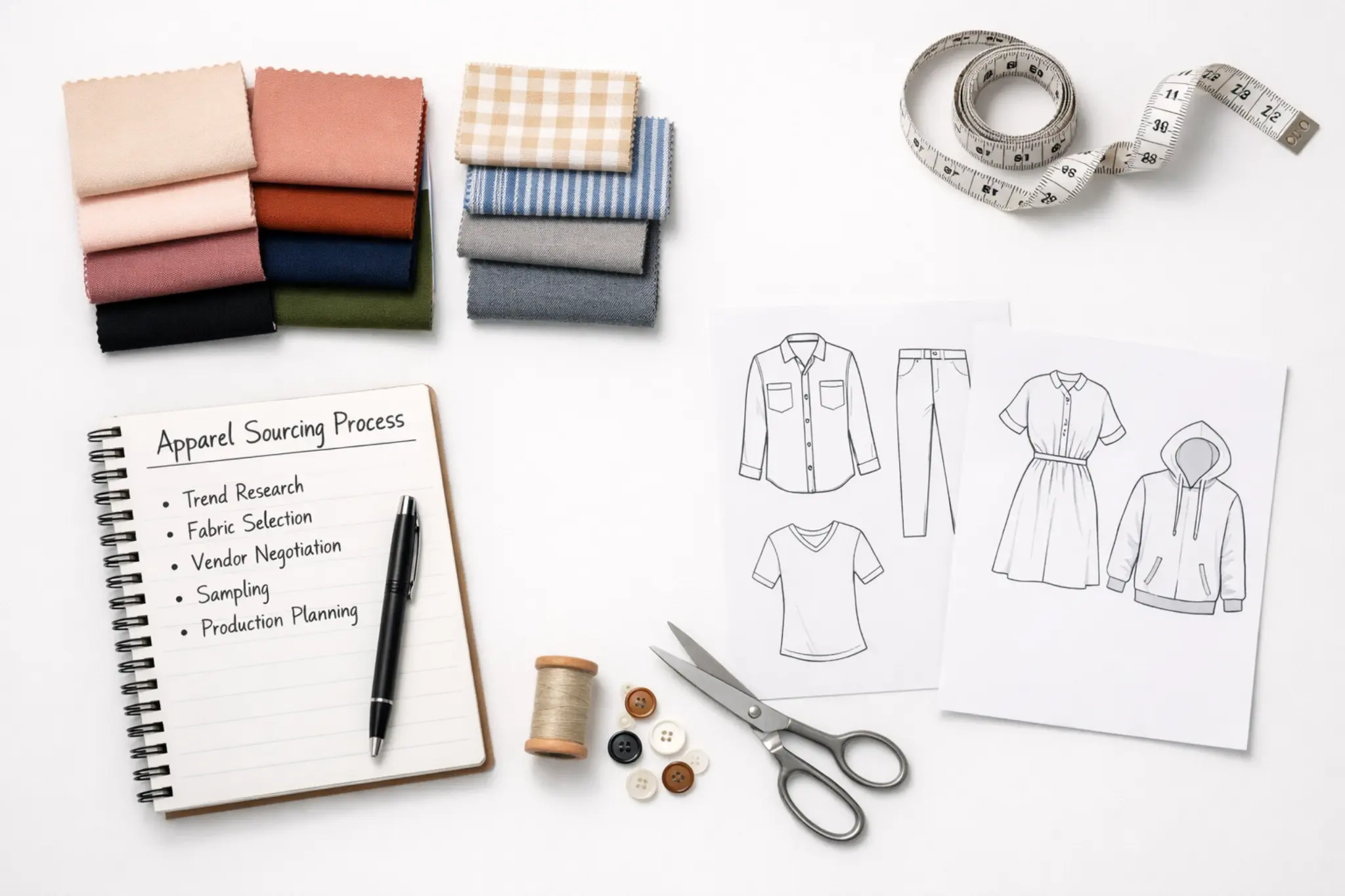
Step 1: Fabric Sourcing and Development
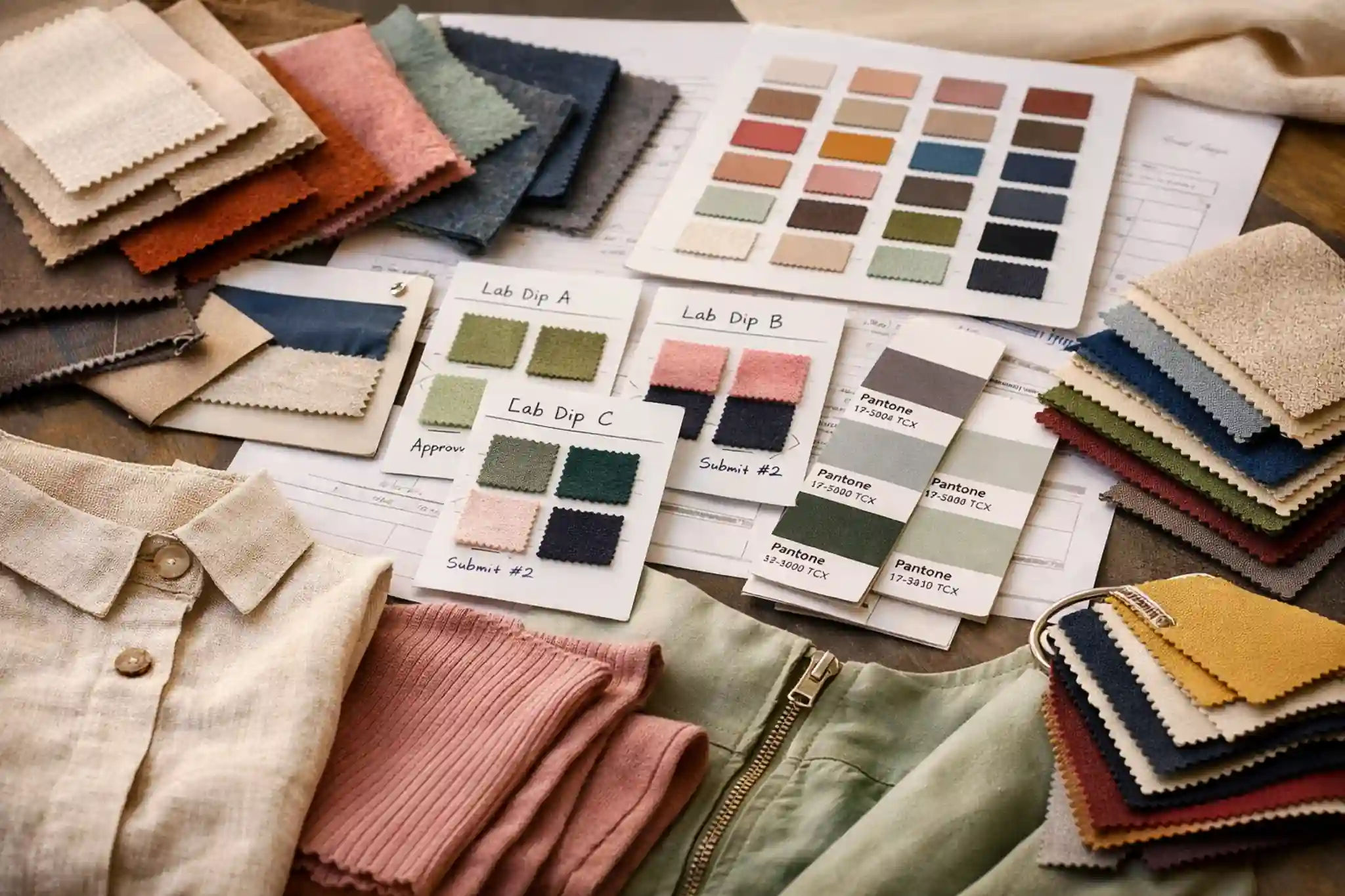
Every garment starts with fabric. This stage defines how the final product will look, feel, and perform.
Key decisions include:
Fabric type such as cotton, blends, fleece, or interlock
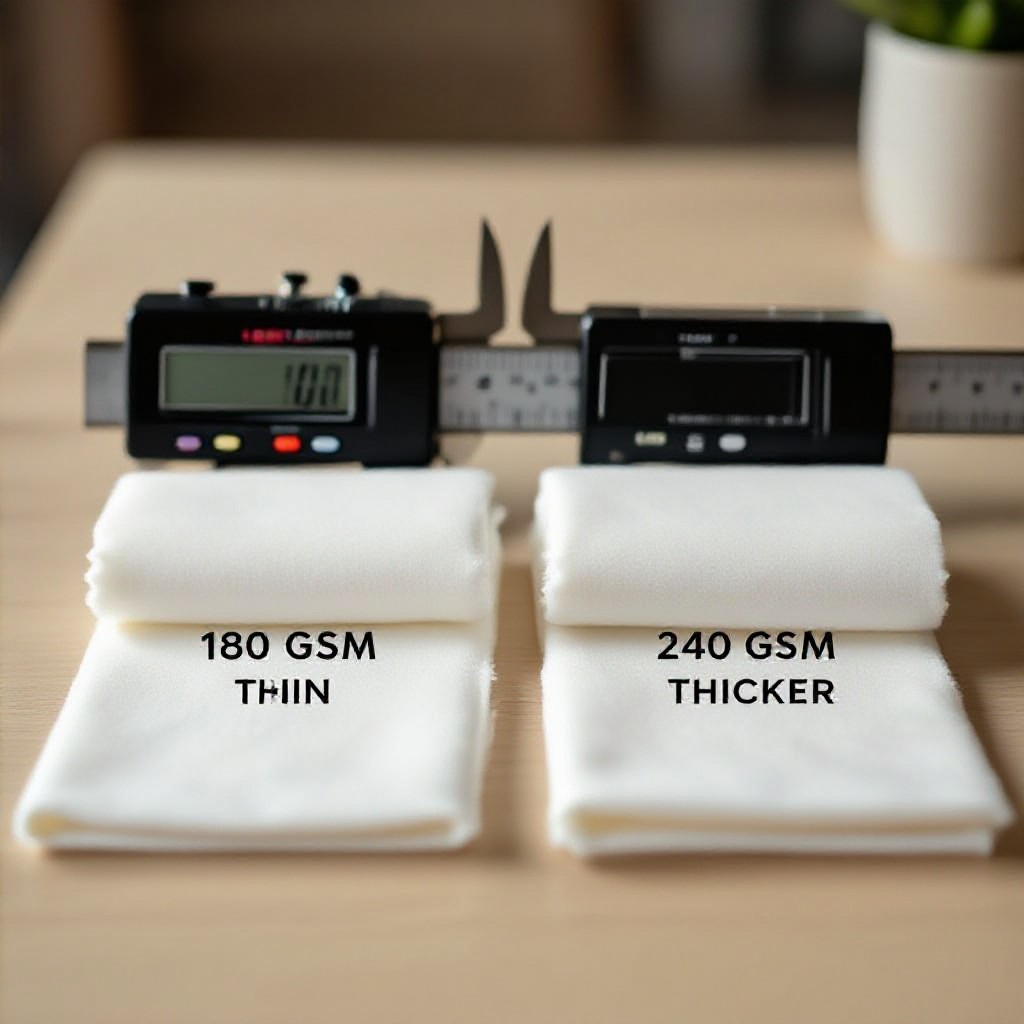
Fabric weight or GSM
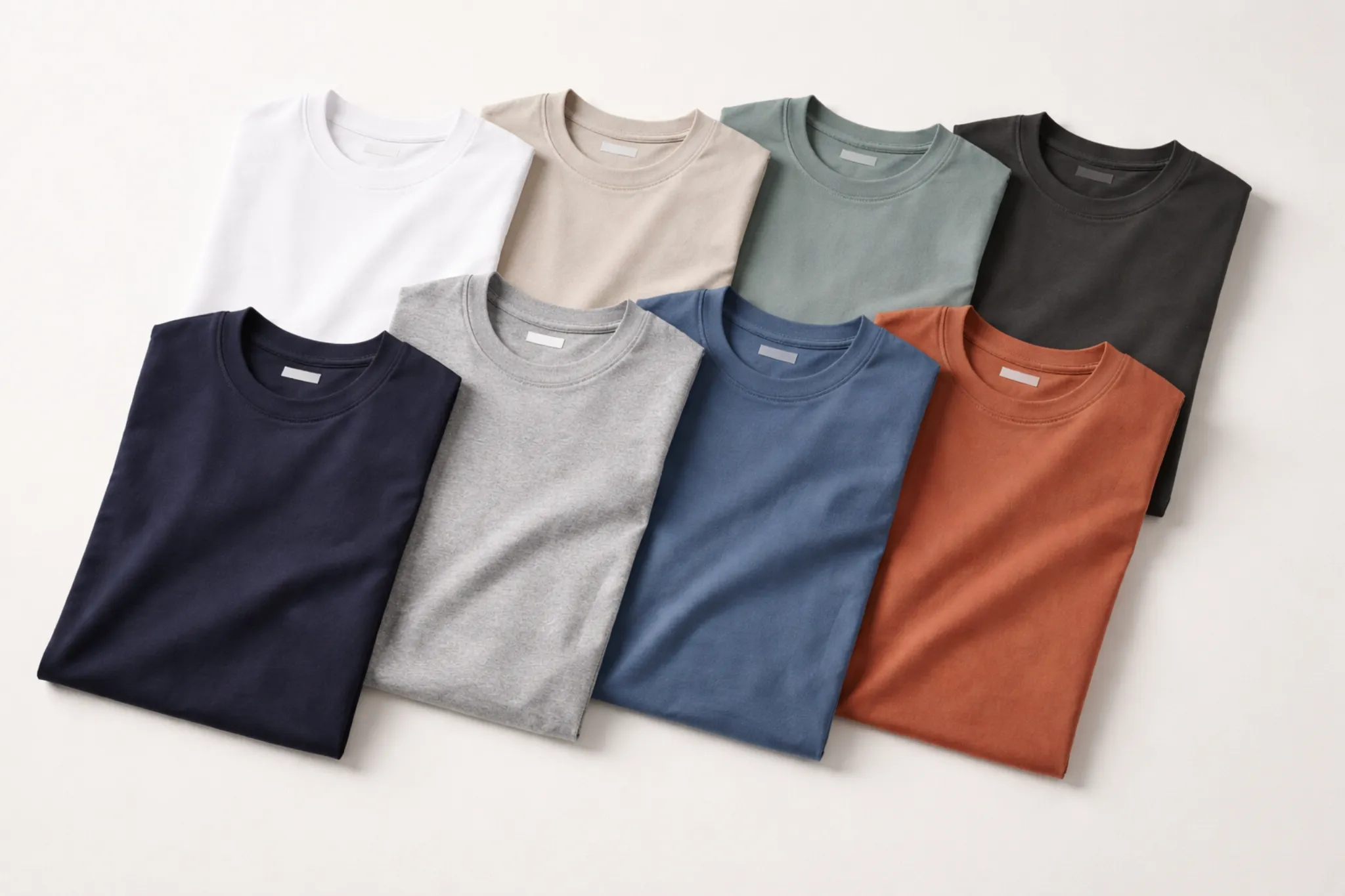
Color selection and dyeing method
Availability or need for custom development
Fabric mills usually require minimum quantities for dyeing. This is one of the main reasons clothing manufacturers set minimum order quantities.
Step 2: Pattern Making
Pattern making converts your design into a technical blueprint.
This involves:
Creating base patterns for one size
Grading patterns into multiple sizes
Adjusting fit such as regular, oversized, or relaxed
Accurate patterns are critical because even small errors can affect fit across the entire production.
Step 3: Sampling and Fit Approval
Before bulk production begins, samples are developed and reviewed.
Common stages include:
Development sample
Fit sample
Pre-production sample
This step allows you to confirm:
Fit and measurements
Fabric quality
Print placement and finishing details
Production should move forward only after final sample approval.
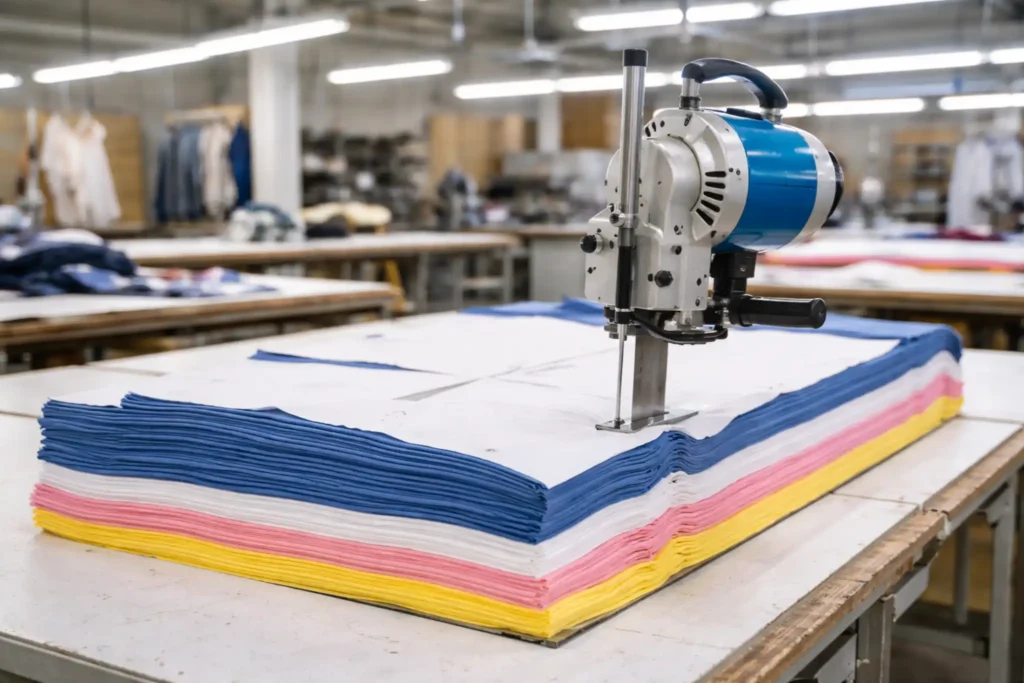
Step 4: Fabric Cutting
Once samples are approved, fabric cutting begins.
The process includes:
Spreading fabric in layers
Marker planning to reduce wastage
Cutting using manual or automated machines
Precision during cutting ensures consistency across all garments.
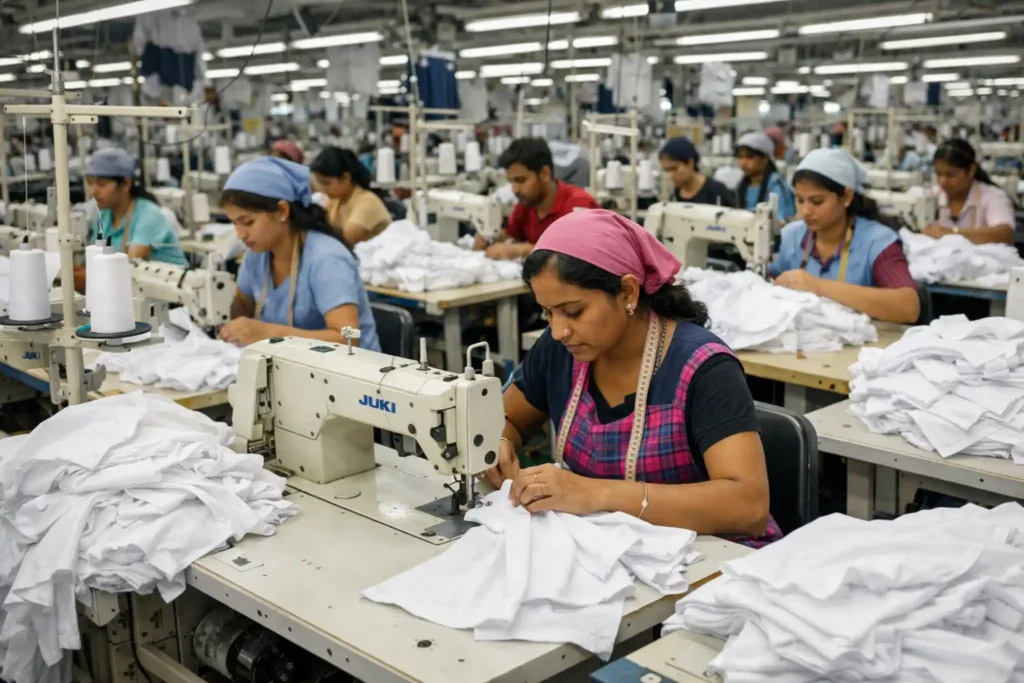
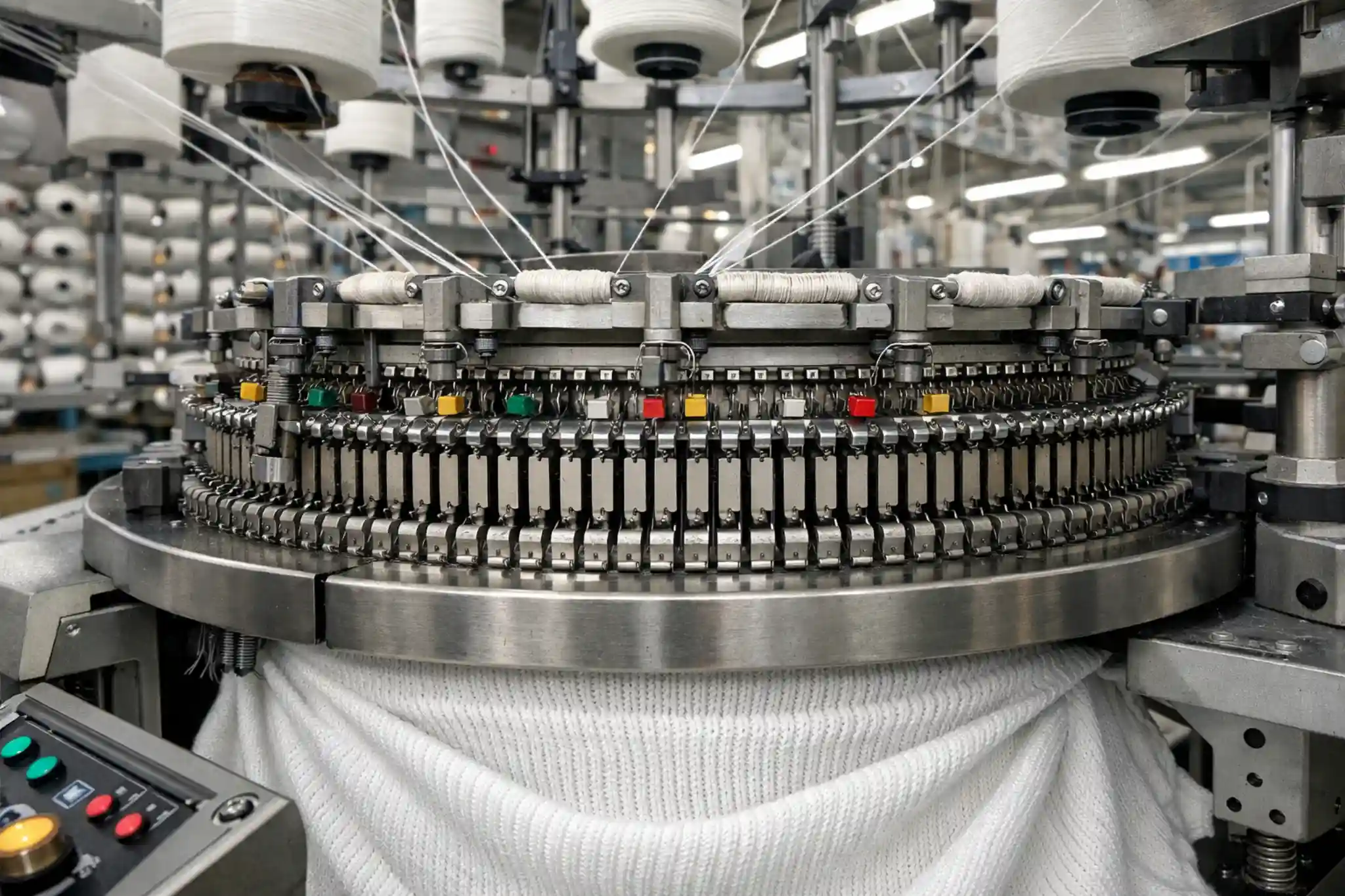
Step 5: Stitching and Assembly
This is where the garment takes shape.
In most factories, stitching is done in an assembly line system:
Each operator performs a specific task
Panels are joined step by step
Components like sleeves, ribs, and labels are attached
This method improves speed and maintains consistency in bulk production.
Step 6: Printing and Embellishment
If the garment includes design elements, printing or embellishment is done after or during stitching depending on the requirement.
Common techniques include:
Screen printing
High density or puff printing
Heat transfer prints
Embroidery
The choice depends on fabric type, design complexity, and order quantity.
Step 7: Finishing
After stitching and printing, garments go through finishing.
This stage includes:
Thread trimming
Ironing and pressing
Measurement checks
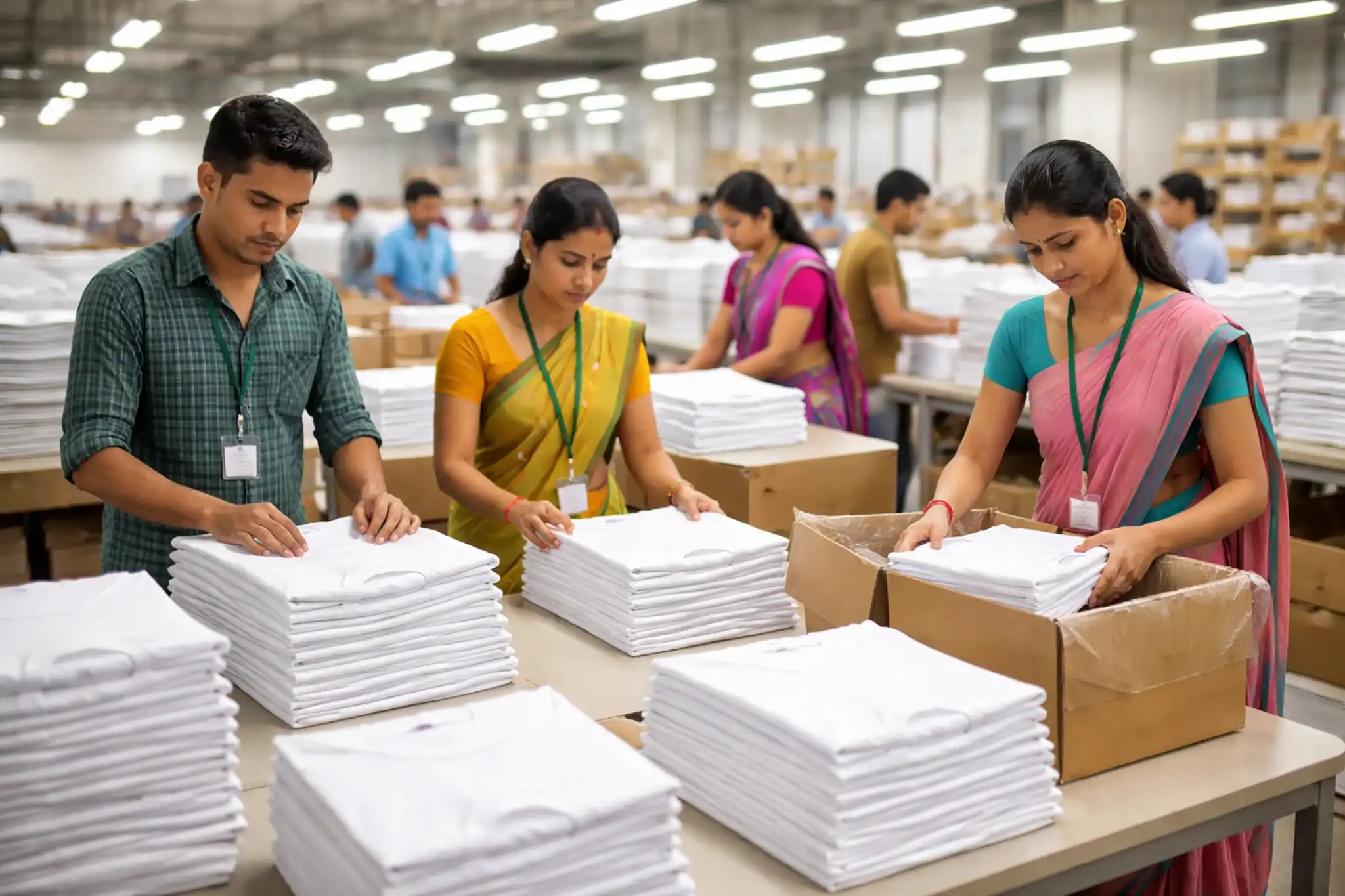
Cleaning and folding
Finishing ensures the garment looks polished and ready for delivery.
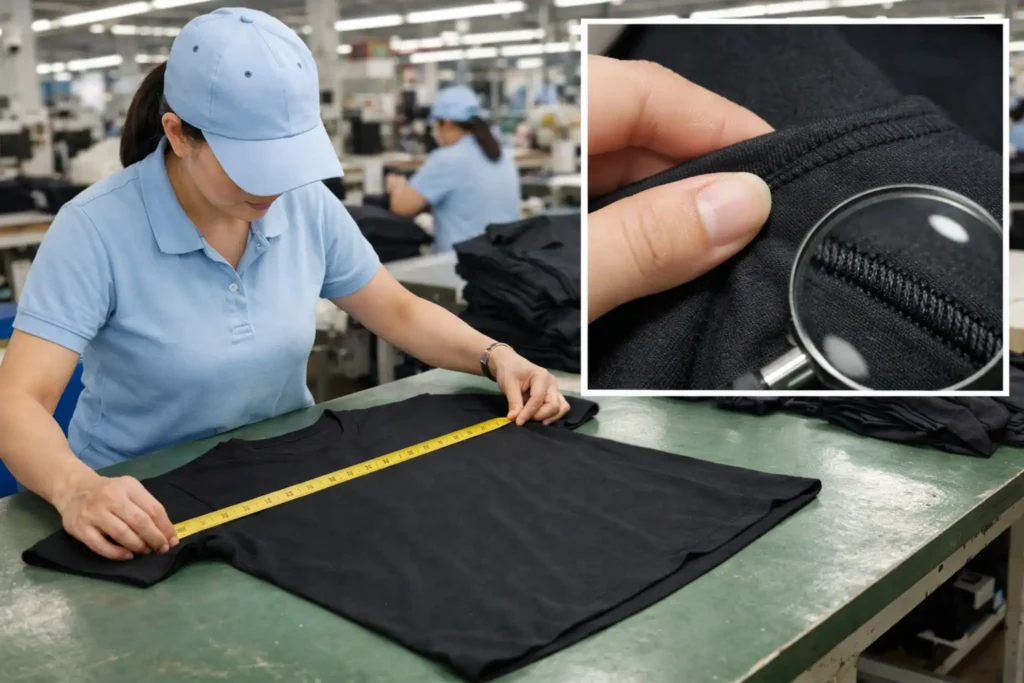
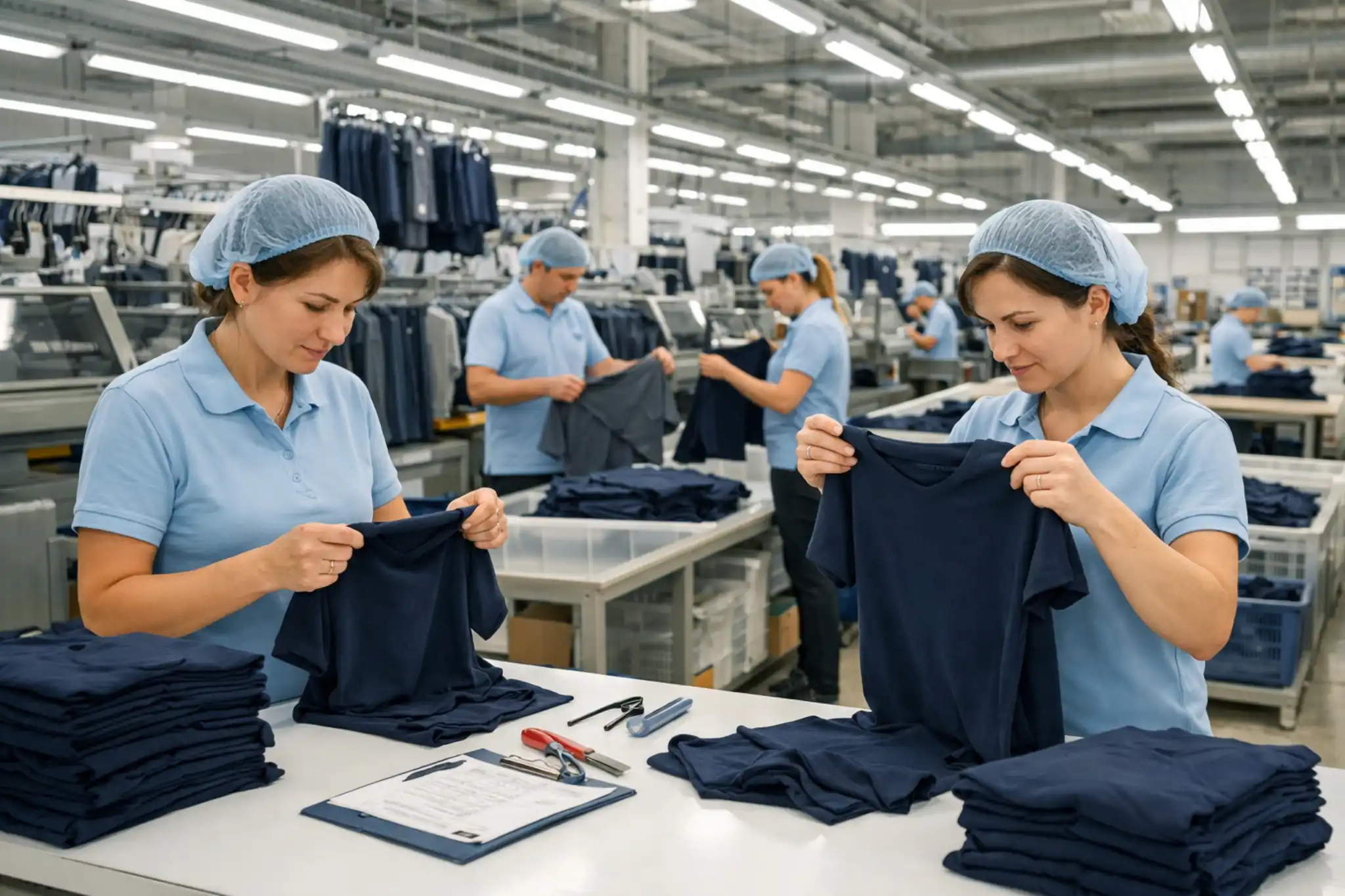
Step 8: Quality Control
Quality control is carried out at different stages of production.
Inline inspection happens during stitching to catch issues early. Final inspection is done after production is complete.
Checks typically include:
Measurement accuracy
Stitch quality
Fabric defects
Print quality
Strong quality control is essential for consistent output.
Step 9: Packing and Shipment
After approval, garments are packed for shipment.
This includes:
Folding and polybag packing
Carton packing
Labeling and barcode placement
Shipping is arranged based on urgency and cost:
Air shipment for faster delivery
Sea shipment for larger and cost-effective orders
Production Timeline
A typical garment production timeline looks like this:
Sampling takes about 2 to 3 weeks
Bulk production takes 4 to 8 weeks
Shipping takes 1 to 4 weeks
Timelines vary based on order size, fabric availability, and complexity.
Common Production Challenges
Even well-planned production can face challenges:
Fabric delays from mills
Pattern or fit issues
Printing inconsistencies
Communication gaps
Last-minute changes
Clear planning and communication reduce most of these risks.
Final Thoughts
Garment production is a coordinated process that involves multiple stages working together.
Understanding each step helps you work better with a clothing manufacturer, improve product quality, and avoid unnecessary delays.
If you are building a clothing brand or sourcing garments, learning the production process gives you a strong advantage.