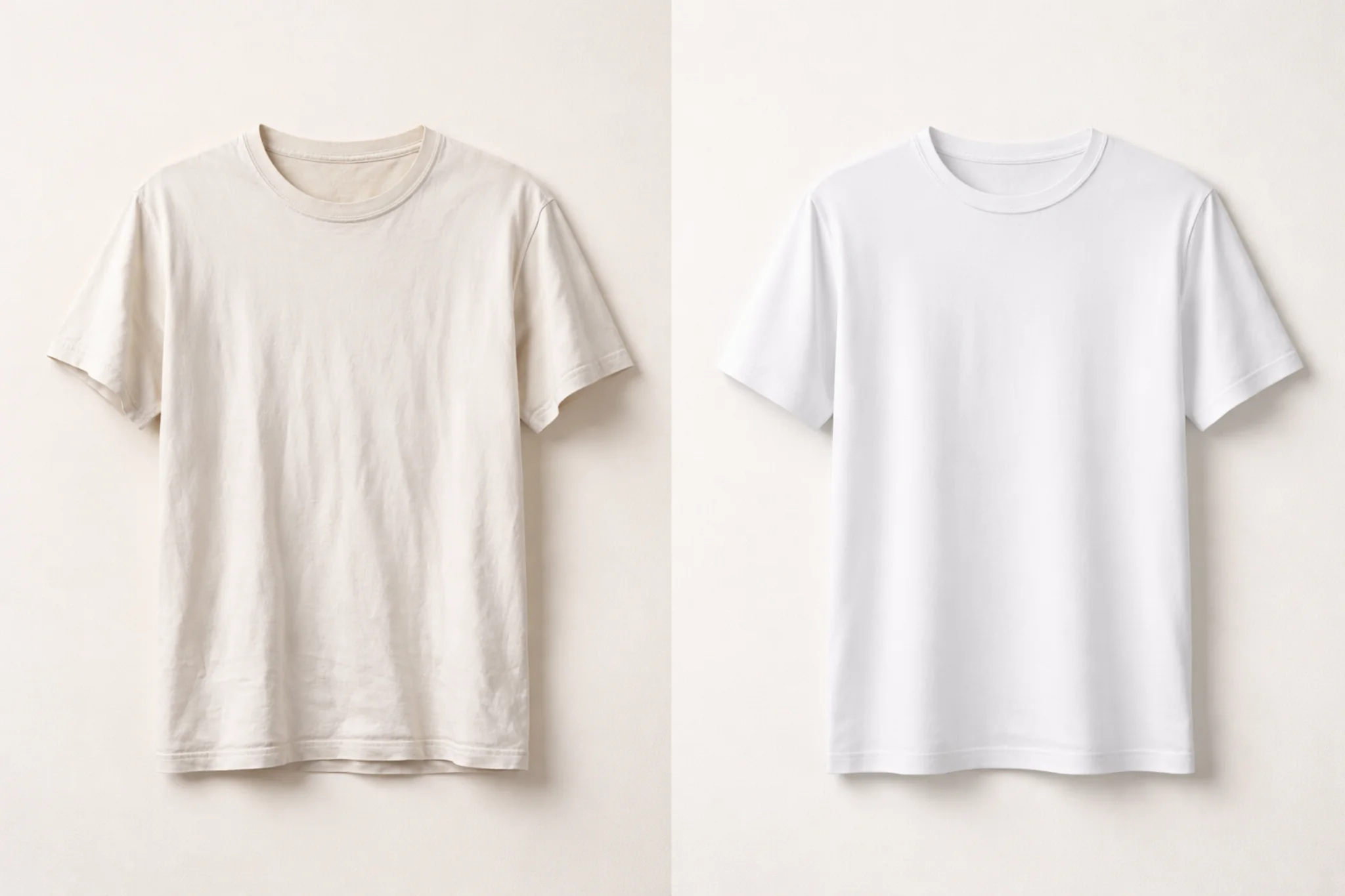
Cheap clothing often feels like a smart purchase. The price is low, the design looks similar to premium options, and the decision seems easy.
But over time, many buyers realize that cheap clothing does not always deliver real value. What looks affordable at first can lead to repeated purchases, inconsistent quality, and higher long-term costs.
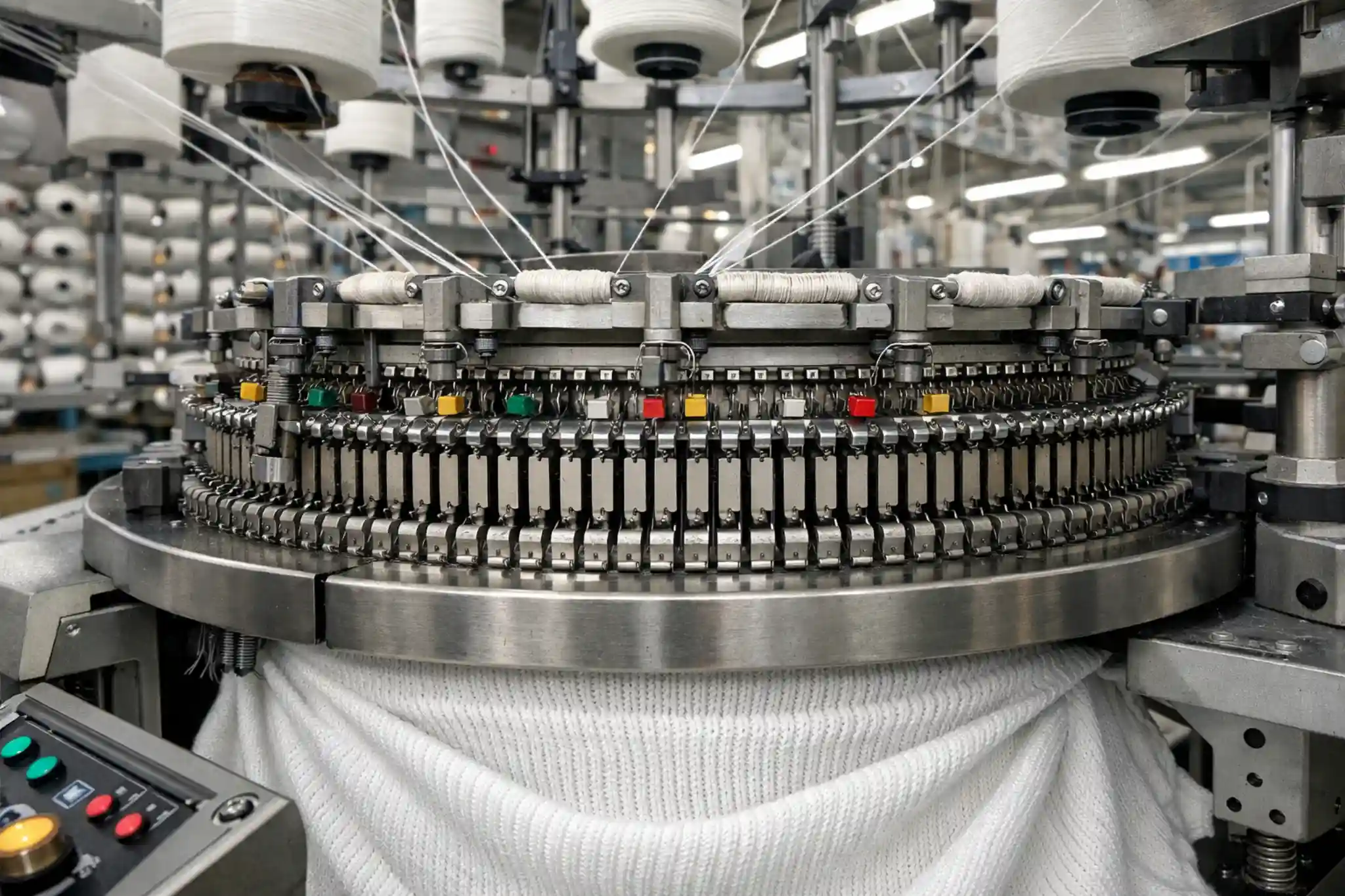
Understanding why this happens requires looking beyond the price tag and examining how clothing is actually made.
The Difference Between Price and Value
Price is what you pay in the moment. Value is what you get over time.
Cheap clothing focuses on reducing upfront cost. This usually involves compromises in fabric quality, production methods, and finishing standards. While the garment may look acceptable initially, it often does not hold up after regular use.
Higher-quality clothing, on the other hand, is built to last. The materials are more stable, the construction is stronger, and the overall consistency is better. Even if the initial cost is higher, the product performs over a longer period.
This difference is where long-term cost begins to shift.
Fabric Quality Makes a Bigger Difference Than Most People Realize
One of the biggest factors behind cheap clothing is fabric selection.
Lower-cost garments often use:
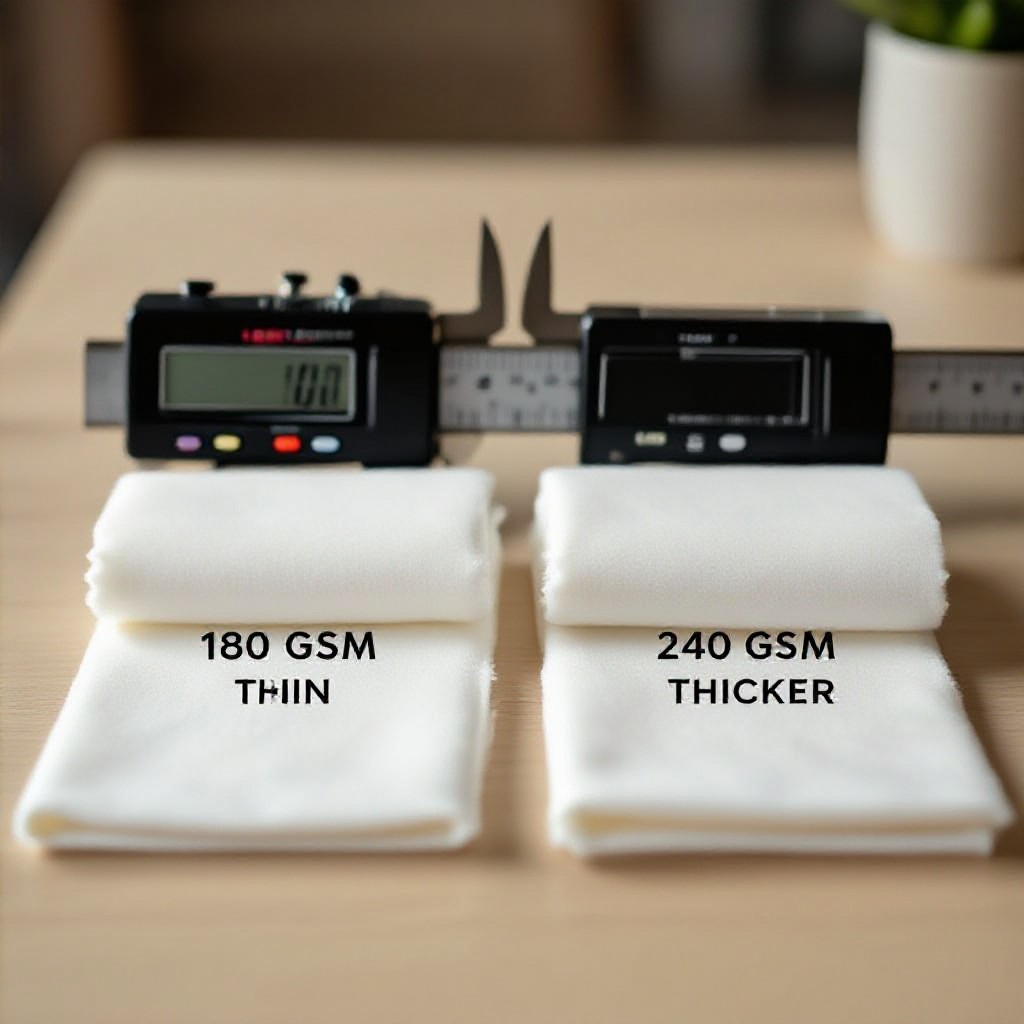
- Lower GSM fabrics that feel thin
- Less stable yarns
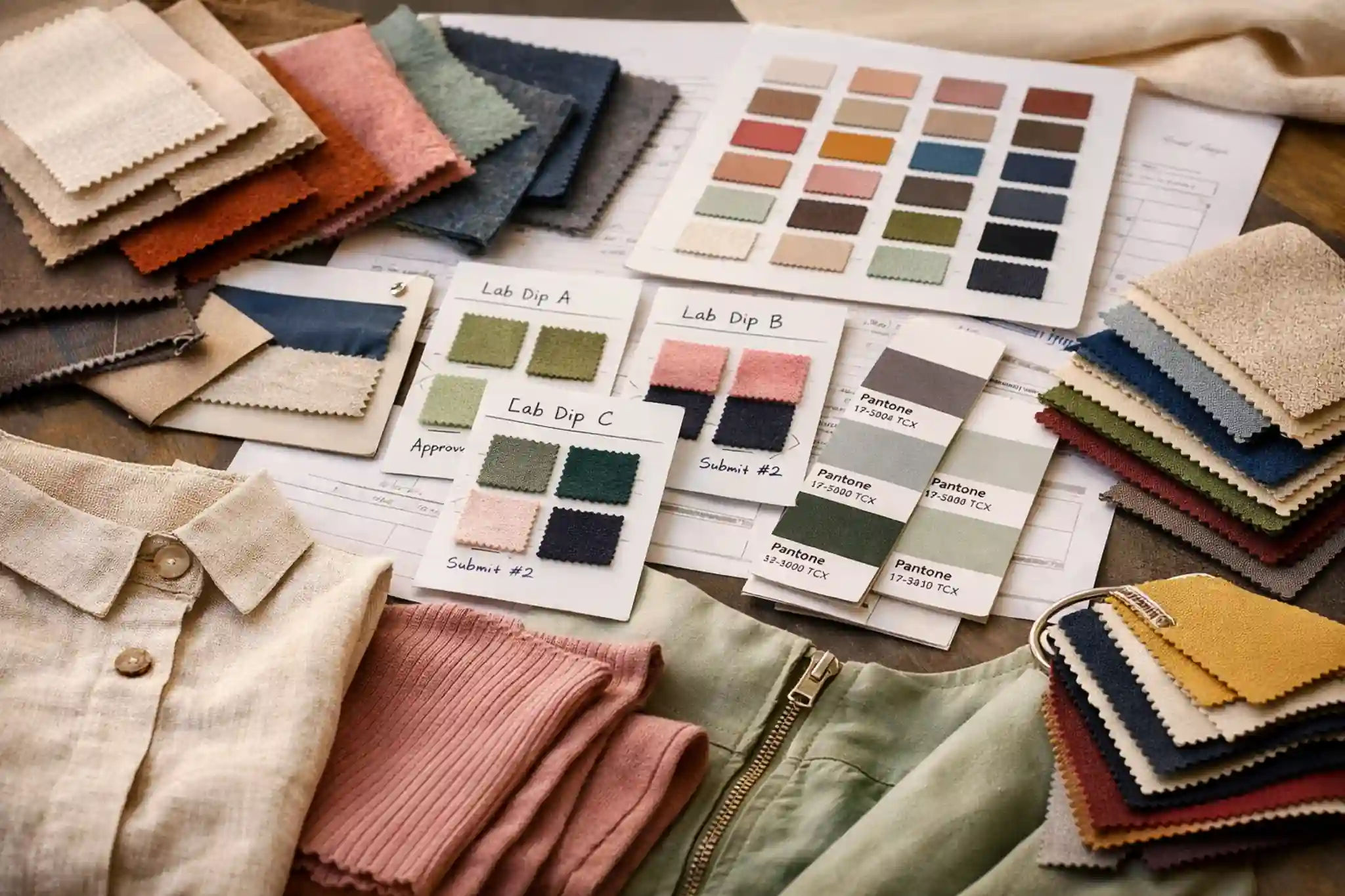
- Inconsistent dyeing processes
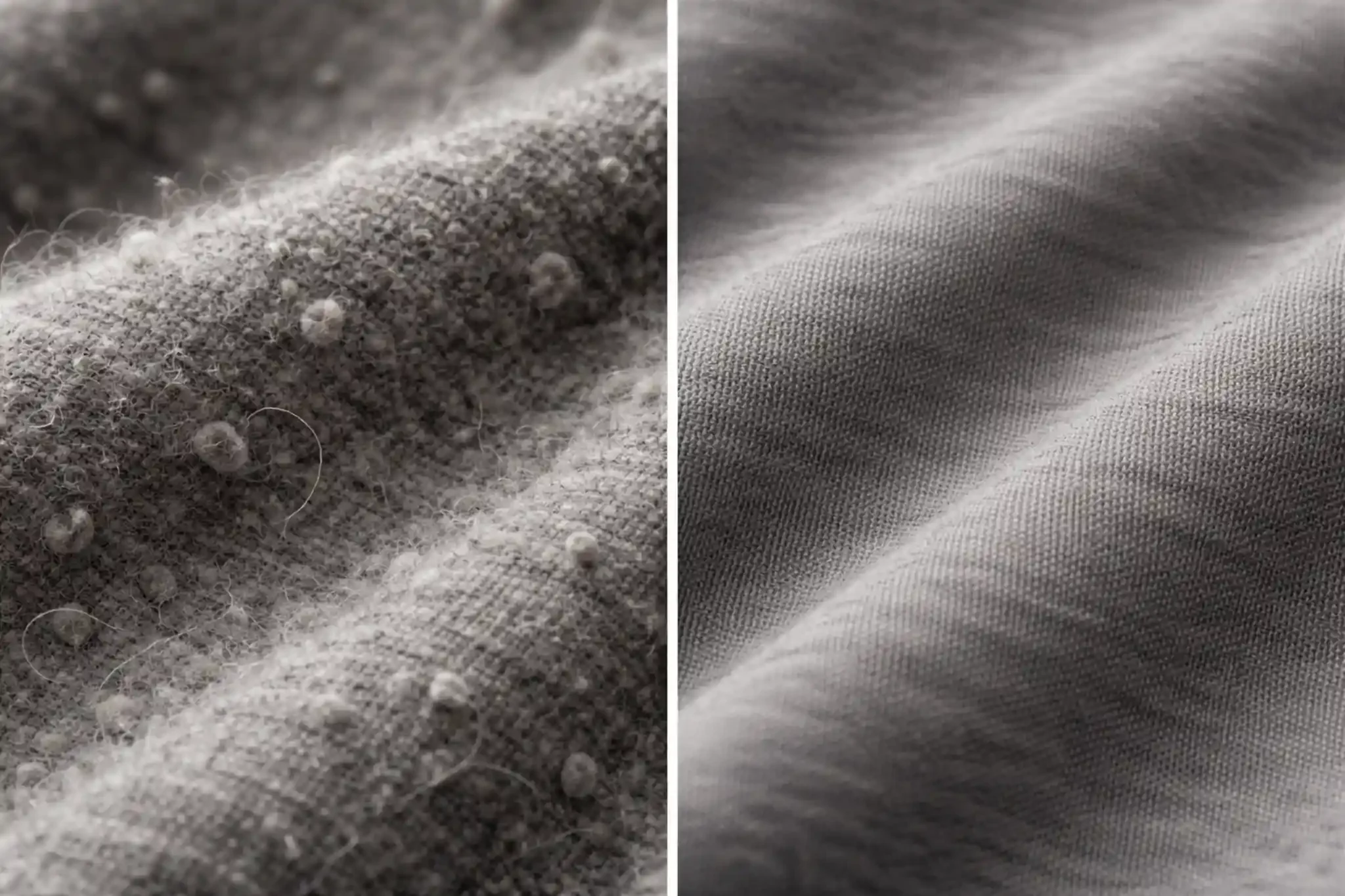
These fabrics may look fine at first but tend to lose shape, fade quickly, or develop surface issues after washing.
In contrast, better-quality clothing uses fabrics that are more stable and consistent. The weight, texture, and finish are controlled more carefully, which improves durability.
Fabric is not just about feel. It directly affects how long a garment can be worn.
Construction and Stitching Affect Durability
Another area where cheap clothing cuts cost is construction.
Garments produced at very low price points often have:
- Loose or uneven stitching
- Weak seam strength
- Minimal reinforcement in stress areas
These issues may not be visible immediately, but they appear after a few wears or washes. Seams can twist, stitching can open, and the overall structure of the garment can change.
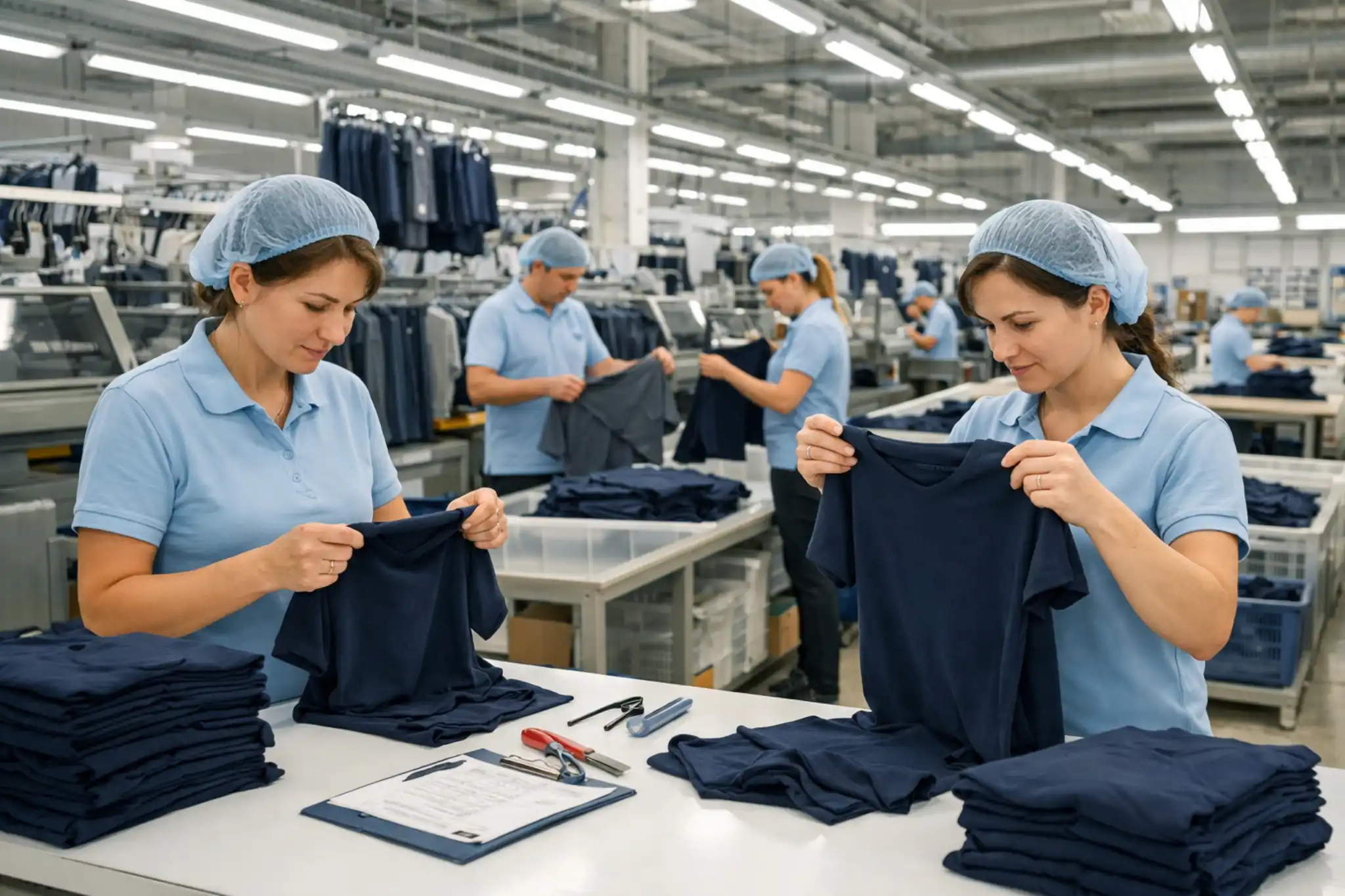
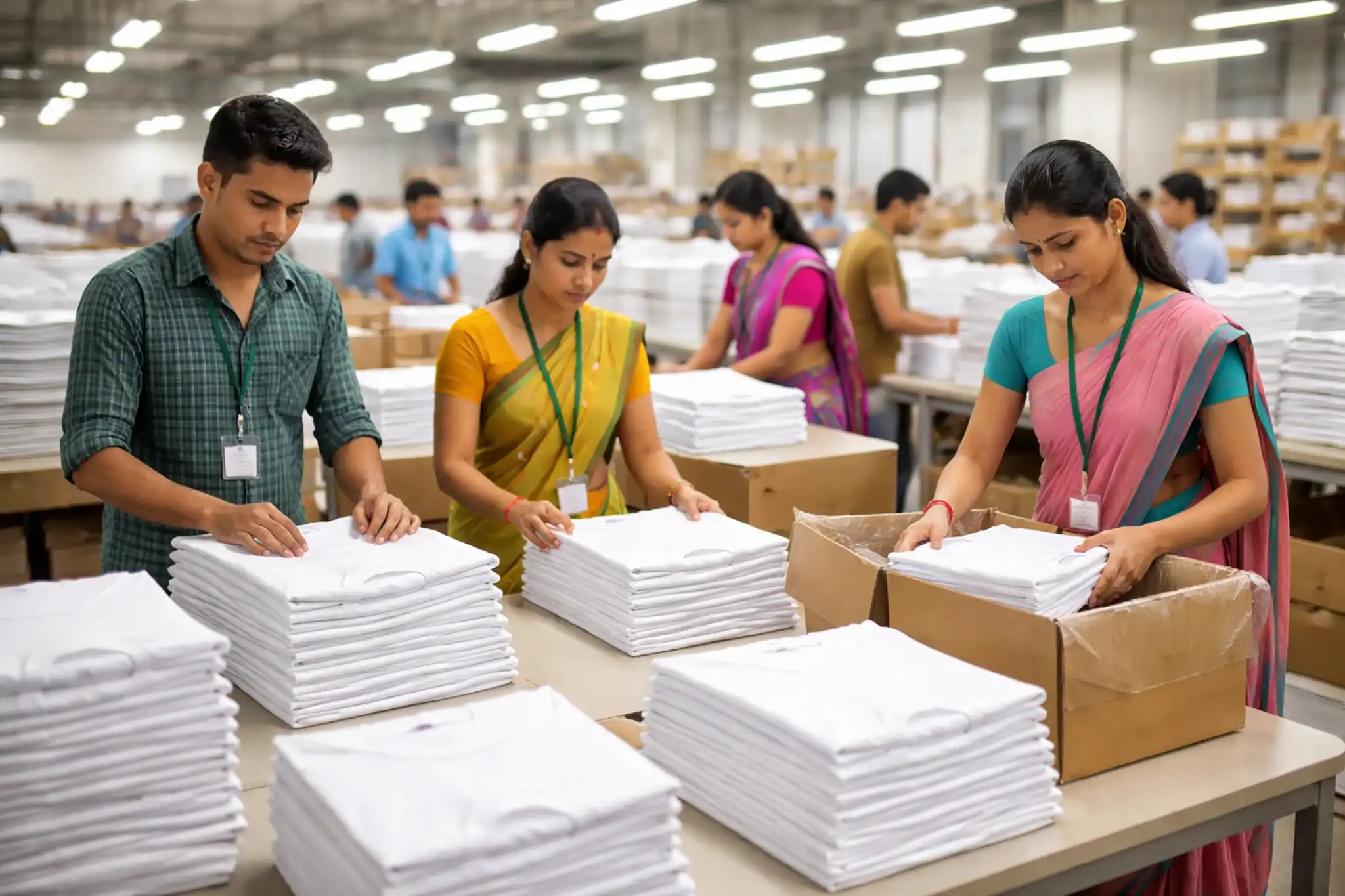
Better construction requires more time, better-trained operators, and stricter quality checks. These factors increase production cost, but they also improve longevity.
Repeated Buying Increases the Real Cost
The hidden cost of cheap clothing becomes clear over time.
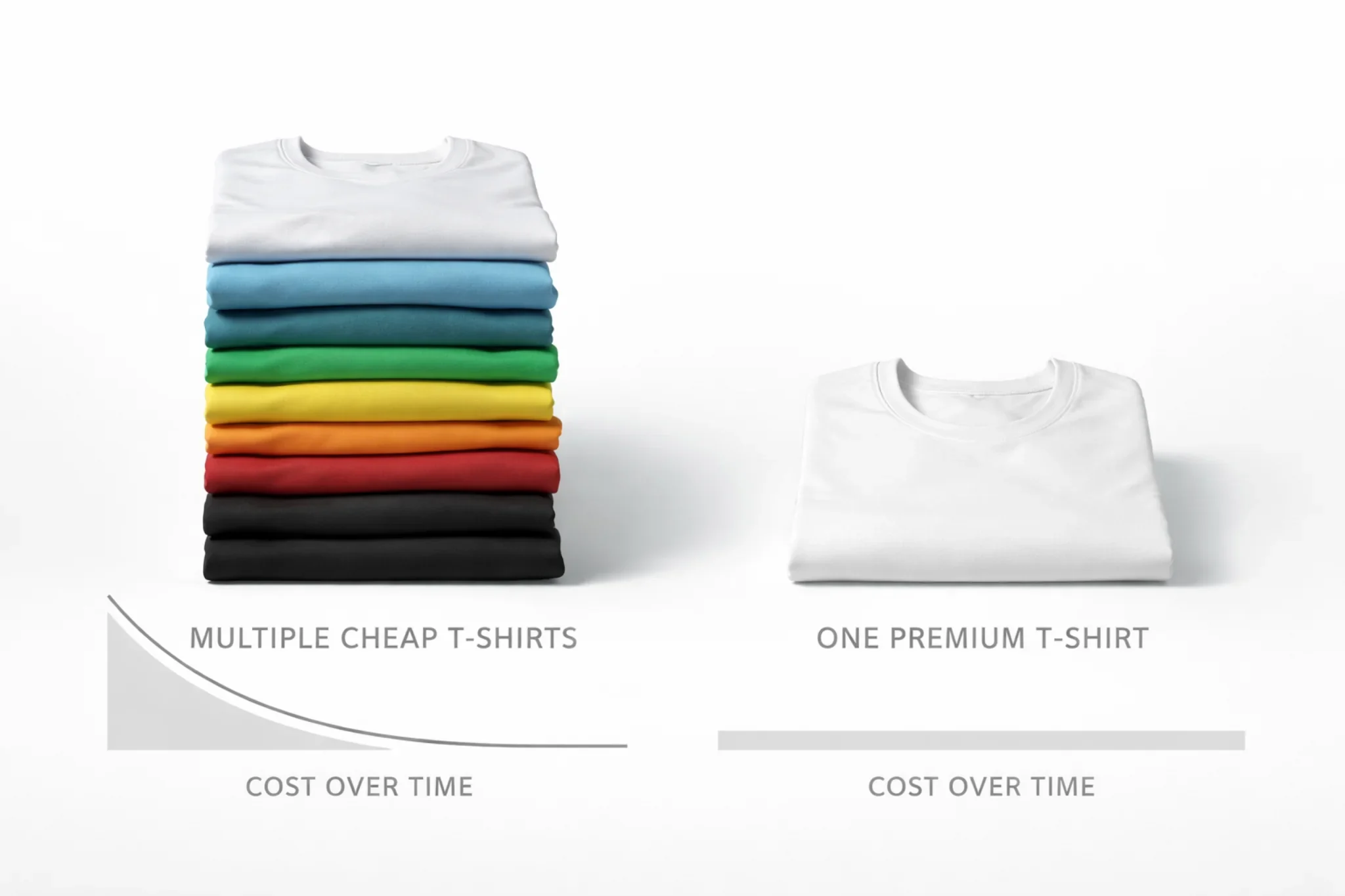
If a T-shirt needs to be replaced every few months due to fading or shape loss, the total spend adds up quickly. What seemed like a low-cost option turns into a repeated expense.
On the other hand, a well-made garment that lasts longer reduces the need for frequent replacement. Even if the initial price is higher, the cost per use becomes lower.
This is where the idea of value becomes practical rather than theoretical.
Inconsistent Quality Leads to Uncertainty
Cheap clothing is often inconsistent.
Two garments from the same batch may not feel or fit the same. Color variation, sizing differences, and finishing issues are common when production is rushed or quality control is limited.
For individual buyers, this creates frustration. For brands, it creates risk.
Consistency is a key part of clothing manufacturing. Achieving it requires controlled processes, proper inspection, and attention to detail. These are rarely priorities in extremely low-cost production.
Impact on Brand Perception
For clothing brands, the effects of cheap clothing go beyond product performance.
Customers associate quality with the brand itself. If the product does not meet expectations, it affects trust, repeat purchases, and long-term growth.
A slightly higher investment in fabric and production can significantly improve how a product is perceived. This is especially important in competitive markets where differentiation matters.
The Role of Production Decisions
Cheap clothing is not accidental. It is the result of deliberate decisions.
Reducing cost may involve:
- Choosing lower-grade fabric
- Skipping certain finishing processes
- Reducing quality control checks
- Increasing production speed
Each of these decisions has a direct impact on the final product.
Understanding this helps buyers and brands make more informed choices. The goal is not to avoid cost efficiency, but to balance cost with quality.
Final Thoughts
Cheap clothing may offer short-term savings, but it often leads to higher long-term costs through repeated purchases, inconsistent quality, and reduced durability.
Looking beyond the price tag and understanding how garments are made can change the way you evaluate clothing.
Whether you are buying for personal use or building a brand, focusing on value rather than just cost leads to better outcomes over time.