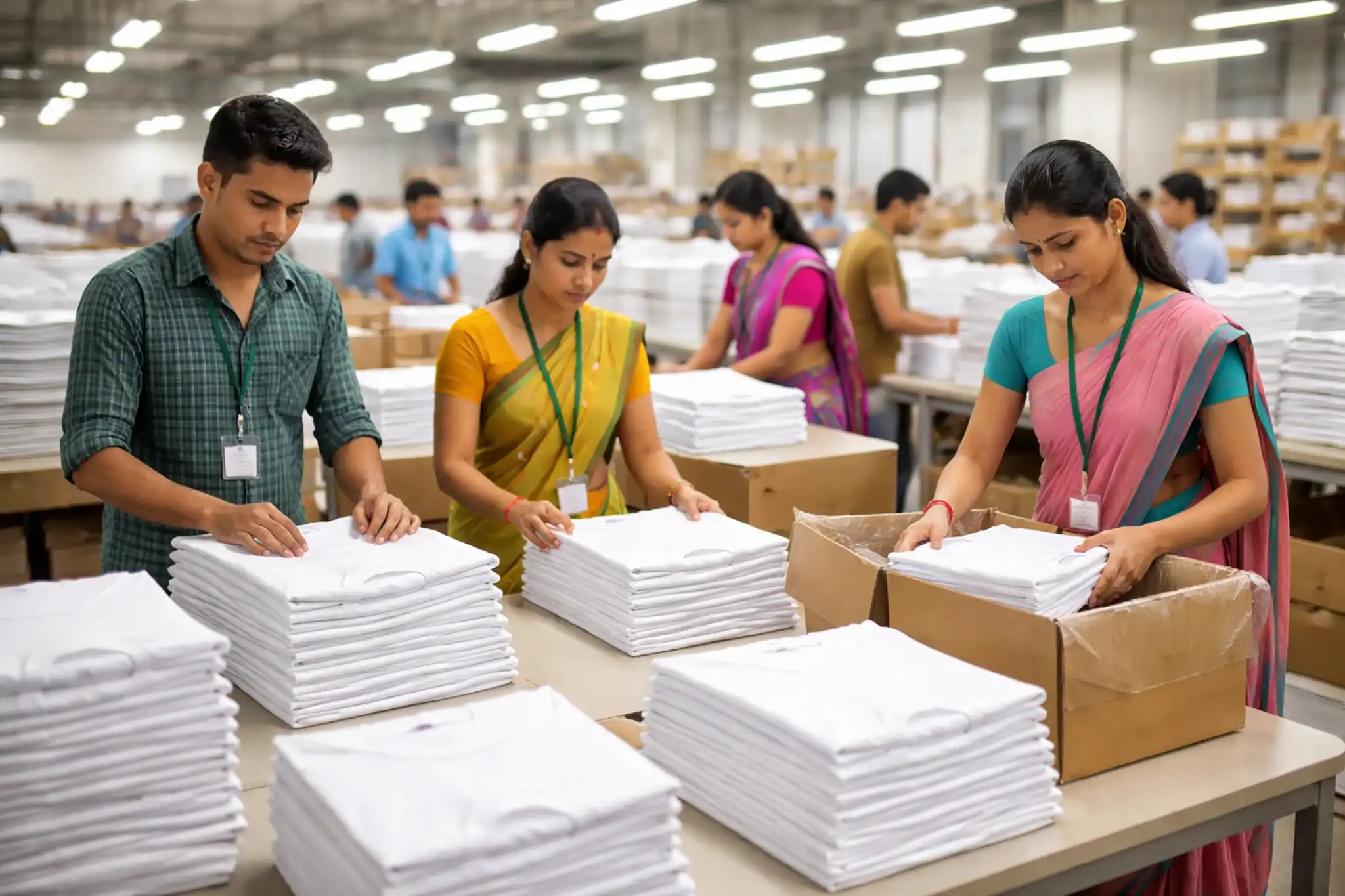
If you’re planning to start a clothing brand or launch a new apparel line, one of the first challenges you’ll face is sourcing.
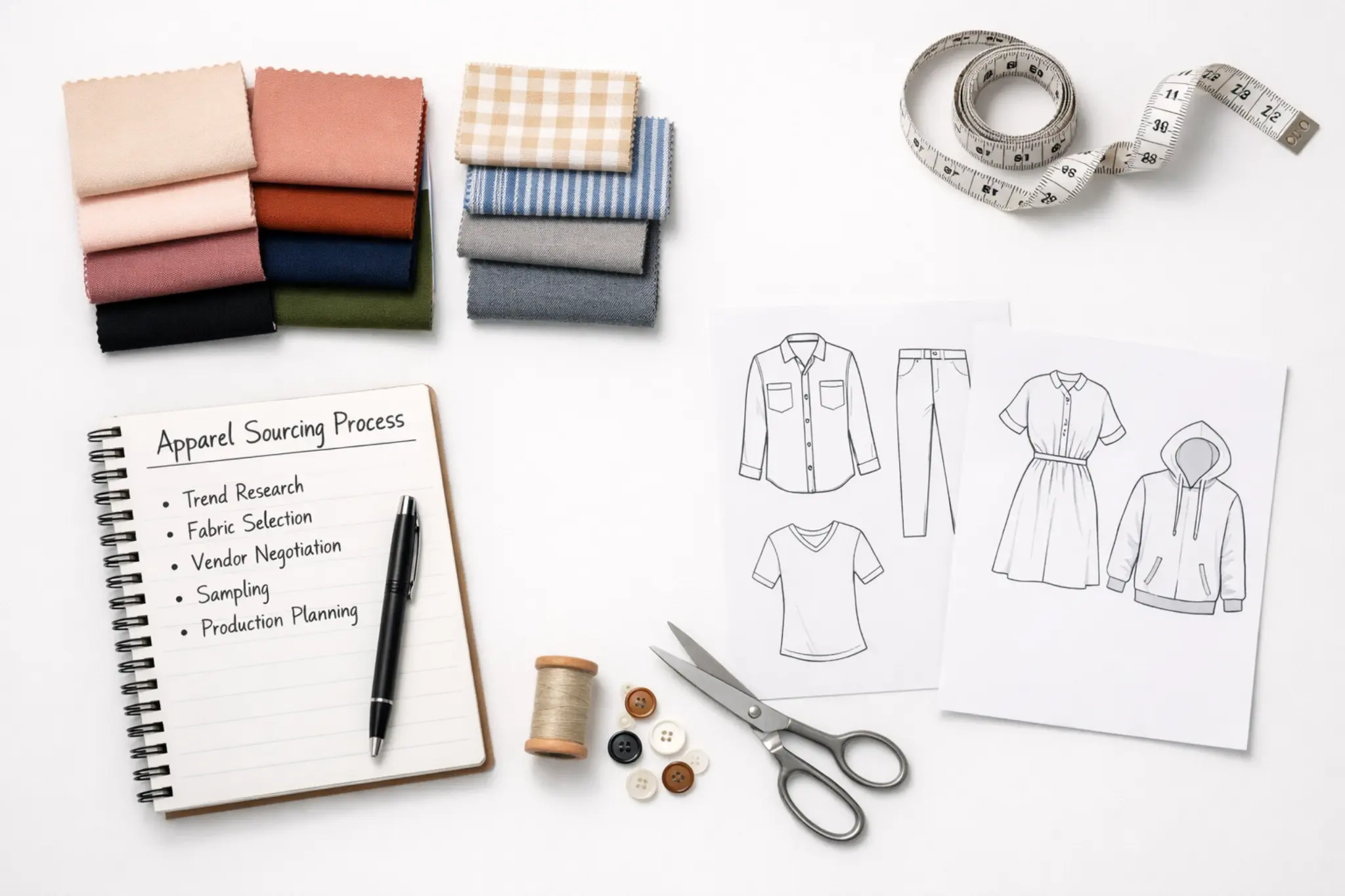
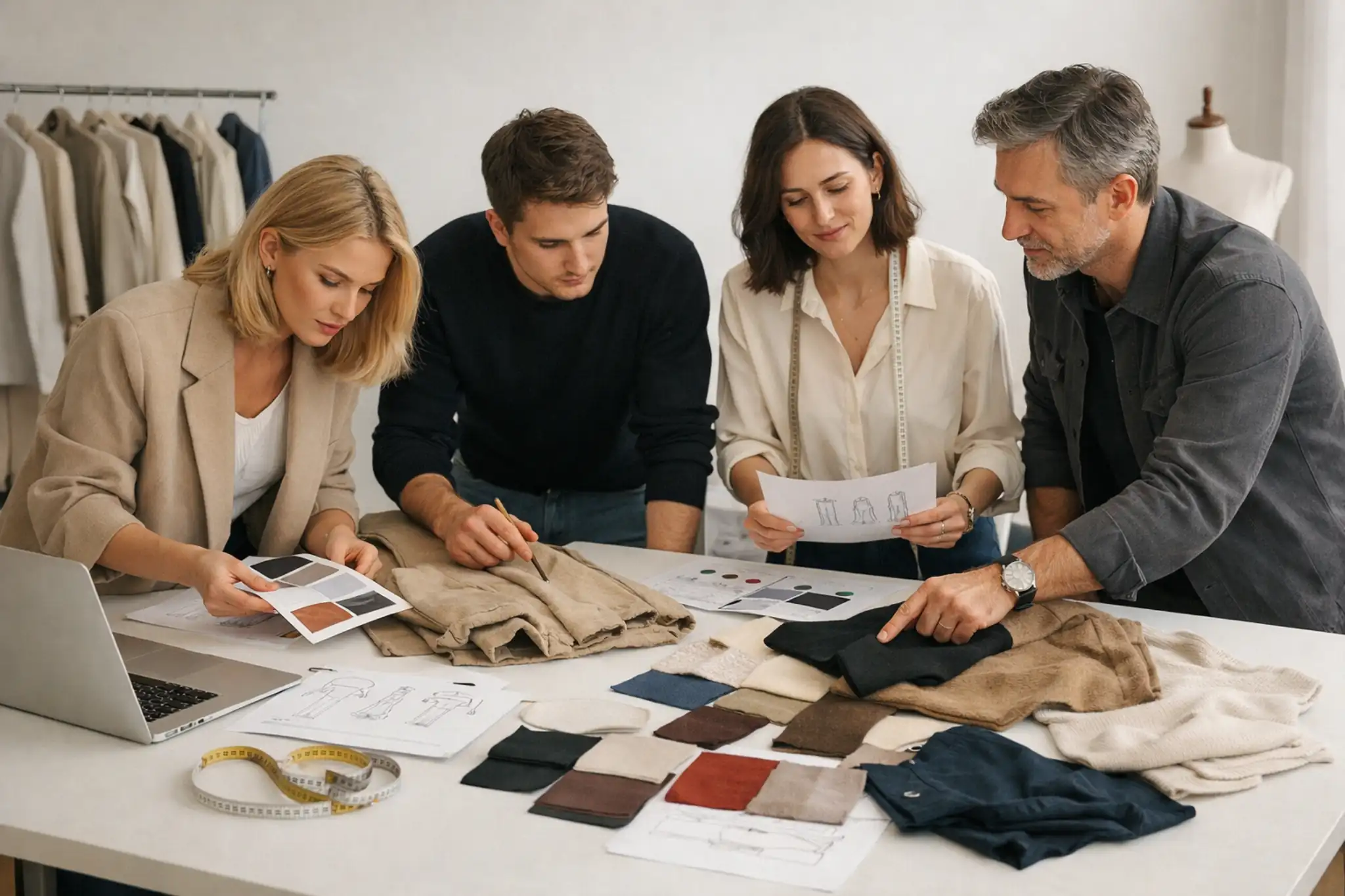
Apparel sourcing is not just about finding a factory. It involves selecting the right materials, understanding production capabilities, managing quality, and ensuring smooth communication from sampling to shipment.
This guide breaks down the sourcing process in a simple, practical way so you can avoid common mistakes and make better decisions.
What is Apparel Sourcing?
Apparel sourcing is the process of identifying, evaluating, and working with manufacturers to produce clothing.
It includes:
Fabric sourcing
Factory selection
Sampling
Production planning
Quality control
Shipping coordination
In short, sourcing connects your idea to a finished product.
Step 1: Define Your Product Clearly
Before contacting any manufacturer, you need clarity.
At minimum, you should have:
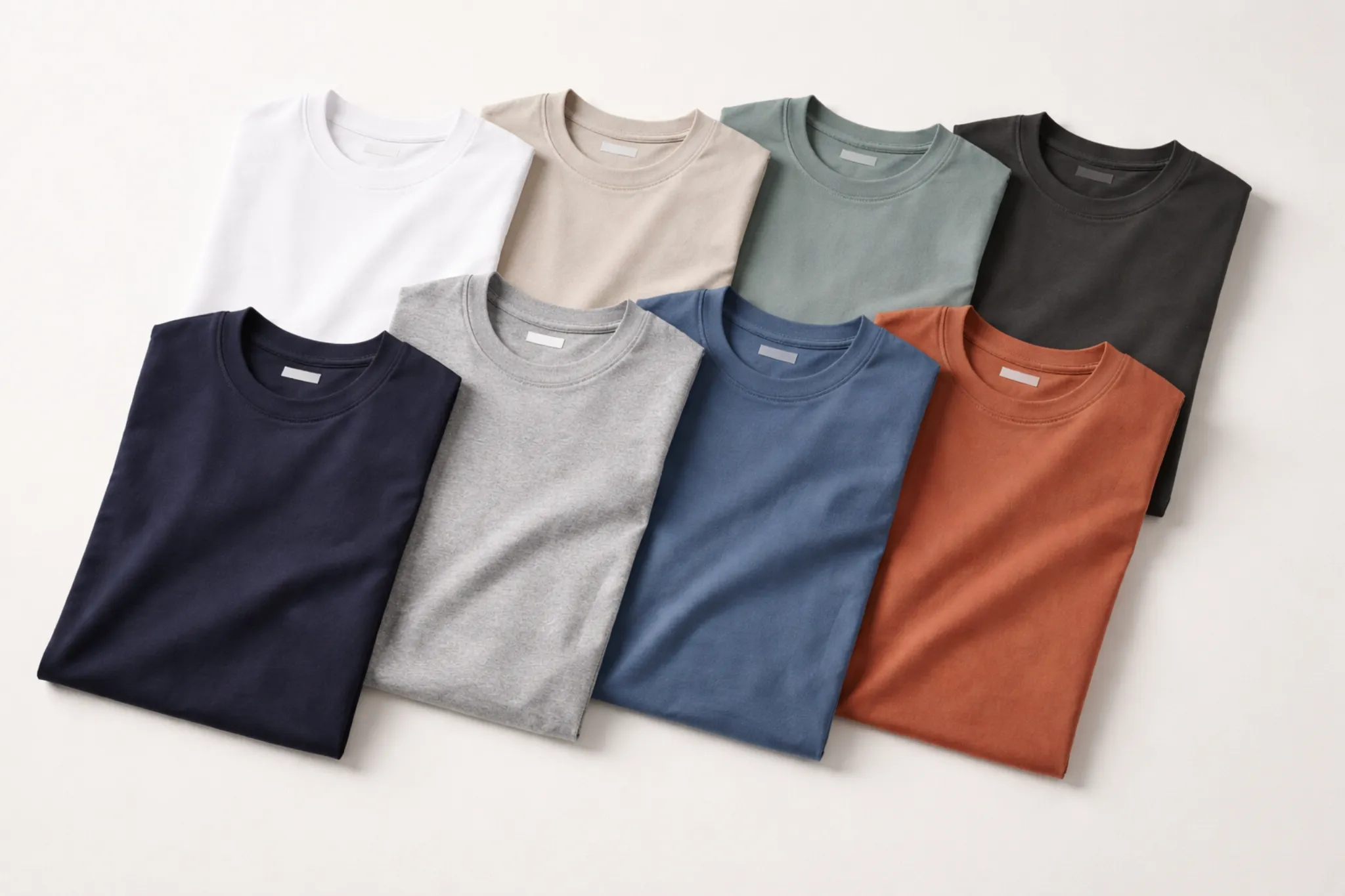
Product type (T-shirt, hoodie, kidswear, etc.)
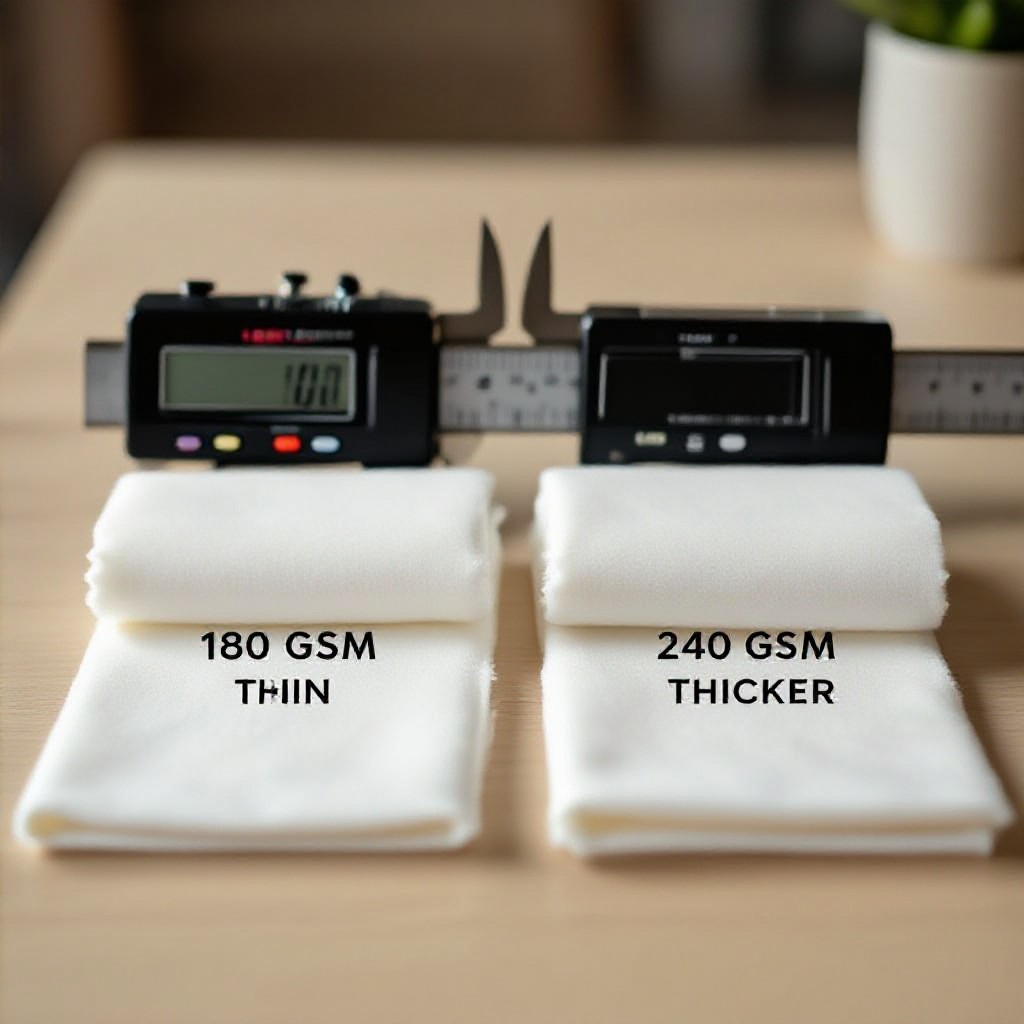
Fabric preference (cotton, blends, GSM range)
Fit (regular, oversized, relaxed)
Design references or sketches
Without this, manufacturers cannot give accurate pricing or timelines.
Step 2: Create a Tech Pack (Important)
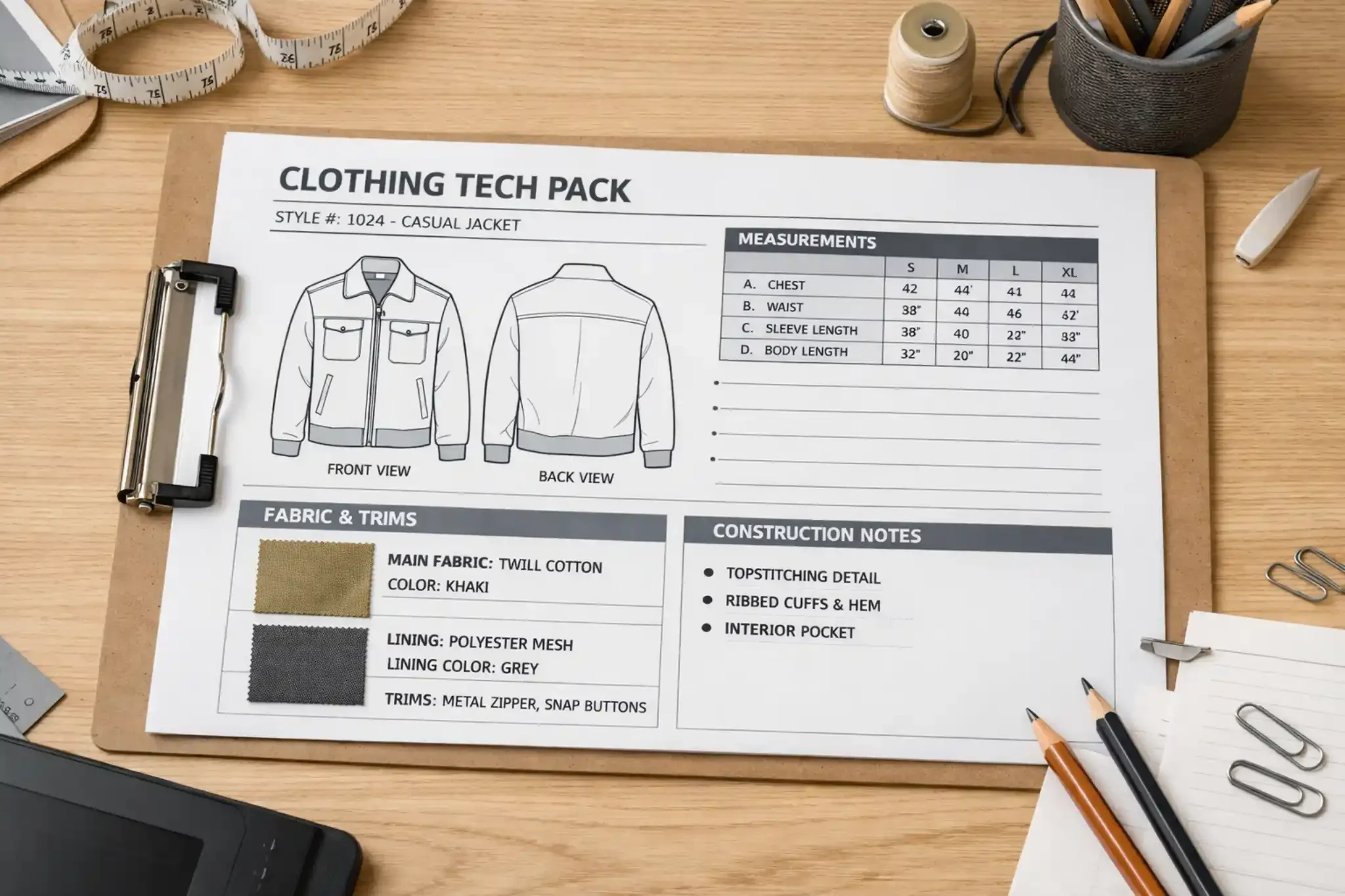
A tech pack is a document that explains your product in detail.
It usually includes:
Measurements
Fabric details
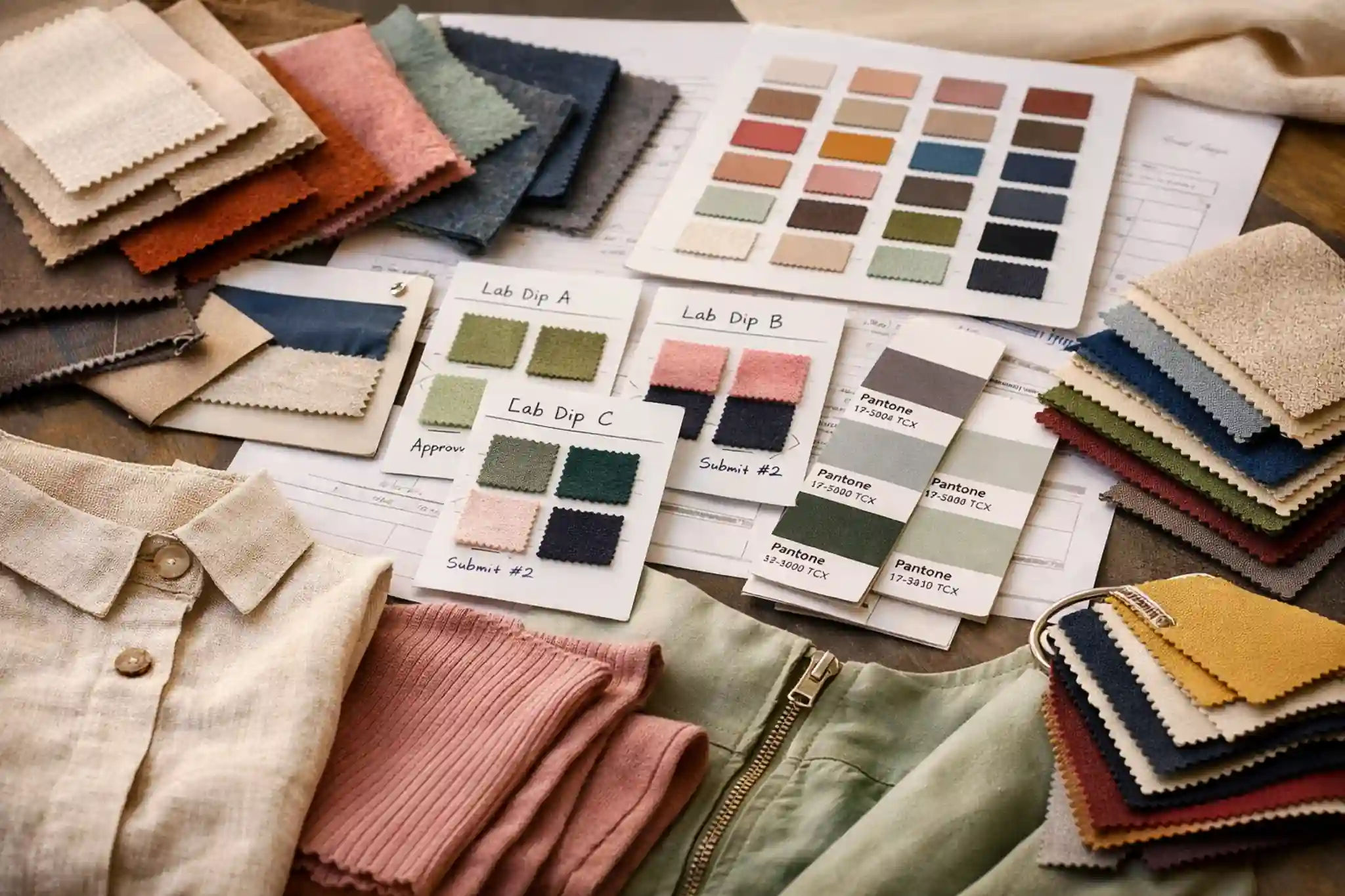
Color references
Print artwork
Label placement
Stitching details
Many beginners skip this step and face delays or poor results. A clear tech pack saves time and reduces errors.
Step 3: Find the Right Manufacturer
Not all factories are the same.
Some specialize in:
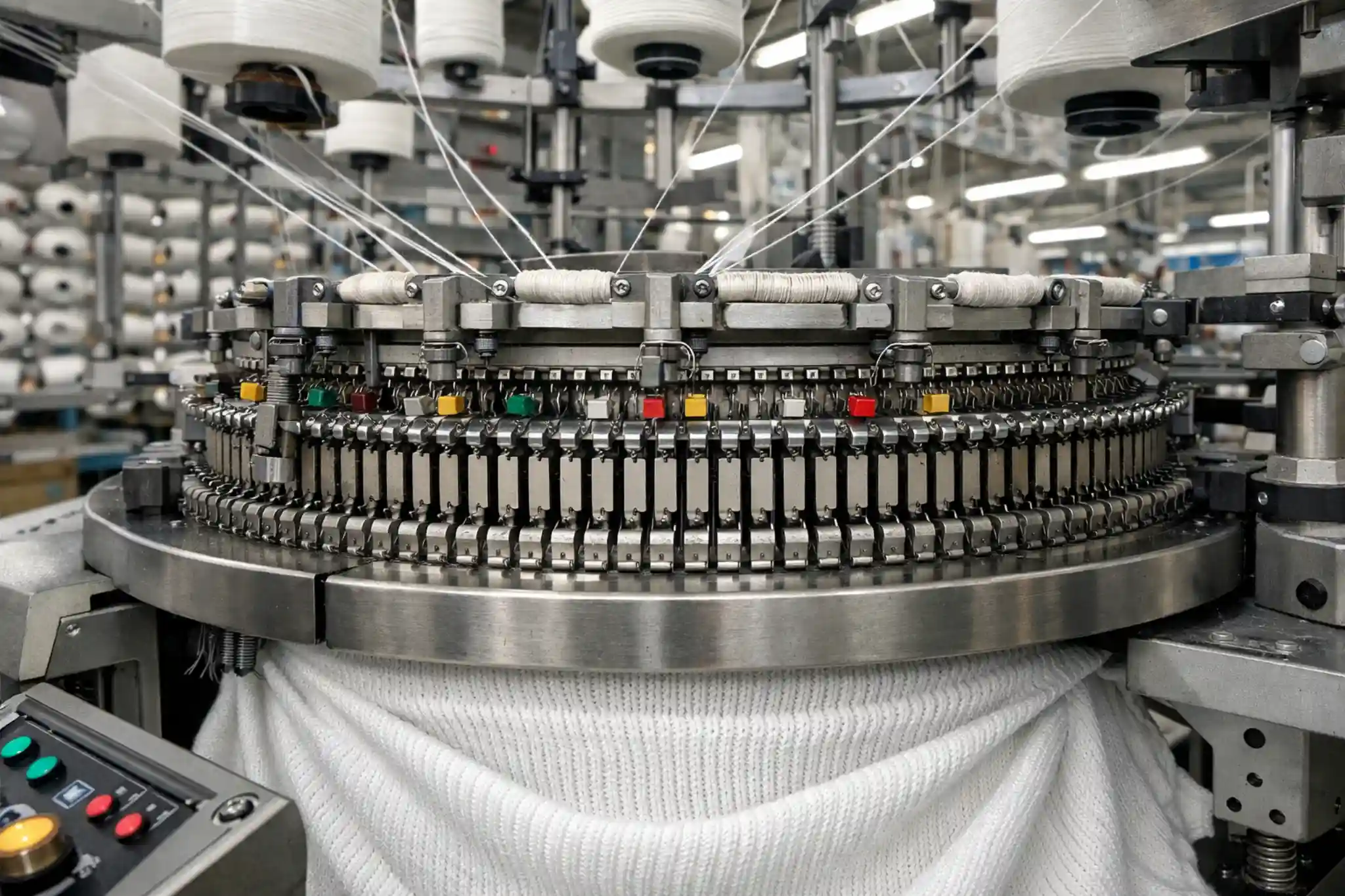
Knitwear (T-shirts, hoodies)
Woven garments (shirts, trousers)
Kidswear or babywear
High-fashion or streetwear
Choose based on:
Product specialization
Minimum order quantity (MOQ)
Quality level
Communication clarity
Step 4: Sampling Process
Sampling is where your idea becomes a physical product.
Typical stages:
Prototype sample
Fit corrections
Pre-production sample (PPS)
Sampling helps you:
Check fabric feel
Verify sizing
Approve print quality
Identify issues early
Step 5: Understand MOQ (Minimum Order Quantity)
MOQ depends mainly on fabric sourcing.
For example:
Dyeing mills require minimum fabric quantities
More colors = higher total requirement
Smaller brands may need to start with fewer styles
Understanding MOQ early helps you plan realistically.
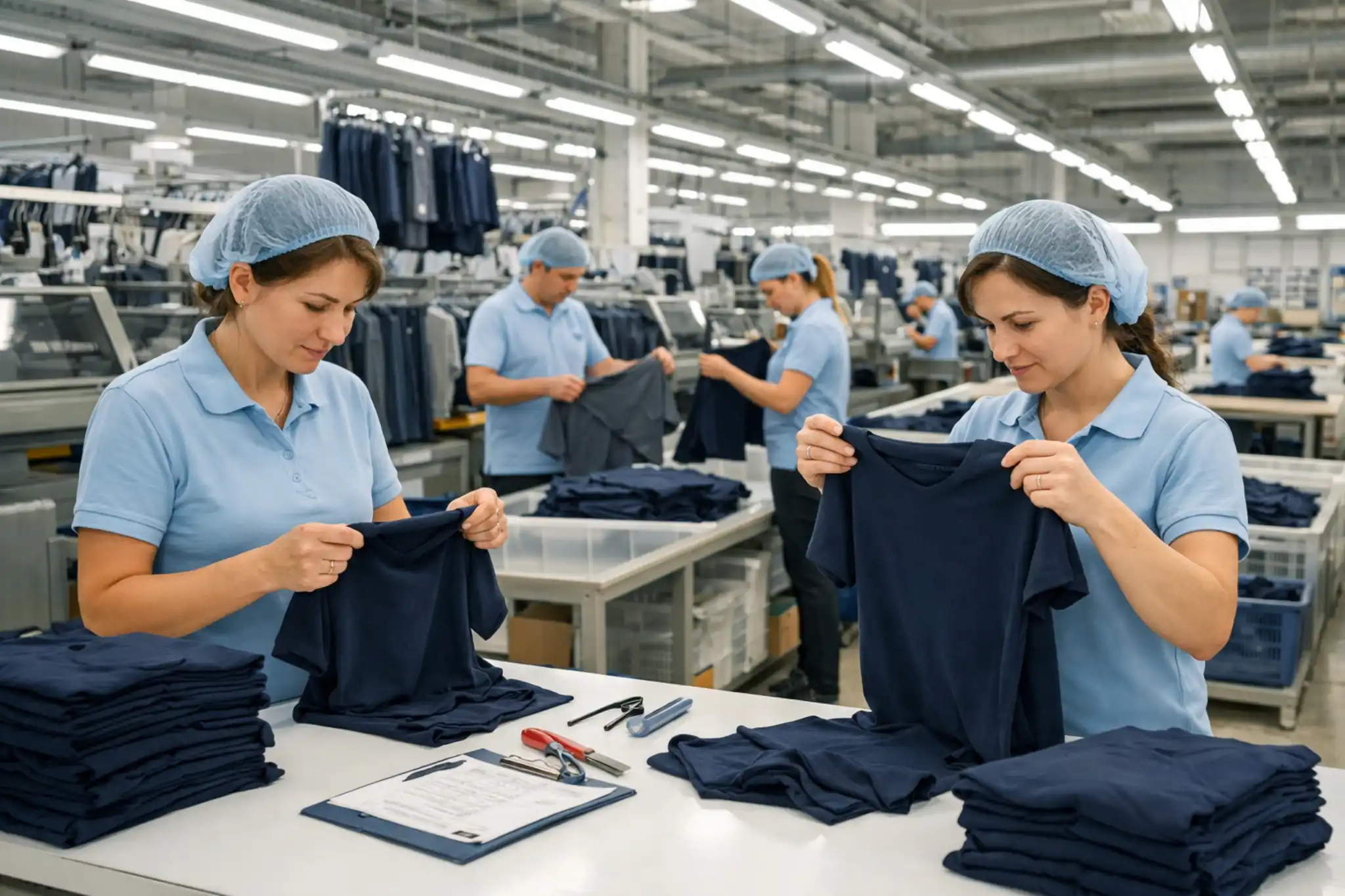
Step 6: Production & Quality Control
Once samples are approved, bulk production begins.
The more clarity you bring at the beginning, the smoother your production will be.
Whether you’re a startup or an established brand, understanding sourcing fundamentals helps you build better products and stronger supplier relationships.