Key Takeaways:
- You’d be surprised how many people think GSM is just about thickness-like picking toilet paper by ply. Nope. In real production, GSM (grams per square meter) is a make-or-break number that affects everything from how fabric cuts on the spreader to how the final tee feels on a customer’s back. Get it wrong, and you’re stuck with shirts that shrink weirdly, cost too much, or feel flimsy even if they look good on paper.
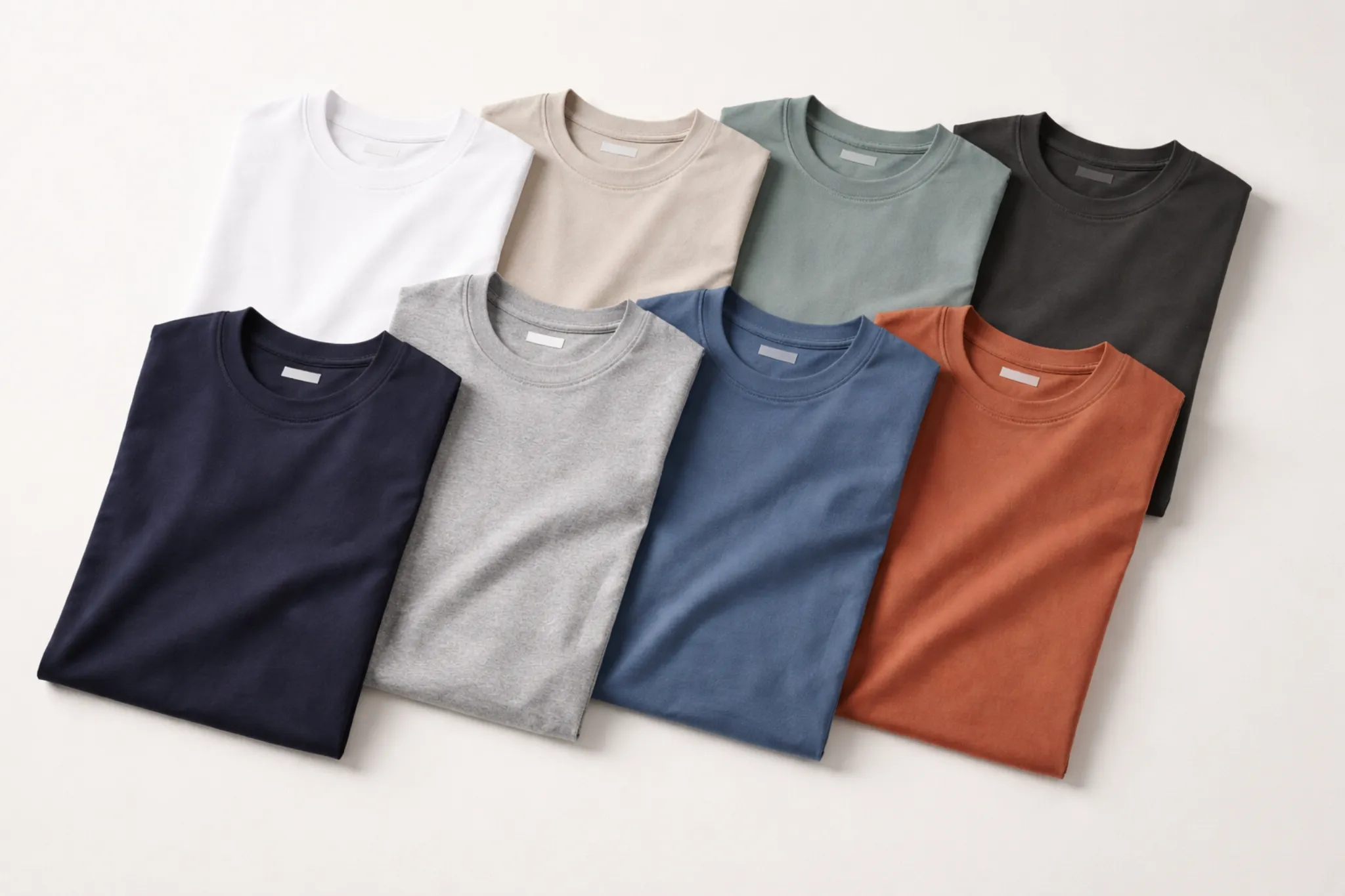
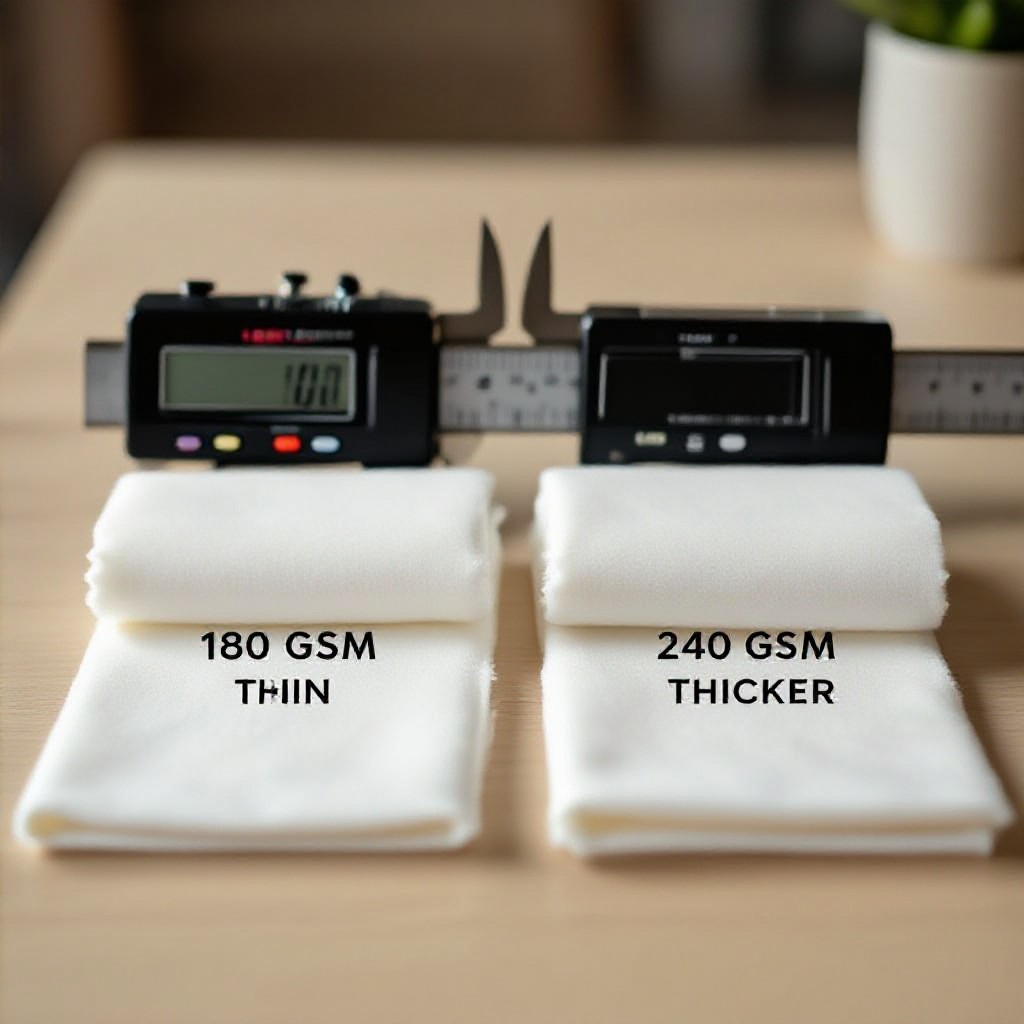
- 180 GSM? That’s your workhorse. Most standard cotton t-shirts made in bulk-think basic black, white, navy-run right around 180. It cuts fast, prints clean, and keeps costs down. Factories love it because it’s predictable. But here’s the catch: it’s light enough that if your spread isn’t tight or your blades aren’t sharp, the fabric curls at the edges during cutting. Wasted panels. Slower production. And don’t even get me started if you’re printing-thin fabric can ghost or bleed if the ink isn’t dialed in.
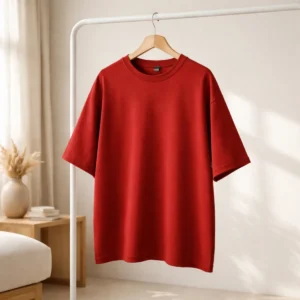
- 240 GSM is where things get serious-premium feel, heavier hand, the kind of tee people call “buttery.” Great for oversized fits or streetwear brands charging $50+. But heavier doesn’t mean better. This stuff fights back. It shrinks more if you don’t compact it properly after dyeing. It needs wider seam allowances. And dyeing minimums? Yeah, mills often want 500-1000 kg minimum for 240 GSM, which kills small runs. Plus, not every factory can handle it on their machines-some older cutters jam under the thickness.
- So yeah, GSM isn’t just a number on a spec sheet. It’s a production decision. Pick 180 for speed and scale. Go 240 if you’ve got the budget, the order size, and a factory that knows how to handle the weight. And always-always-check fabric availability before locking in your BOM. Nothing worse than designing around 240 GSM only to find your supplier’s out for six weeks.
Wait, what’s GSM in fabric actually all about?
Ever held two t-shirts and wondered why one feels so much sturdier than the other? That’s where GSM comes in. GSM-grams per square meter-measures how heavy a fabric is, which directly affects how it drapes, wears, and even cuts on the production floor. It’s not just about thickness; it’s a direct signal of how the garment will behave from sewing to shelf.
Breaking down the different types of fabric weight
Fabric weight isn’t just about feel-it shapes the entire production process.
- 180 GSM is standard for everyday t-shirts in large runs
- 240 GSM delivers a heavier, premium hand feel-ideal for oversized fits
- Lower GSM fabrics like 180 can curl at the edges during cutting, slowing down the line
- Higher GSM materials need proper compaction to avoid shrinkage post-wash
- Choosing between them often comes down to dyeing minimums and mill availability
Recognizing these realities keeps production smooth and waste low.
| Fabric Weight | Production Impact |
|---|---|
| 180 GSM | Fast cutting, lower fabric cost, common in bulk basics |
| 240 GSM | Slower sewing, higher thread consumption, premium positioning |
| Low GSM (e.g. 150-180) | Risk of edge curling-requires precise knife pressure |
| High GSM (e.g. 220-260) | Needs compaction pre-cutting to control shrinkage |
| Choice based on GSM | Often limited by dye lot minimums and mill stock |
The real deal on how we measure the stuff
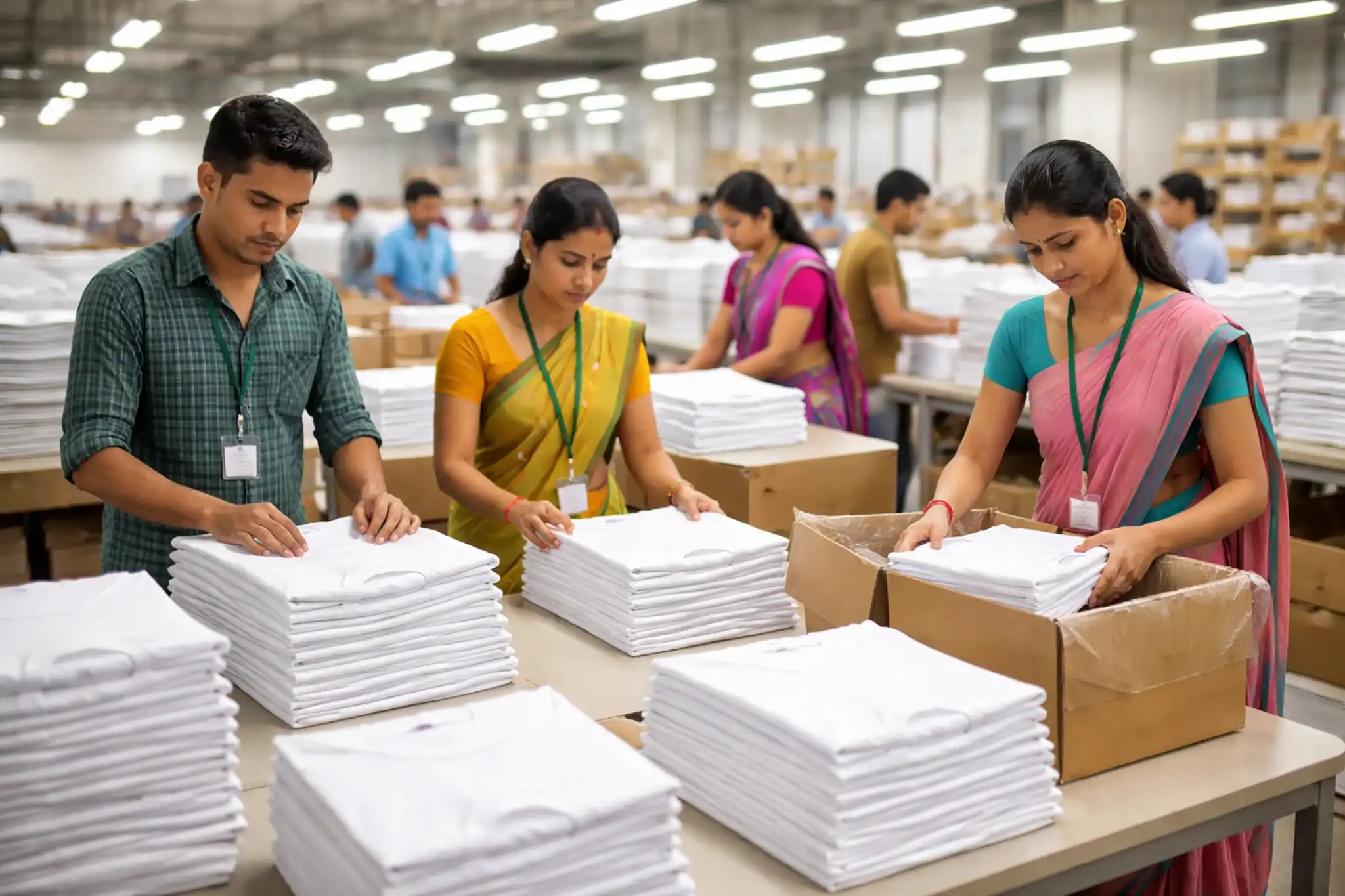
Factories don’t guess GSM-they test it. A hole is punched in the fabric, and a small circular sample is weighed on a precision scale. This number gets multiplied to reflect grams per square meter. It sounds simple, but one wrong cut or uncalibrated scale throws everything off. Accuracy here means fewer surprises after washing or packing.
Most cutters see GSM as just a number on the spec sheet-until a roll comes in slightly under and starts curling at the edges. Then it’s a scramble to adjust machine tension or risk wasted panels. Even a 10 GSM difference can shift how fabric feeds through a sewing head. And when you’re running 5,000 units, that kind of variance eats into margins fast. Consistency isn’t optional-it’s built into every stage, from fabric sourcing to final inspection.
The big showdown: 180 vs 240 GSM for t-shirts
On the production floor, the choice between 180 and 240 GSM isn’t just about weight-it’s about purpose. Factories pushing out thousands of standard tees lean on 180 GSM for speed and cost efficiency. But when brands want that premium drape and structure, especially in oversized fits, 240 GSM steps in-despite needing extra care during compaction to avoid shrinkage surprises down the line.
Pros and cons of that classic 180 GSM feel
Most basic tees on retail shelves? They’re likely 180 GSM-and for good reason. It cuts fast, prints cleanly, and keeps production humming. But that lightness comes with trade-offs, especially when the fabric starts to curl at the edges during cutting, slowing things down.
| Aspect | Detail |
|---|---|
| Production Speed | Faster cutting and sewing due to lighter, more manageable fabric |
| Cost Efficiency | Lower material cost and higher yardage per kg reduces overall spend |
| Cutting Behavior | Lighter weight can cause edge curling, leading to alignment issues |
| Shrinkage Control | Less dense fabric-easier to stabilize with standard pre-shrinking |
| Dyeing Minimums | Often aligns with standard dye lot sizes, reducing waste |
| Garment Drape | Softer fall, but may feel flimsy in larger sizes |
| Print Quality | Excellent for screen printing-stable under tension |
| End-Use Suitability | Ideal for promotional tees, basics, and high-volume runs |
| Fabric Availability | Widely stocked-fewer delays sourcing standard weights |
| Weight Perception | Some consumers see it as “cheap” compared to heavier options |
Why 240 GSM is the heavyweight champ for a reason
Brands investing in premium streetwear often go straight to 240 GSM. The fabric feels substantial from the first touch, holds its shape in oversized cuts, and gives a clean, structured silhouette that lighter tees can’t match-making it a favorite for high-margin collections.
Heavy fabric means heavy responsibility on the factory floor. 240 GSM needs proper compaction rolling after dyeing-skip this, and shrinkage hits hard post-wash, wrecking fit consistency. But when done right, the fabric lays flat, cuts true, and delivers that luxury hand-feel customers are willing to pay extra for. It’s not just heavier-it’s built to impress. And in competitive markets, that weight difference shows up not just on the scale, but on the shelf.

So, which GSM should you choose for your brand?
Choosing between 180 and 240 GSM comes down to your brand’s look, feel, and production needs. Fabric Weight (GSM) in Activewear: Finding the Right … explains how weight impacts drape and durability. Brands going for everyday basics often stick with 180 GSM-it’s lighter, cheaper, and easier to source in bulk. But if you’re aiming for a premium or oversized fit, 240 GSM gives that heavy, structured feel customers associate with quality. Any decision should factor in fabric shrinkage, cutting behavior, and minimum dyeing runs.
Pro tips for picking the perfect weight every time
- 180 GSM fabrics are faster to produce but may curl at the edges during cutting-keep tension tight on the spreader
- 240 GSM needs pre-compaction to avoid shrinkage issues post-wash, especially in cotton-rich blends
- Always check dyehouse minimums-heavier fabrics often require larger dye lots, affecting small batch flexibility
- Consider cutting room waste; thicker fabrics leave bigger gaps on the lay, increasing fabric consumption
Any choice should align with both your brand vision and factory capabilities.
Honestly, here’s how to choose for your climate
Hot and humid markets lean toward 180 GSM-it breathes better and feels lighter on the skin. Cold or temperate zones? 240 GSM holds warmth and layers well under jackets.
Think about real-world wear: in东南亚 or Miami, a 240 GSM tee might feel stuffy and overheat the wearer-retailers there often reject heavy basics outright. But in Berlin or San Francisco, that same weight feels cozy, not oppressive. Factories in high-humidity regions also report more stretching with lighter knits during sewing-moisture affects 180 GSM more on the production floor. Any brand ignoring climate isn’t just risking comfort-they’re risking returns and wasted production runs.

Let’s get practical: A step-by-step guide
Running a small batch and need to pick the right fabric weight? It happens all the time on the factory floor. Knowing the difference between 180 and 240 GSM isn’t just about feel-it affects how the fabric behaves during cutting, sewing, and washing.
| 180 GSM | Standard for basic tees, cuts fast but can curl at edges if not handled right |
| 240 GSM | Used for premium or oversized fits-needs compaction to avoid shrinkage issues |
A simple step-by-step way to check your samples
Want to avoid costly mistakes before bulk production? Start by labeling each fabric sample clearly.
| Step 1 | Cut a 10×10 cm swatch from your roll |
| Step 2 | Weigh it precisely-use a digital scale |
| Step 3 | Multiply weight by 100 to get GSM |
| Step 4 | Compare to supplier specs-even a 10-point GSM gap can change fit |
What I’ve learned about testing fabric at home
Testing fabric at home isn’t perfect, but it works in a pinch. Most small brands don’t have lab tools, so they improvise.
A 240 GSM fabric that hasn’t been compacted can shrink over 8%-enough to ruin a sleeve length.
One factory in Bangladesh taught me this trick: hang your test swatch after washing it. See how it droops? That’s your clue. 180 GSM tends to stretch out faster, especially in the shoulders. 240 GSM holds shape better-but only if the knitting and heat setting were done right. Dyeing minimums often force smaller brands to accept whatever GSM is available in stock… which means testing becomes non-negotiable. Never skip it.

The honest truth about factory realities
Factories don’t always use the GSM you ask for-they use what’s available. A brand might request 240 GSM, but if the mill has 230 or 250 in stock, that’s what gets cut… and often without a heads-up. Fabric GSM & weight | A guide to GSM meaning – with chart helps decode these gaps between spec and reality.
Common mistakes when selecting GSM that’ll ruin a design
Choosing 240 GSM for a slim-fit tee without testing drape can backfire-it may look boxy and stiff. Designers often overlook how heavier fabric changes silhouette. And going with 180 GSM for oversized styles? Risky-light fabric can cling or feel cheap. Always match GSM to cut, not just feel.
Factory reality in GSM selection that no one mentions
Most factories prioritize dyeing minimums over your ideal GSM. If you order small quantities, you’re stuck with what’s already in the dye lot. No exceptions. Even premium brands adjust specs last minute just to keep production moving.
It’s not about perfection-it’s about momentum. When a factory floor is running 10 styles at once, switching fabric rolls for exact GSM means downtime, and downtime kills margins. So they’ll sub in a similar weight-say, 220 instead of 240-and hope nobody notices. Brands that insist on strict GSM without flexibility often face delays or inflated costs… and still get slight variances anyway. That’s just how it works.
Summing up
To wrap up, some think heavier fabric always means better quality-but that’s not how it works on the production floor. 180 GSM is the go-to for standard t-shirts in bulk runs-light, cost-effective, and easy to print on. But it can curl at the edges during cutting, slowing things down. 240 GSM? That’s for premium or oversized fits-thicker, more structured, but it needs proper compaction to avoid shrinkage after washing. And here’s the real talk: your GSM choice often comes down to what’s in stock and whether you can meet dyeing minimums. So yeah, it’s not just about feel-it’s about logistics, cost, and what the factory can actually run without headaches.
FAQ
Q: What does GSM actually mean when we’re talking about fabric for t-shirts?
A: GSM stands for grams per square meter – it’s how much a one-meter-by-one-meter piece of fabric weighs. In the factory, we don’t care about fancy definitions… we care about how it feels in the hand, how it cuts, how it sews, and how it holds up after washing. A 180 GSM fabric is light, almost floaty – think of your basic promo tee from a concert or event. 240 GSM? That’s thick. Like, “this shirt has presence” thick. You pick it up and it feels substantial, almost like a light sweatshirt. But here’s the kicker – two fabrics can have the same GSM and feel totally different, depending on the knit, yarn quality, and finishing.
And yeah, we check GSM on every fabric roll that comes in. Not just to confirm the spec – but because it directly affects how much each shirt weighs, which matters for shipping costs and customer expectations.
Q: Why do most standard t-shirts use 180 GSM instead of something heavier?
A: Because 180 GSM is cheap, easy to produce, and ships light. Factories in Bangladesh, Vietnam, India – they’re cranking out millions of these every month for fast fashion brands and promotional runs. It cuts fast, sews fast, packs flat, and uses less cotton. Less cotton = lower material cost. Simple math.
But here’s the reality nobody talks about – 180 GSM can be a pain to cut. The fabric’s so light it curls at the edges, especially on hot days. We have to slow down the spreader, use more pins, sometimes even add a light spray of anti-static to keep the layers from clinging. And if the compaction isn’t right after dyeing? Shrinkage goes wild – like 8-10%. That’s a disaster when you’re cutting thousands of meters.
– That’s why we always run a shrink test before bulk cutting.
Q: Is 240 GSM always better than 180 GSM?
A: Not if you’re trying to sell a $12 t-shirt online. 240 GSM is heavy, premium, and costs way more. You’re using 30% more cotton, which means higher fabric cost, heavier shipping, and slower production. But for a high-end streetwear brand charging $60 for an oversized tee? Absolutely worth it.
The fabric feels luxurious. It hangs better. It doesn’t cling. And when the customer gets it, they think, “Damn, this thing feels expensive.” But – and this is a big but – you can’t just swap in 240 GSM like it’s no big deal. The sewing machines need adjustment. Needles have to be thicker. The feed dogs struggle if the tension’s off. And if the fabric hasn’t been properly compacted? Good luck keeping the necklines stable.
It’s not just weight – it’s how the whole production line adapts.
Q: How does GSM affect shrinkage, and why does that matter in real production?
A: Higher GSM fabrics, especially ringspun cotton ones, hold more tension from knitting and dyeing. If you don’t relax that tension with proper compaction, the fabric will shrink like crazy after washing – we’re talking 7% or more. That’s a nightmare when you’ve already cut and sewn 5,000 pieces.
With 180 GSM, the fabric is lighter, so it’s more forgiving – but still risky if it’s a cheap open-width knit. We’ve had rolls come in with inconsistent GSM across the width… one side 175, the other 185. That means uneven shrinkage, twisted panels, and a whole batch of shirts going sideways.
So we always do a pre-production wash test – small batch, same process as bulk – just to see how the fabric behaves. Skip that step? You’re gambling with your delivery date.
Q: Can I just choose any GSM I want for my brand, or are there real-world limits?
A: Try telling that to the mill. Most factories won’t dye less than 300-500 kg per color. Want a custom 210 GSM black fabric for your capsule collection? Great – but you’re paying for 400 kg whether you use it all or not. That’s thousands of dollars tied up in fabric nobody’s asked for.
That’s why most brands stick to standard weights – 180, 200, 220, 240 GSM – because the mills already have the yarn and setup ready. It’s faster, cheaper, and less risky. And if you’re doing a small run? 180 GSM is your safest bet. It’s everywhere. You can find it in white, black, heather – no minimum drama.
Sometimes the best design decision isn’t creative… it’s logistical.