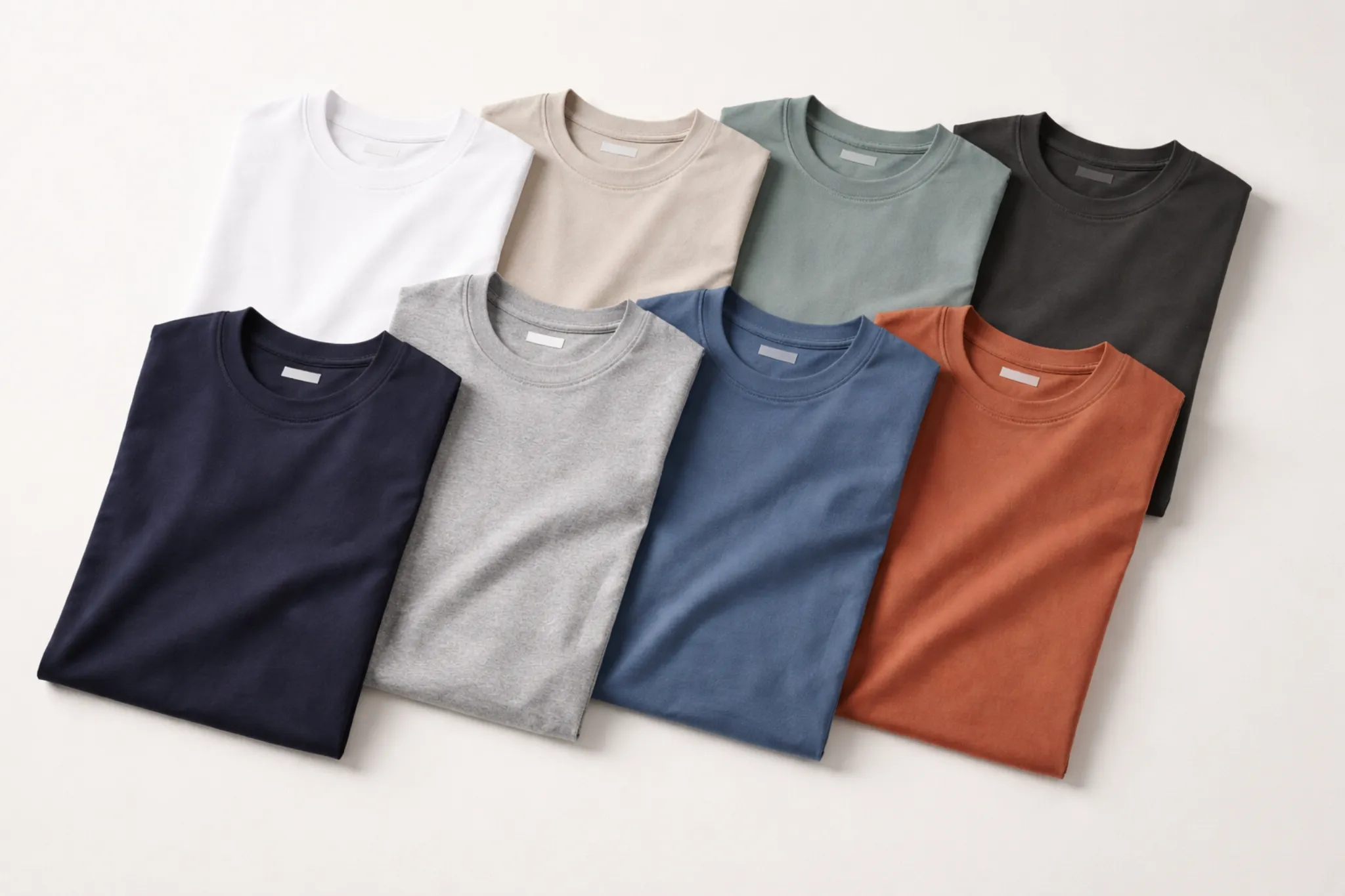
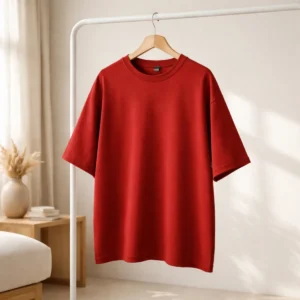
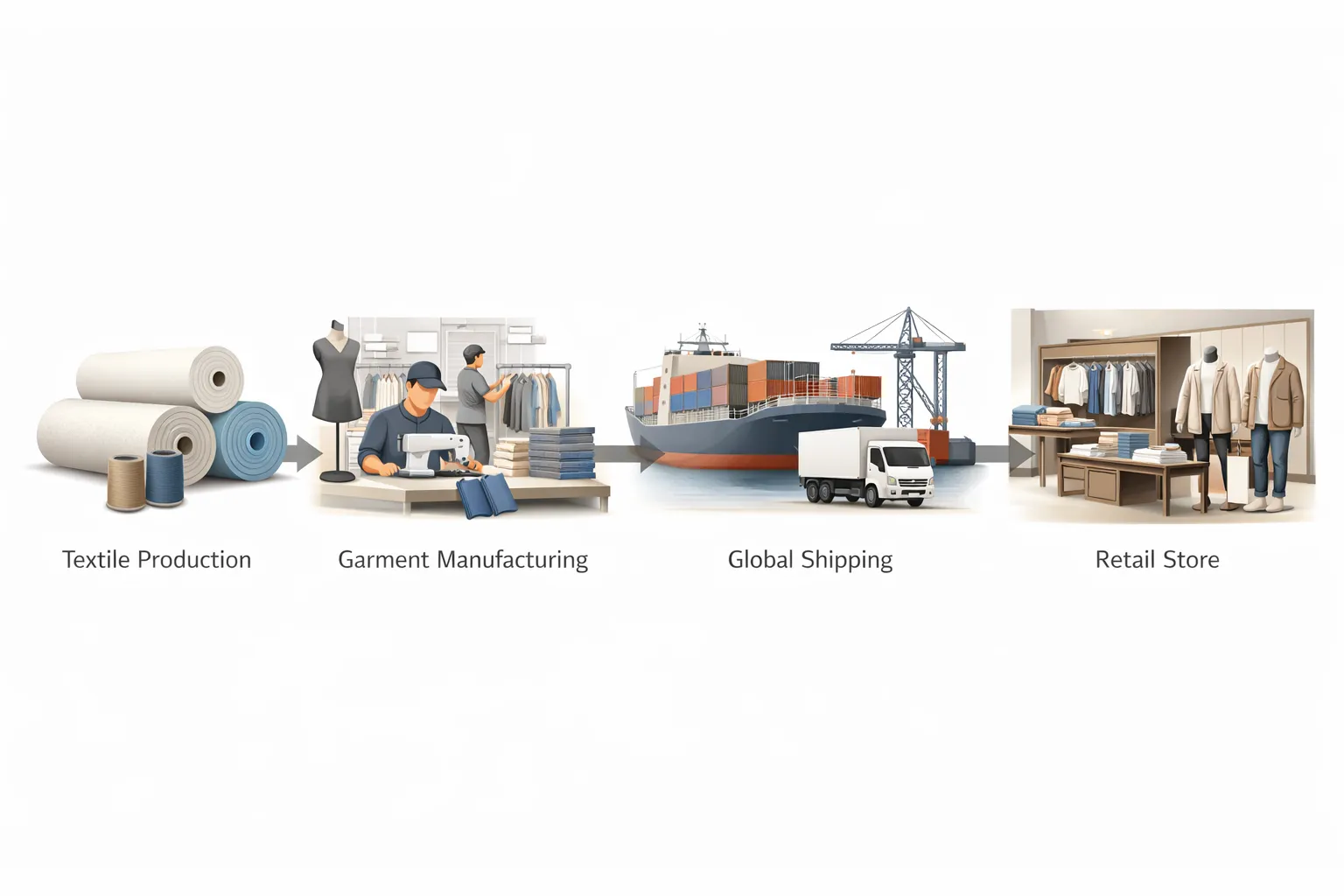
When a customer picks up a T-shirt in a store or adds it to a cart online, they are seeing the final stage of a much longer journey.
Behind that single product is a chain of decisions, processes, and coordination that begins months earlier. The apparel industry operates through a structured flow that connects design, sourcing, garment production, logistics, and retail distribution.
Understanding how clothing moves from factory to market is not just useful for brands. It also explains why delays happen, why prices vary, and why production decisions matter.
From Idea to Product: Where It All Begins
Every garment starts with a concept. This stage is often shaped by seasonal trends, customer demand, and pricing targets. Brands decide what they want to create, who they are selling to, and how the product should feel and fit.
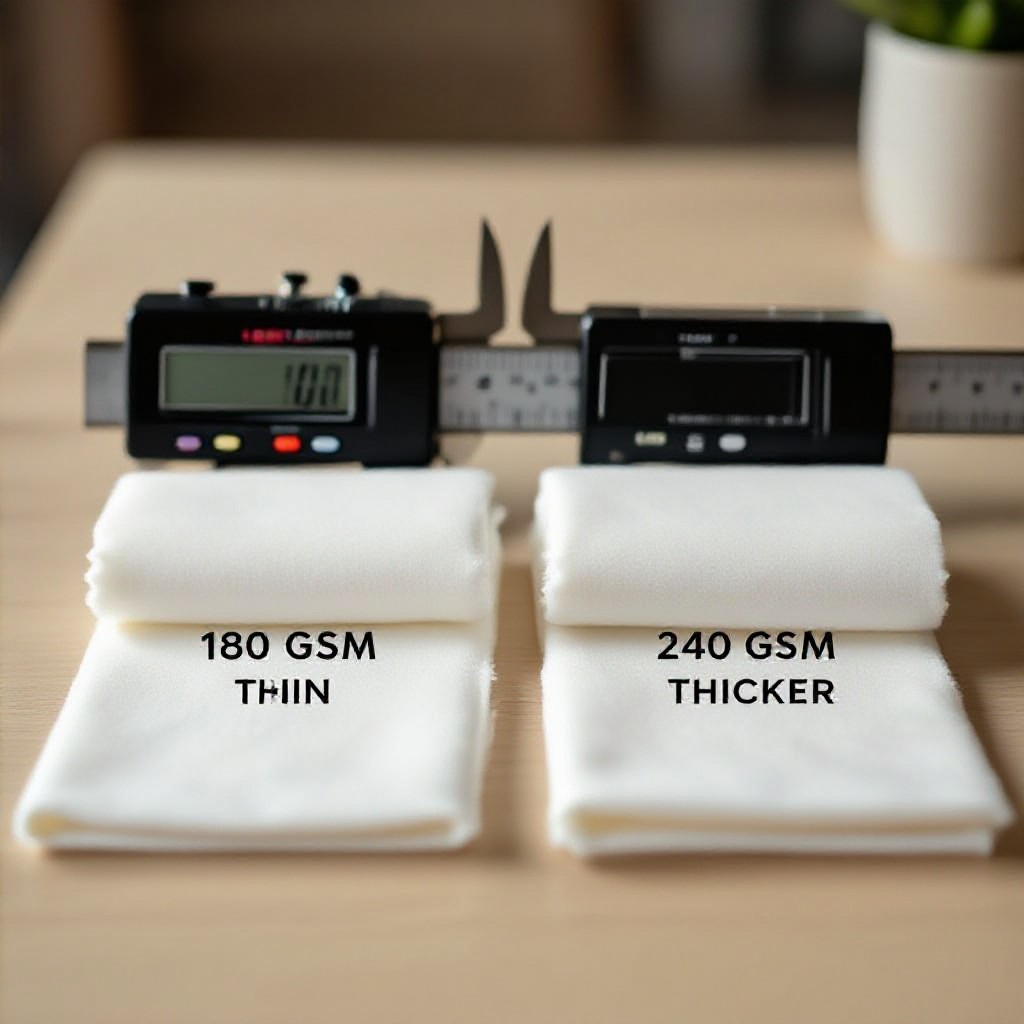
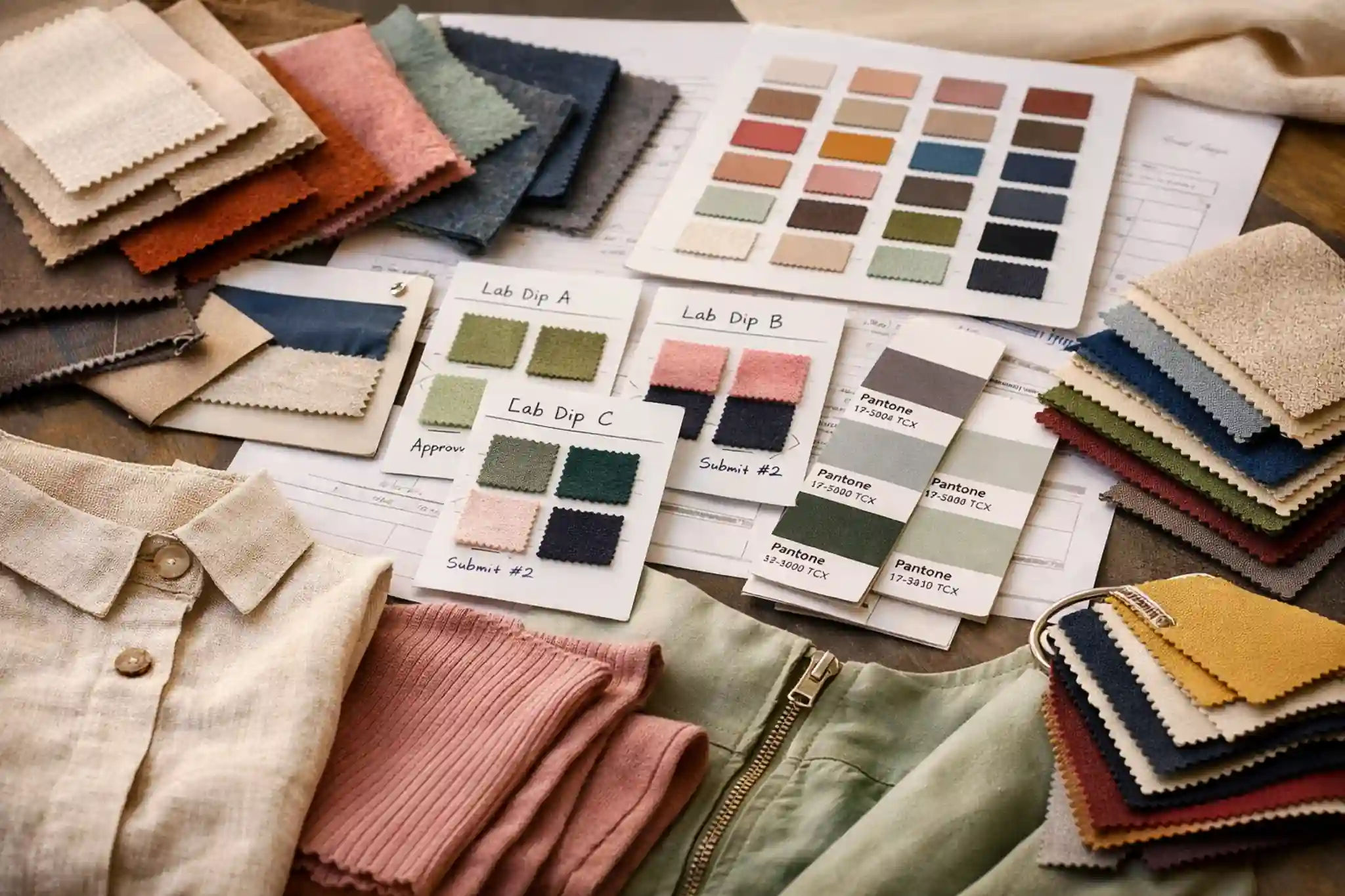
Fabric selection plays a central role here. A basic cotton T-shirt, a heavy GSM streetwear piece, and a soft kidswear garment all require different materials, even if they appear similar on the surface.
At this stage, the goal is not production. It is clarity. Without clear direction, the next stages become inefficient and expensive.
Sourcing and Manufacturer Selection
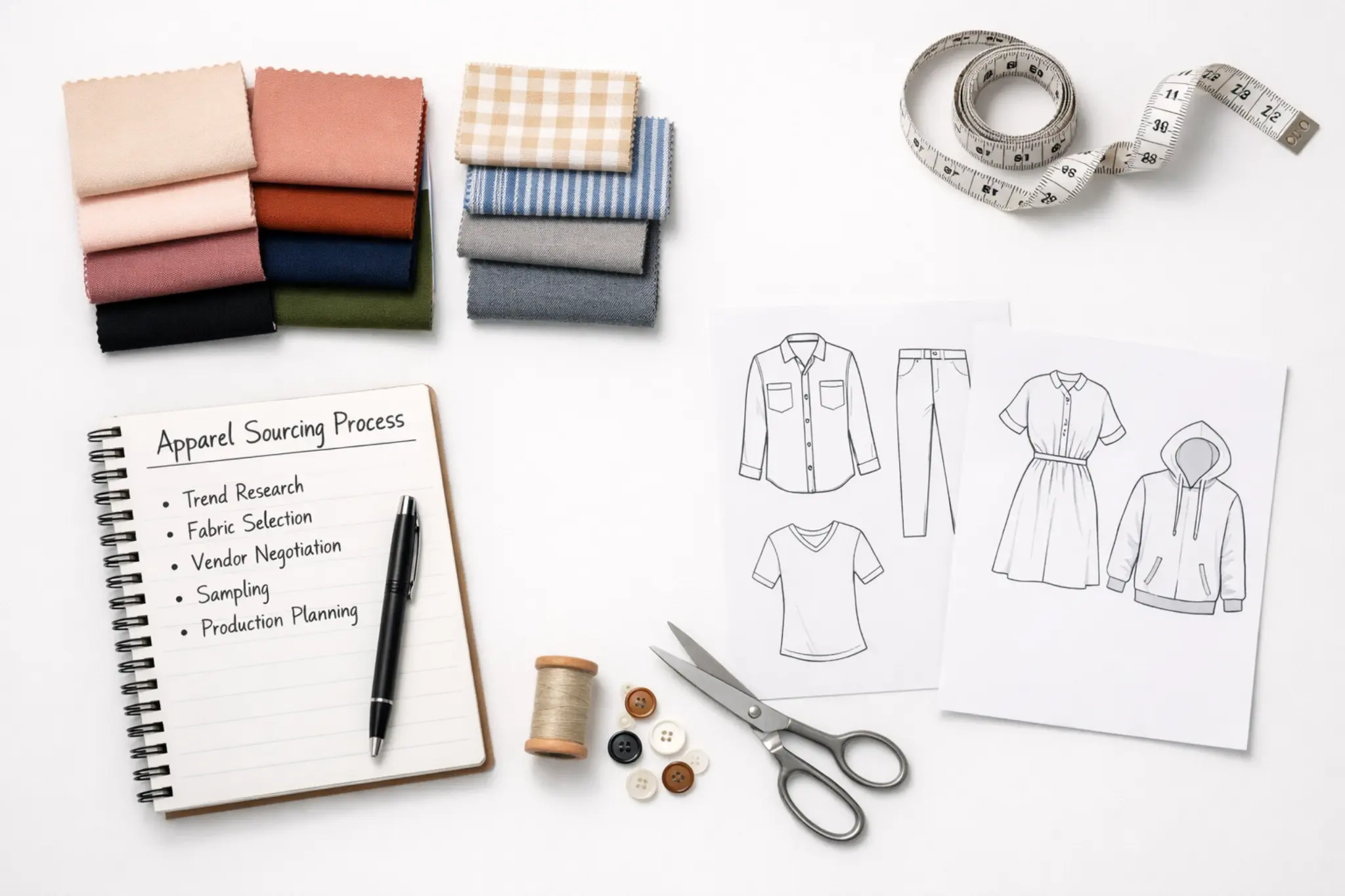
Once the product is defined, brands move into apparel sourcing. This is where the idea begins to take shape in the real world.
Sourcing involves selecting the right clothing manufacturer based on product type, quality expectations, and order quantity. Not every factory is suitable for every product. Some specialize in knitwear like T-shirts and hoodies, while others focus on woven garments or structured apparel.
At the same time, fabrics and trims are finalized. Sampling begins, and the product is tested for fit, finish, and consistency.
This stage often determines the success of the entire production cycle. Poor sourcing decisions lead to delays, quality issues, and cost overruns.

Garment Production: Turning Fabric into Product
Once samples are approved, garment production begins.
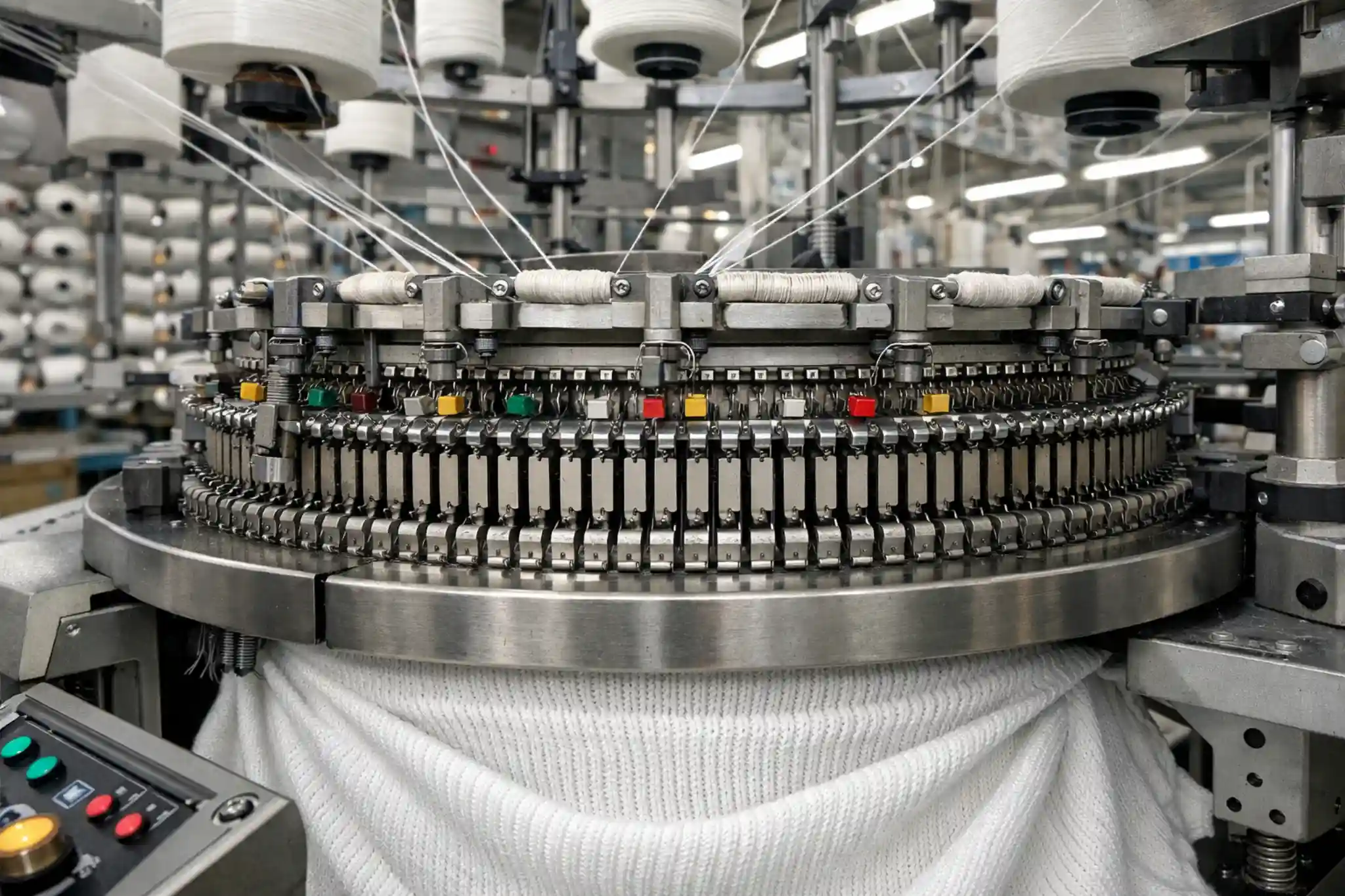
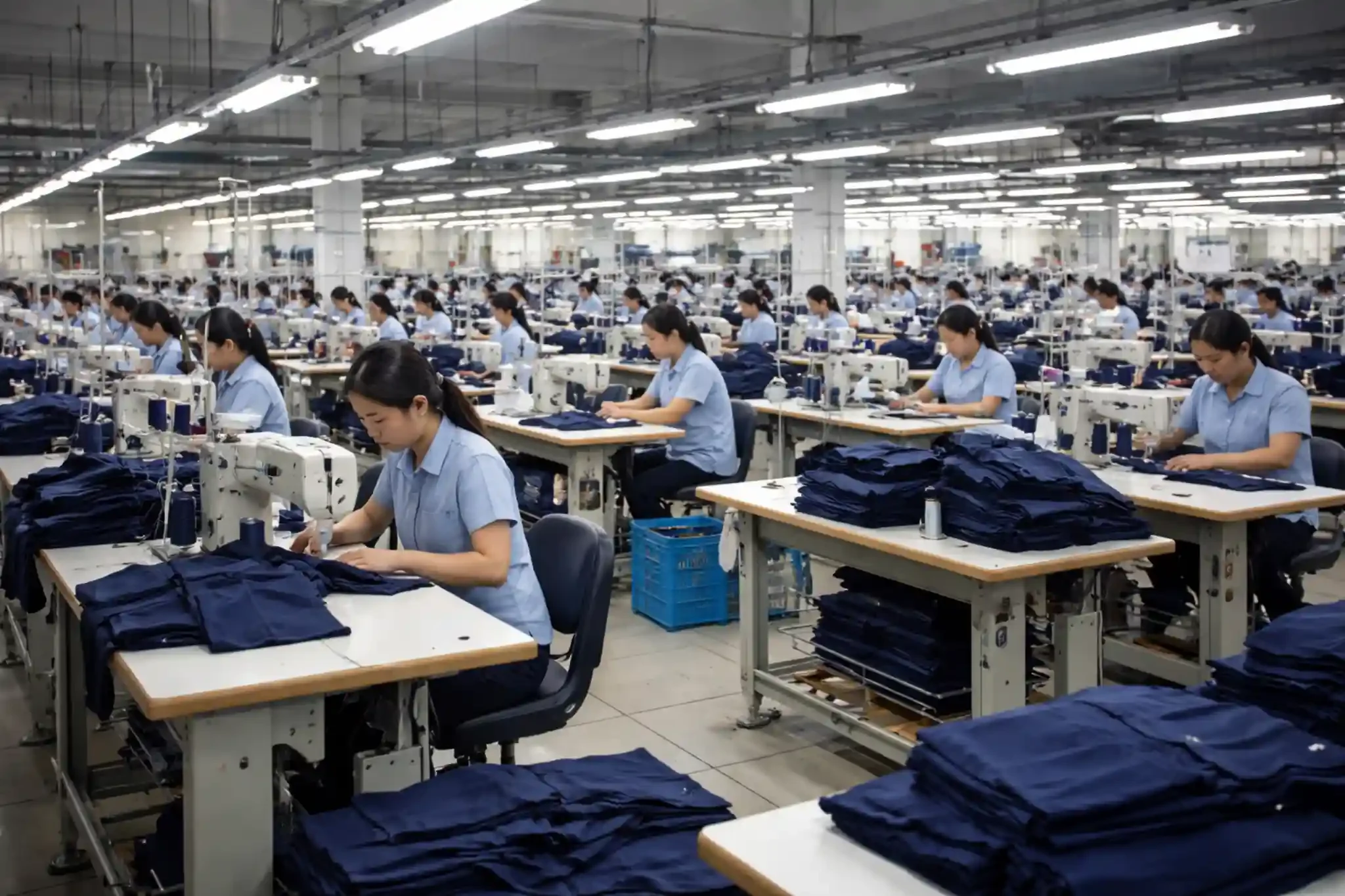
Fabric is processed first, whether that involves knitting, dyeing, or finishing. It is then cut into panels based on approved patterns. These panels move through a stitching line where each part of the garment is assembled step by step.
Printing, embroidery, or other design elements are added during or after stitching depending on the requirement.
Production is not a single action. It is a coordinated system where multiple teams work simultaneously. Even a simple T-shirt goes through several controlled steps before it is considered complete.
Quality Control and Consistency
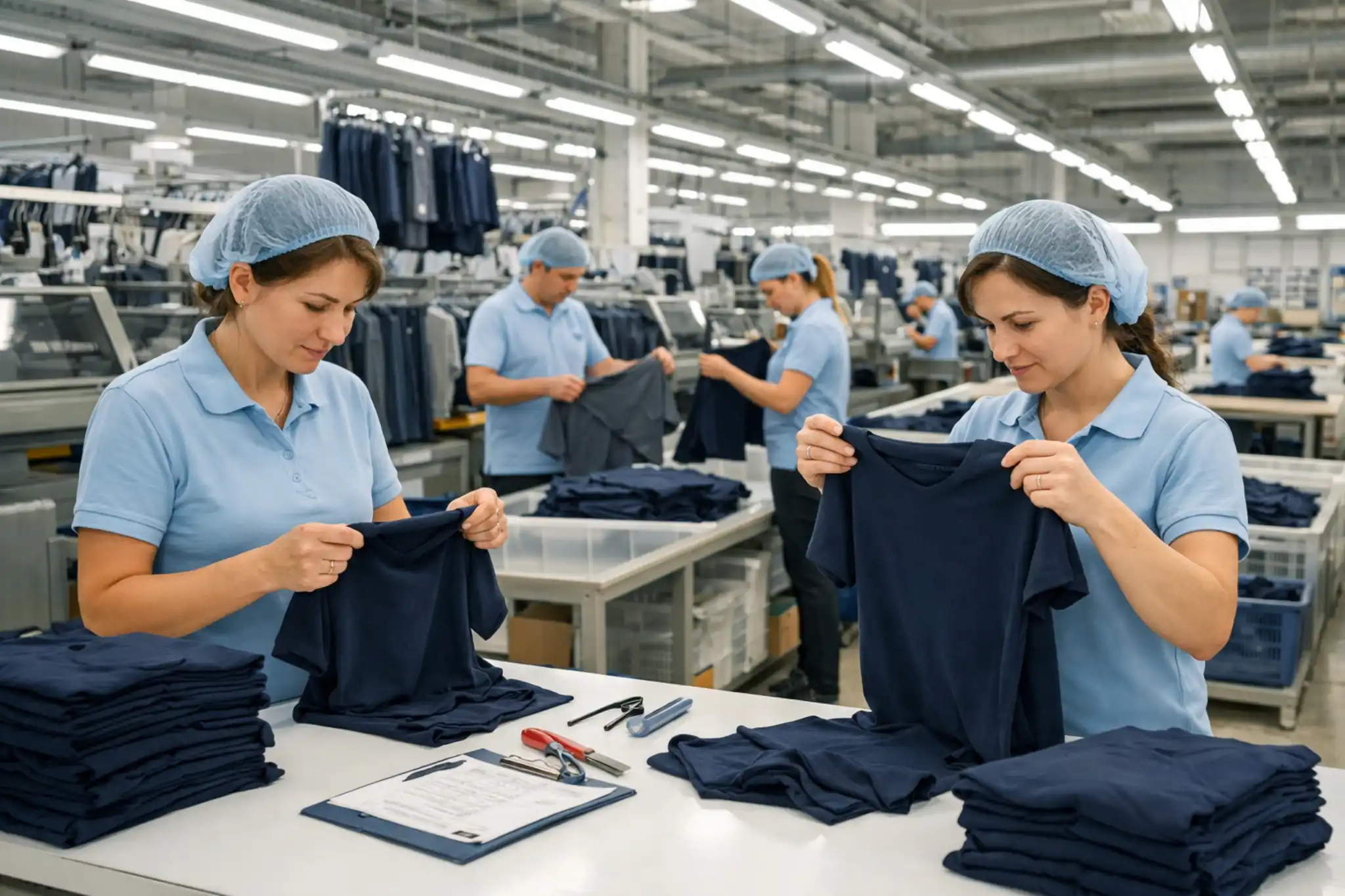
Before garments are packed, they are checked.
Quality control is not limited to the final stage. It often happens during production as well, where issues can be identified early. Final inspection ensures that the finished garments meet the required standards.
Measurements, stitching quality, fabric consistency, and overall finish are reviewed carefully.
Inconsistent quality is one of the most common problems in apparel manufacturing. Strong inspection processes reduce this risk and help maintain brand reputation.
Logistics: Moving Goods Across Markets
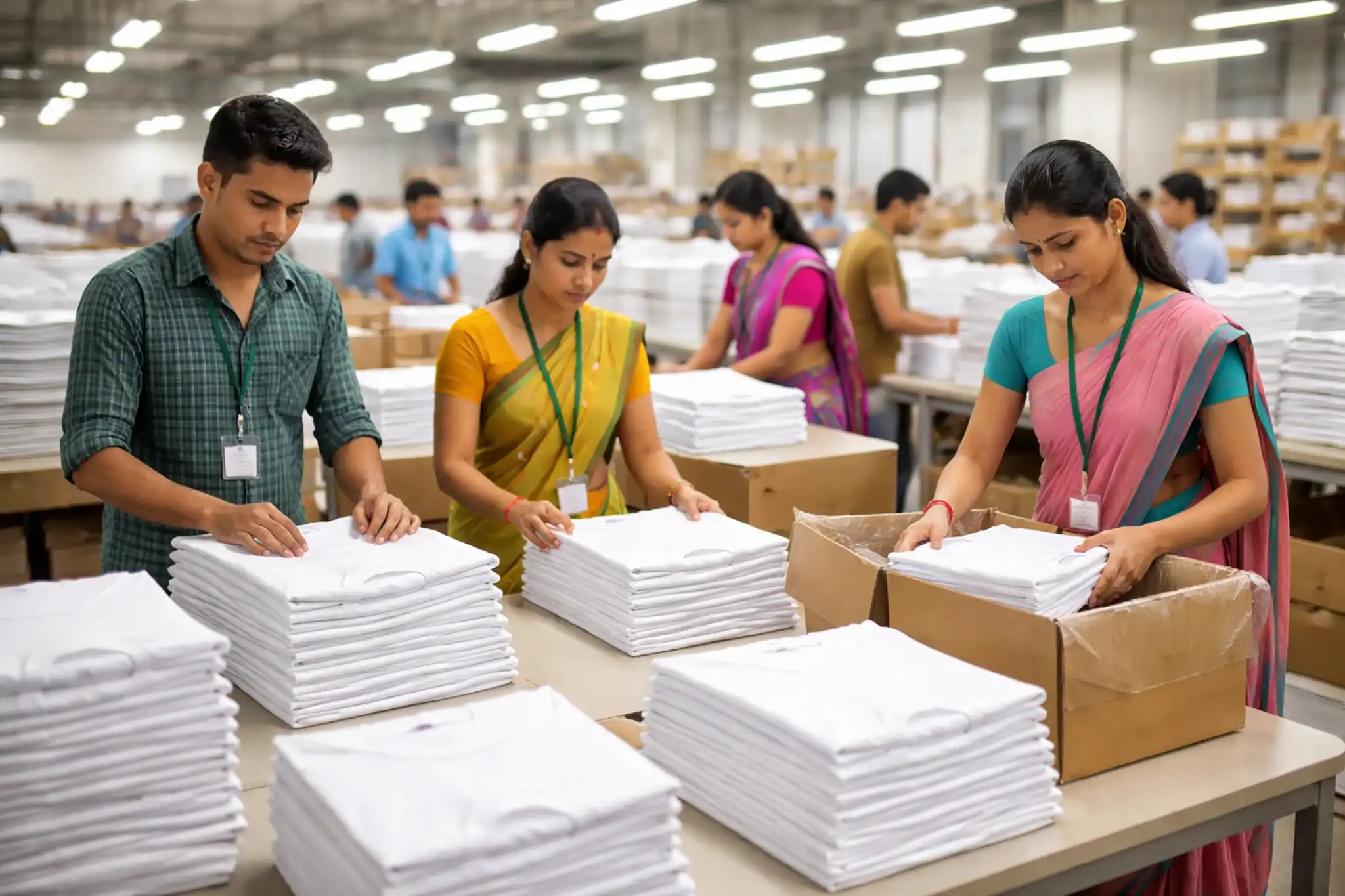
After production and approval, garments are packed and prepared for shipment.
This stage includes documentation, labeling, and coordination with logistics providers. Depending on timelines and cost considerations, goods are shipped by air or sea.
Shipping is often underestimated, but it plays a major role in the overall timeline. A well-produced garment still fails commercially if it does not reach the market on time.
Distribution and Retail
Once goods arrive in the destination country, they move into distribution.
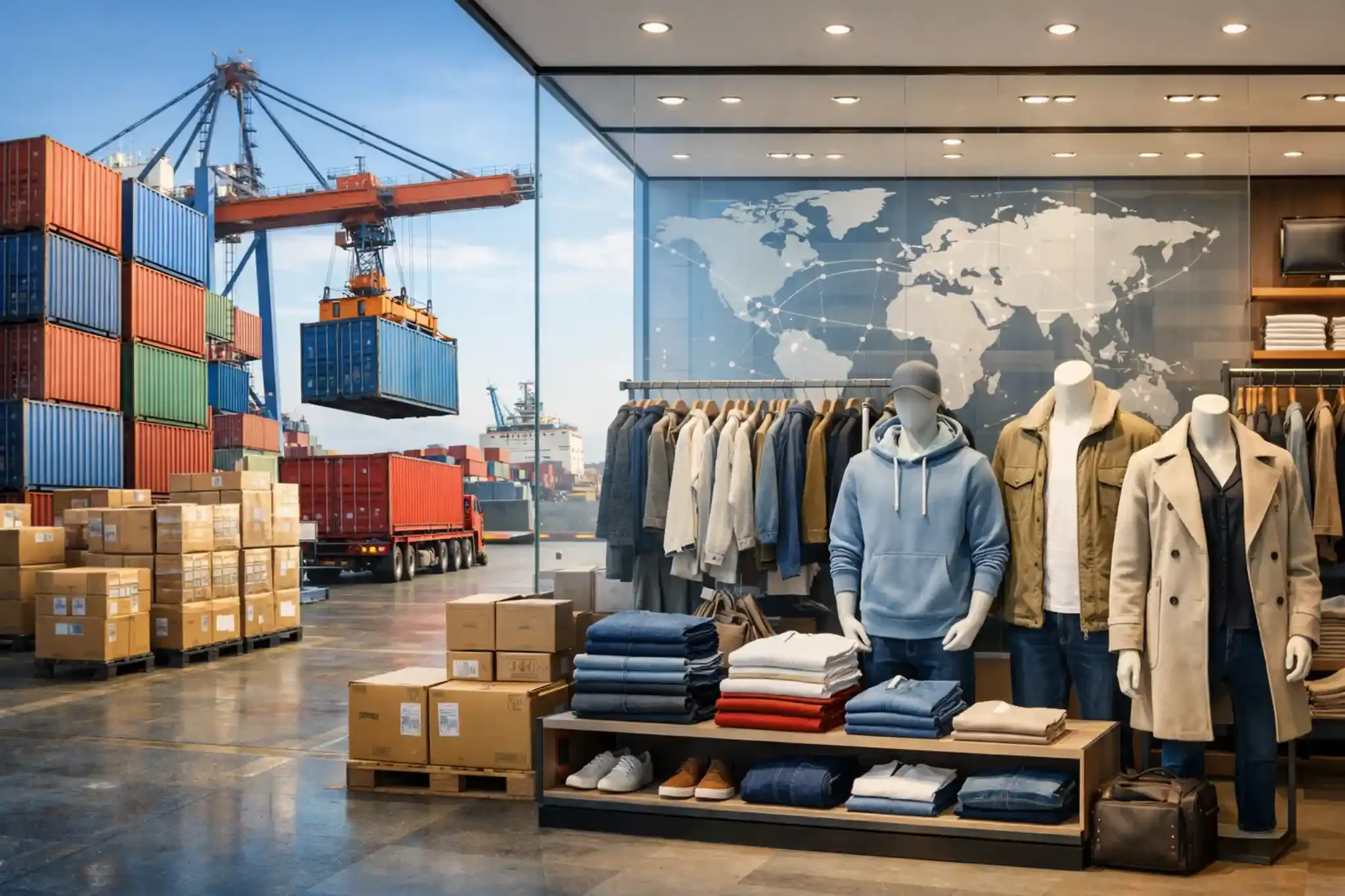
They may go to warehouses, fulfillment centers, or directly to retail stores. From there, they are sold through physical outlets or online platforms.
At this point, the product has completed its journey from concept to customer.
The price a customer pays includes not just production, but also logistics, duties, retail margins, and brand positioning.
Why This Process Matters
The apparel industry is not a single-step operation. It is a connected system where each stage depends on the previous one.
A delay in fabric sourcing affects production. A mistake in production affects quality. A delay in shipping affects retail timelines.
For anyone working with a clothing manufacturer or planning to build a brand, understanding this flow helps in setting realistic expectations and making informed decisions.
Challenges Across the Industry
Even experienced brands deal with challenges.
Fabric delays, production bottlenecks, quality inconsistencies, and shipping disruptions are all part of the industry. These are not exceptions. They are realities that require planning, communication, and flexibility.
The difference between smooth execution and constant problems often comes down to how well each stage is managed.
Final Thoughts
The journey of a garment is longer and more complex than it appears.
From product development to sourcing, garment production, quality control, and distribution, each stage plays a role in shaping the final outcome.
Understanding how the apparel industry works gives you an advantage. It helps you ask better questions, avoid common mistakes, and build products that meet expectations.