If you’re planning to manufacture clothing, understanding sampling vs bulk production is not optional – it’s critical. Many brands assume that once a sample looks good, bulk production will be identical. In reality, that assumption is where most problems begin.
From fabric inconsistencies to sizing issues and delayed timelines, the gap between sampling and bulk production is where costly mistakes happen.
This guide breaks down the real differences, what brands often misunderstand, and how to avoid production issues before they begin.
Sampling vs Bulk Production: Key Differences
At a surface level, sampling and bulk production may look similar. Both involve making garments. But in practice, they serve completely different purposes.
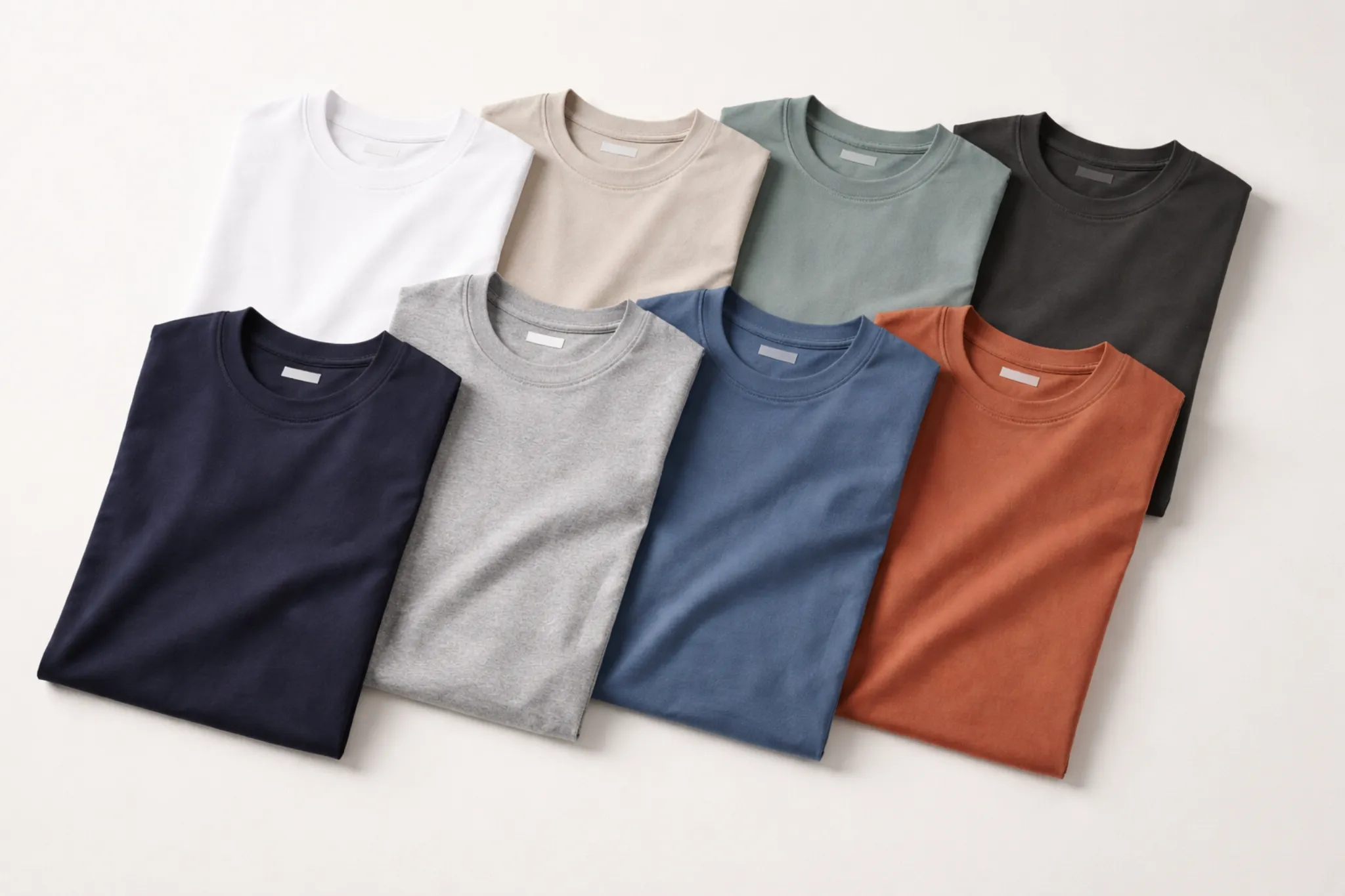
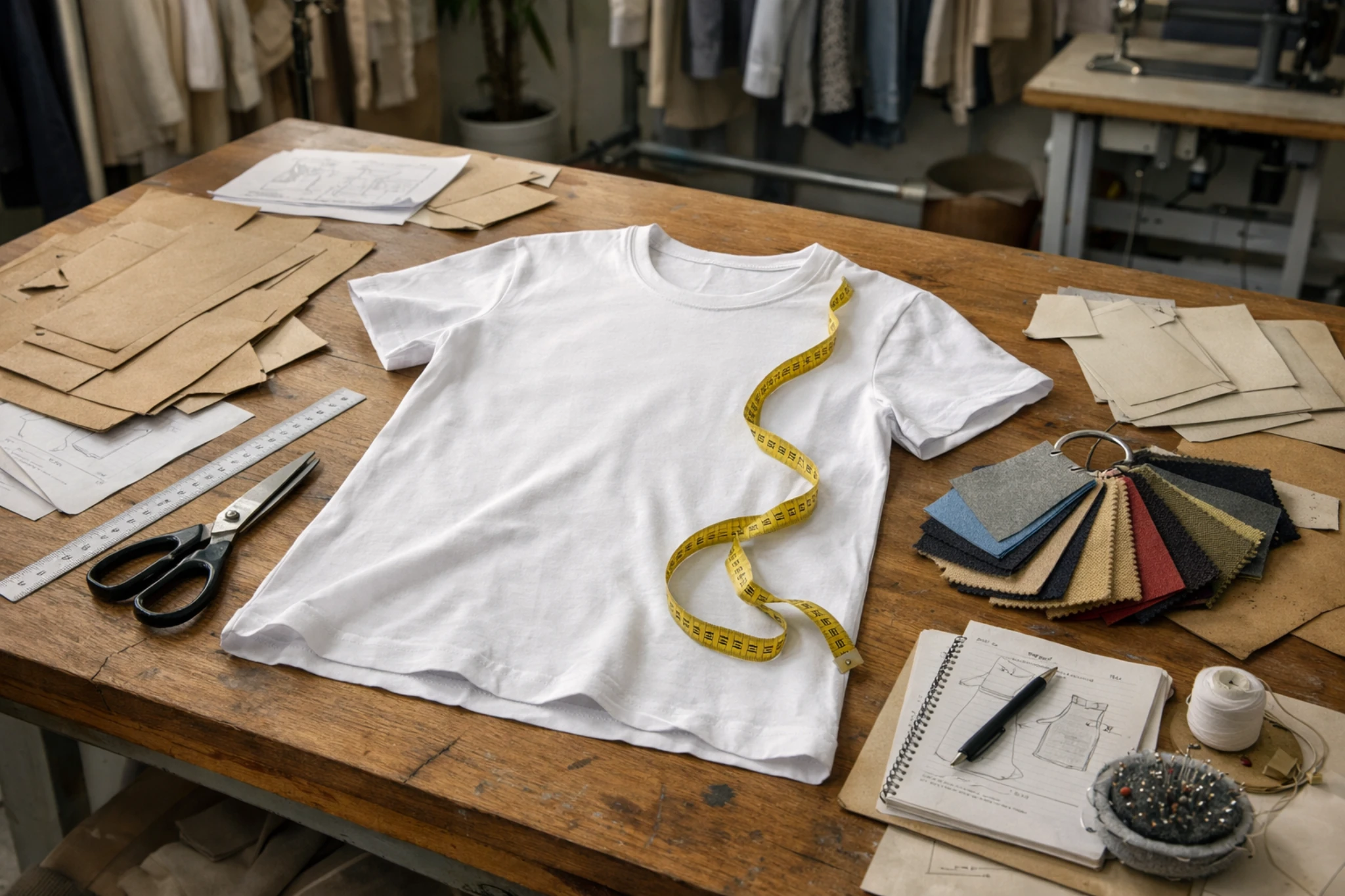
Sampling is about development and validation.
Bulk production is about consistency and scale.
During sampling:
- Fabrics may be sourced from available stock
- Stitching is handled by skilled sample tailors
- Attention is focused on one piece at a time
During bulk production:
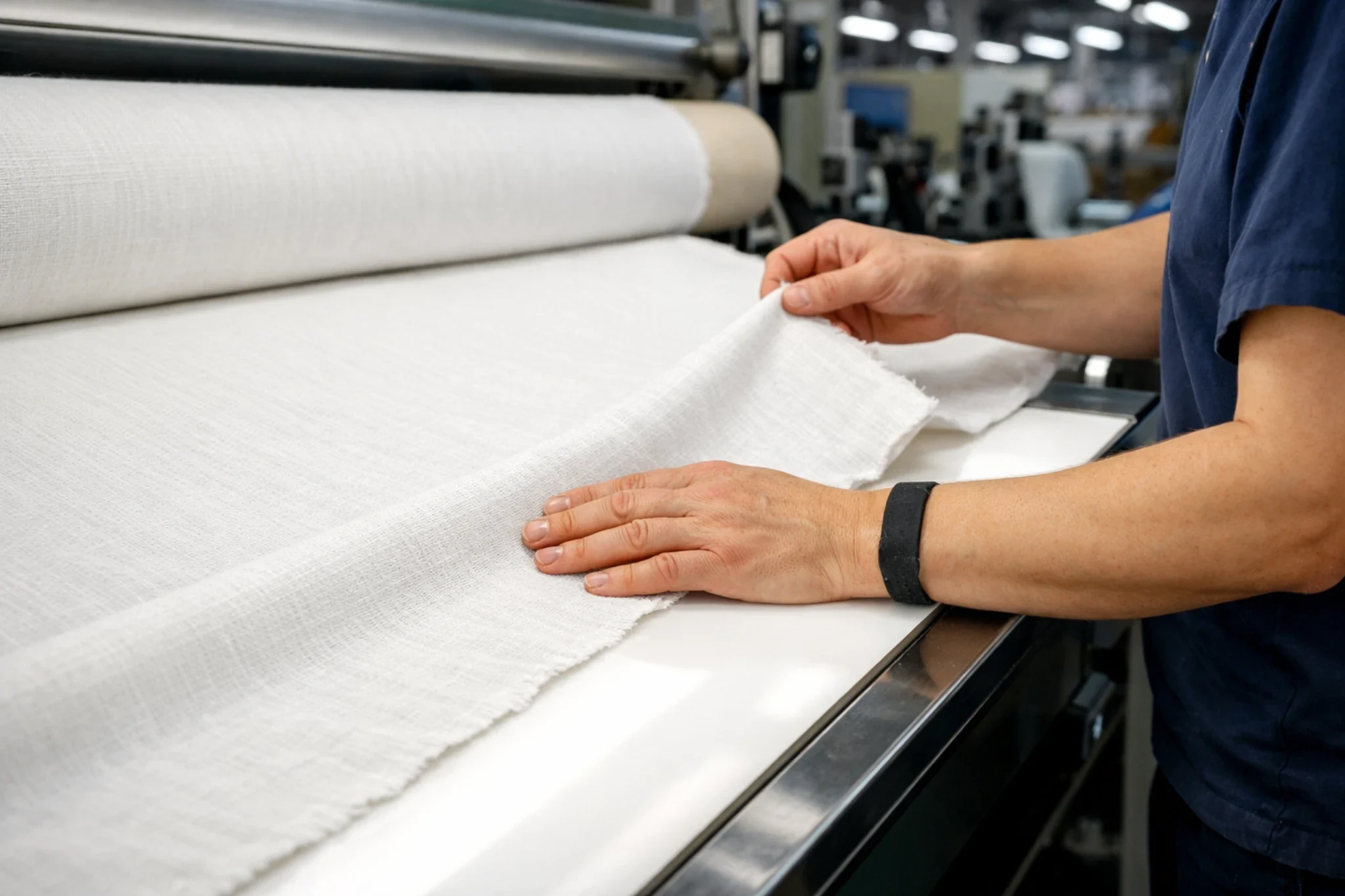
- Fabric is produced in large dye lots
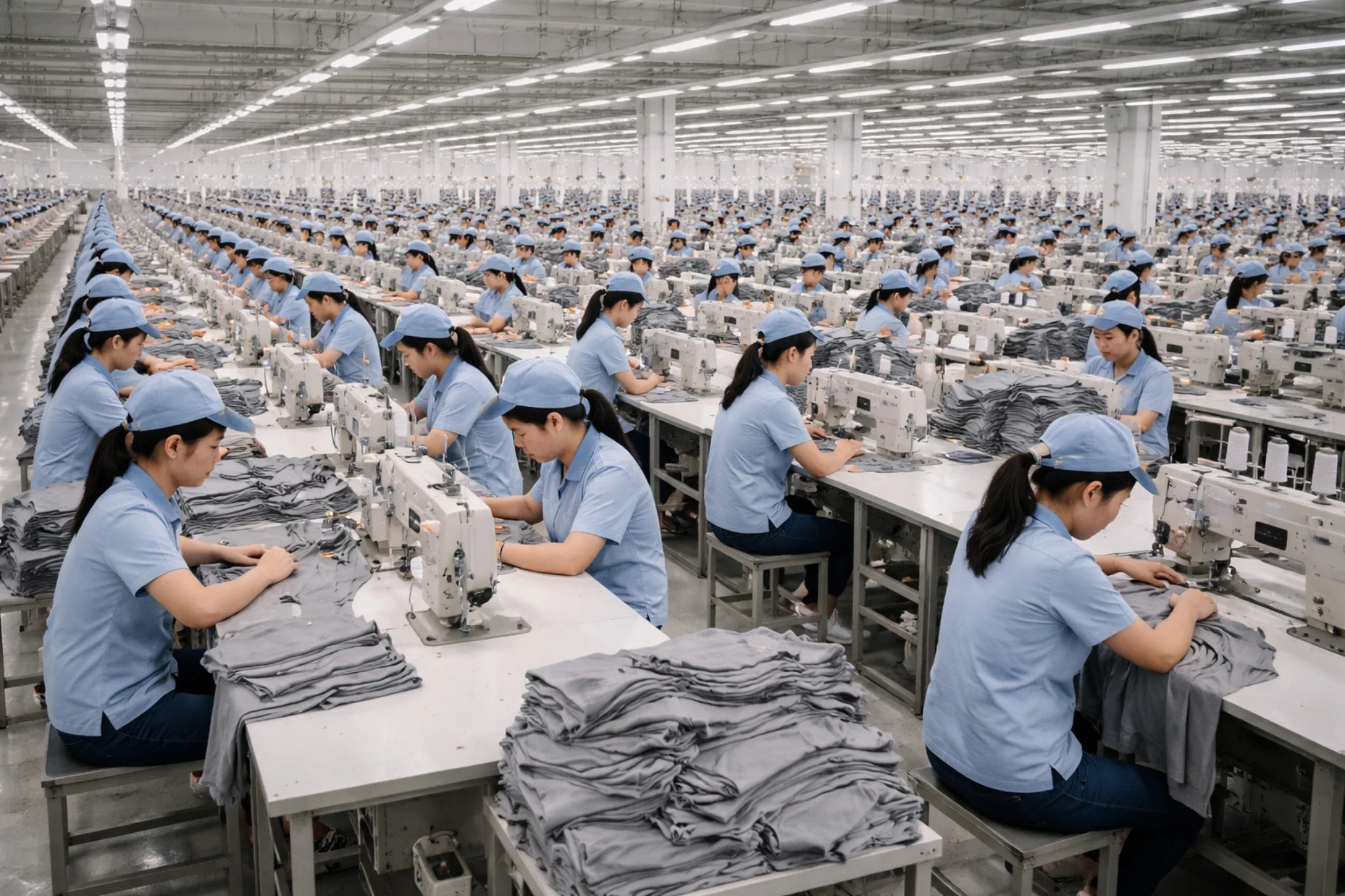
- Multiple operators handle different processes
- Efficiency and speed become priorities
This shift from controlled development to large-scale execution is where variations can occur.
Why a Perfect Sample Doesn’t Guarantee Perfect Bulk
One of the biggest misconceptions in clothing manufacturing is assuming that a perfect sample equals perfect production.
Here’s what actually changes:
1. Fabric Behavior Changes at Scale
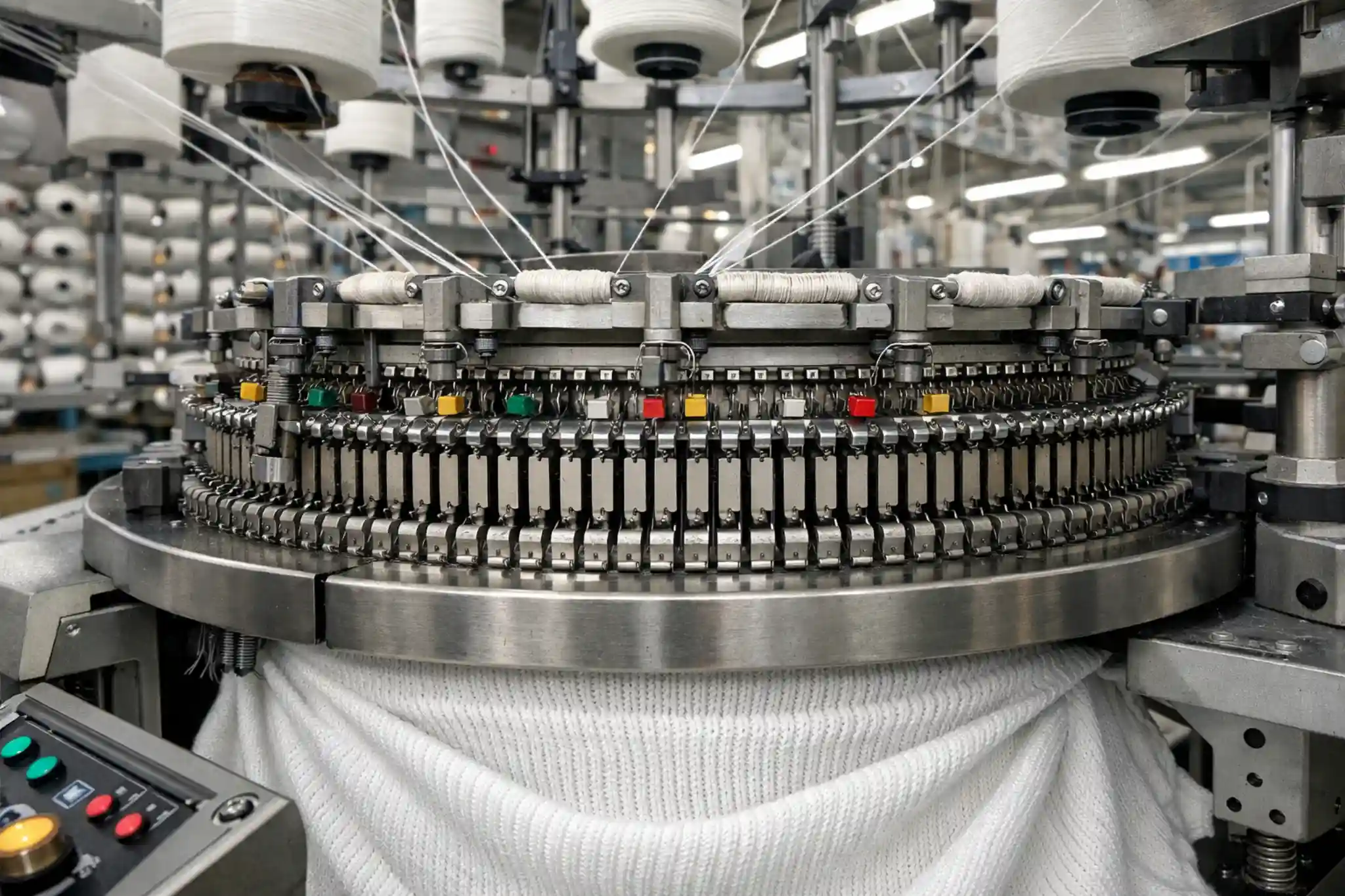
A sample might use readily available fabric, but bulk production requires fresh fabric processing – including knitting, dyeing, and finishing.
Even small differences in:
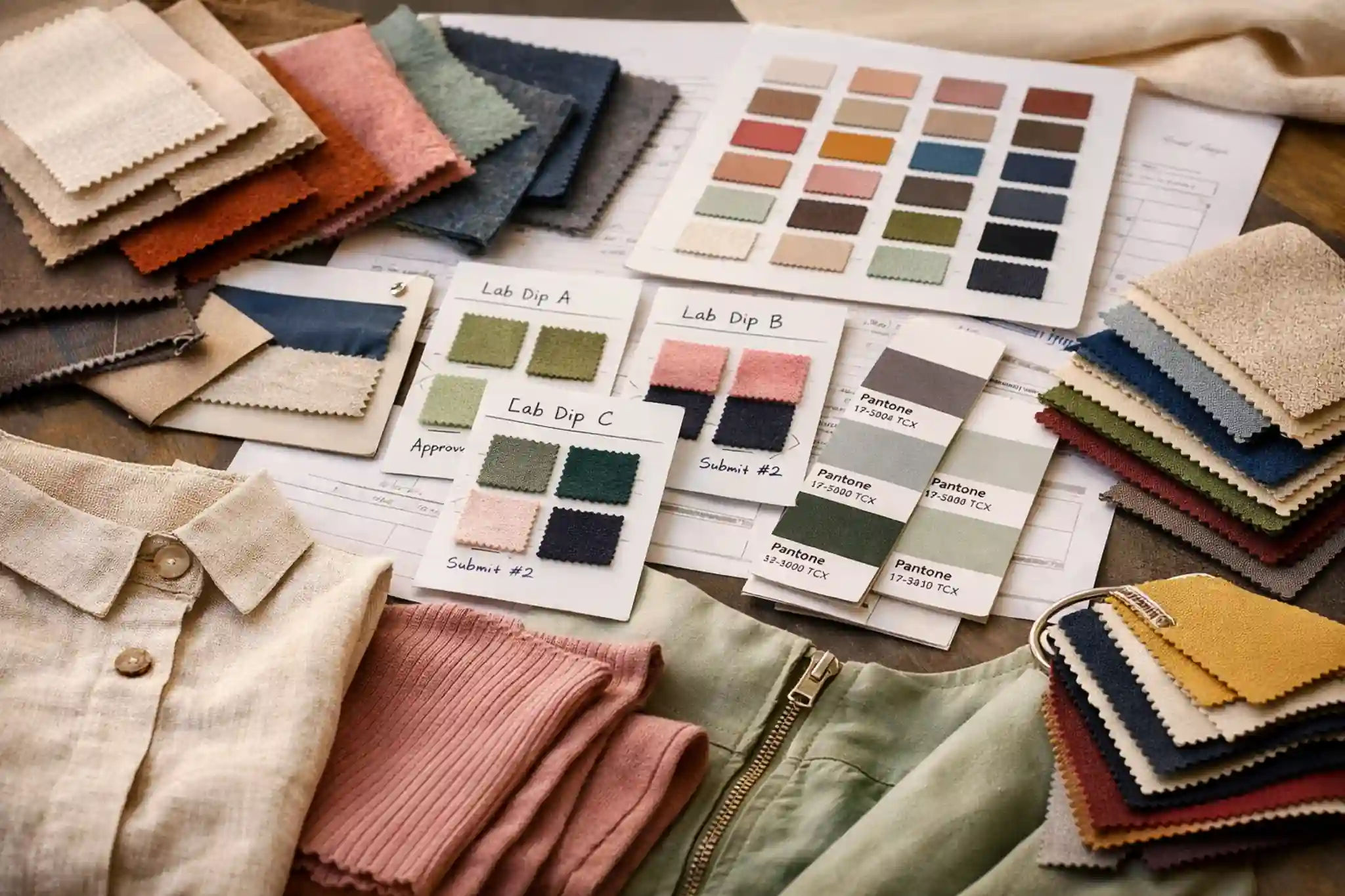
- Dye lots
- Yarn quality
- Finishing processes
…can affect color, shrinkage, and hand feel.
2. Human Handling Increases
In sampling, a single tailor may complete the garment.
In bulk production:
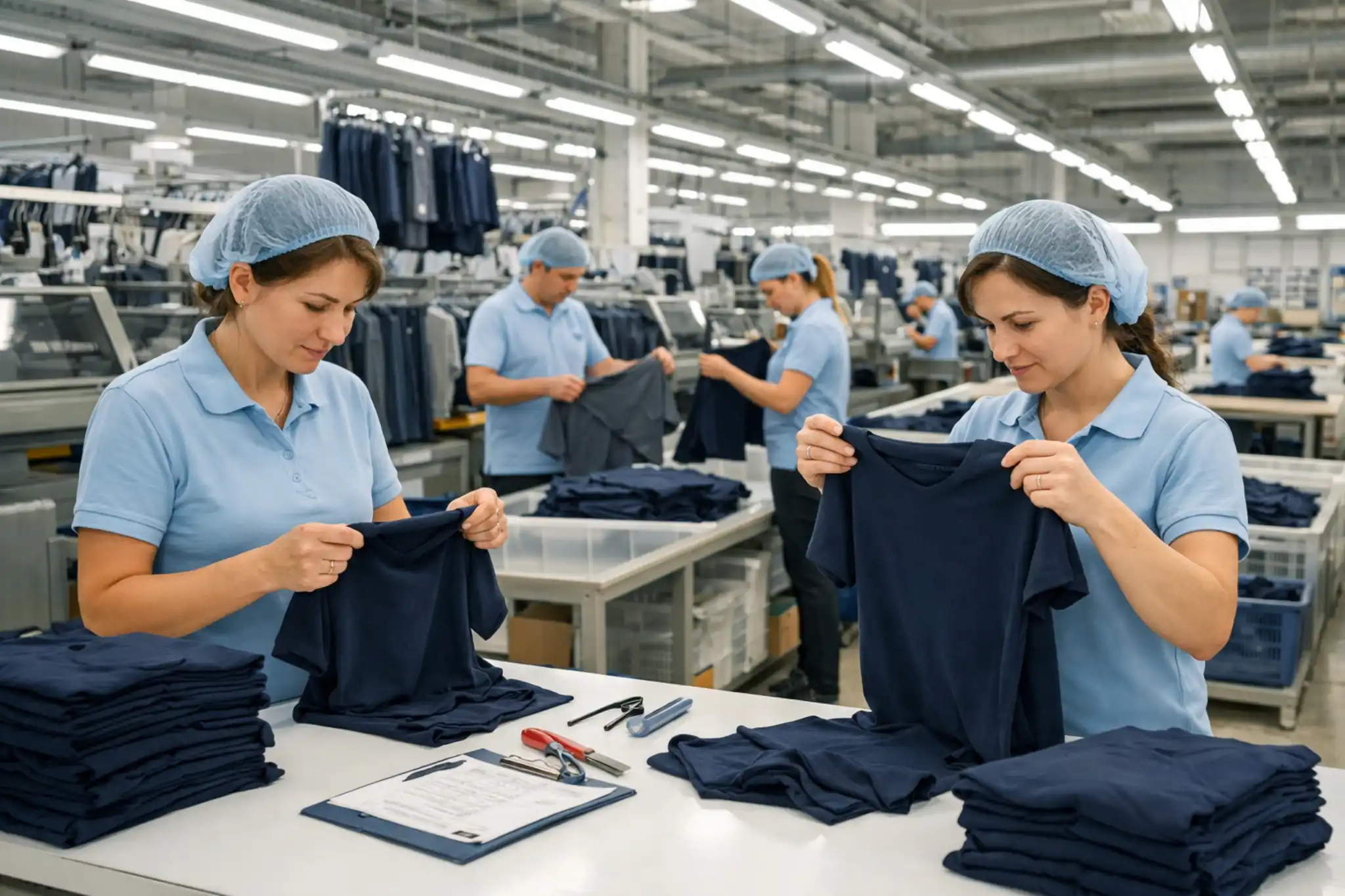
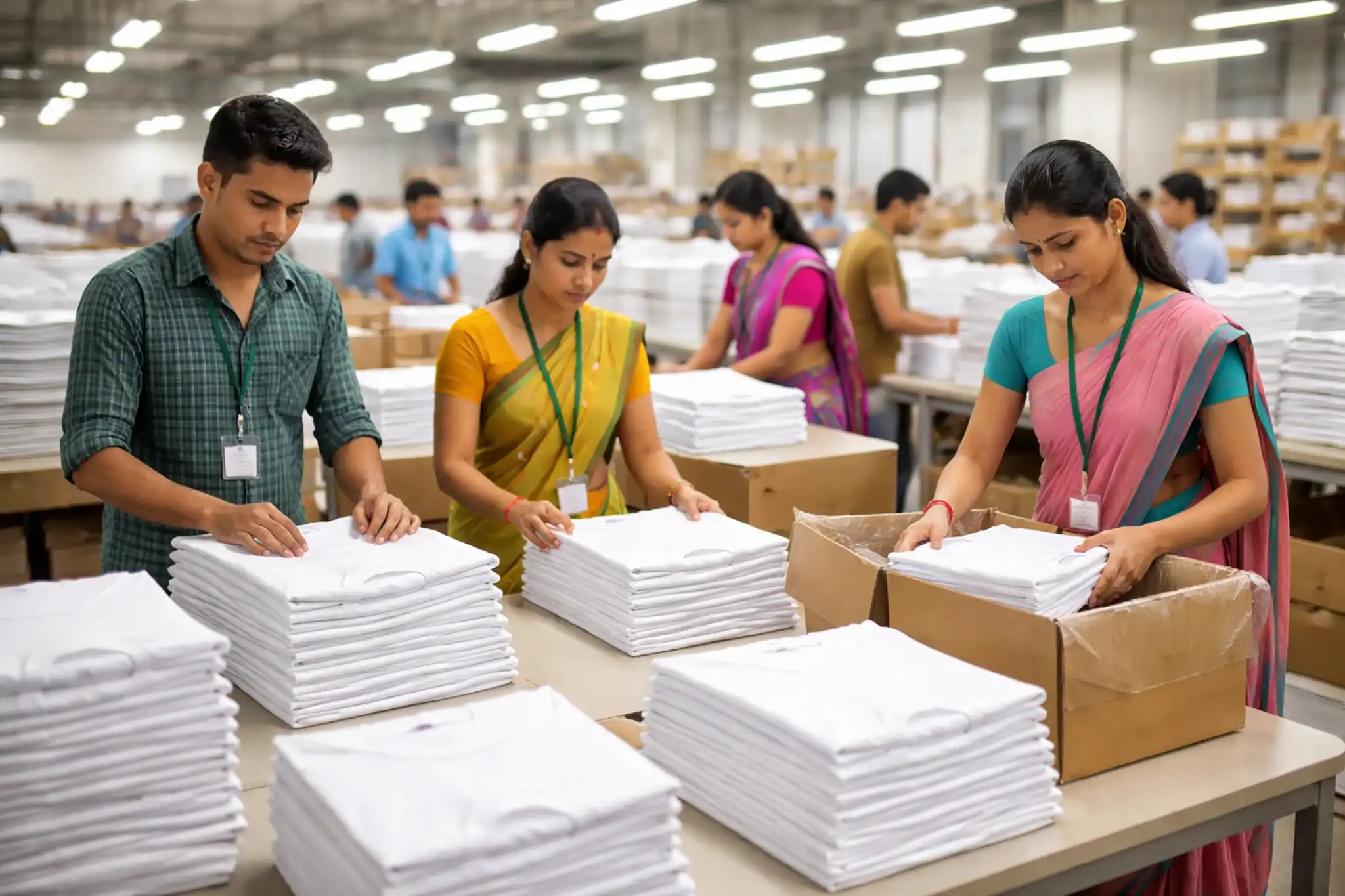
- Cutting, stitching, finishing, and packing are all handled by different teams
- Variations in stitching tension or alignment can occur
Consistency depends on systems – not individual craftsmanship.
3. Machine and Process Variations
Production lines use multiple machines and operators. Even with standardization, minor variations can happen across batches.
This is why bulk production requires strict monitoring, not just approvals.
Common Mistakes Brands Make
Understanding sampling vs bulk production is one thing – avoiding mistakes is another.
Here are the most common issues:
Mistake 1: Treating the Sample as Final Reality
Many brands approve a sample visually and assume bulk will match exactly.
What’s missed:
- Fabric batch differences
- Print consistency across volume
- Wash and finishing variations
A sample is a reference – not the final outcome.
Mistake 2: Skipping Proper PPS Approval
The Pre-Production Sample (PPS) is the most important stage before bulk.
Skipping or rushing PPS leads to:
- Incorrect measurements in bulk
- Wrong fabric finishing
- Branding placement issues
PPS must represent actual bulk conditions, not just a prototype.
Mistake 3: Ignoring Tolerance Levels
In real production, zero variation is impossible.
Brands that expect:
- Exact color matching
- Perfect measurement consistency
…often face unnecessary disputes.
Instead, acceptable tolerances must be defined early.
Mistake 4: Rushing Production Timelines
Sampling takes time for a reason.
When brands push for faster bulk production:
- Fabric processing is rushed
- Quality checks are reduced
- Errors multiply
Speed without control leads to rework and delays later.
How to Bridge the Gap Between Sampling and Bulk
The key to avoiding issues is not eliminating differences – it’s managing them.
1. Work with Accurate Tech Packs
A clear tech pack should include:
- Measurement charts
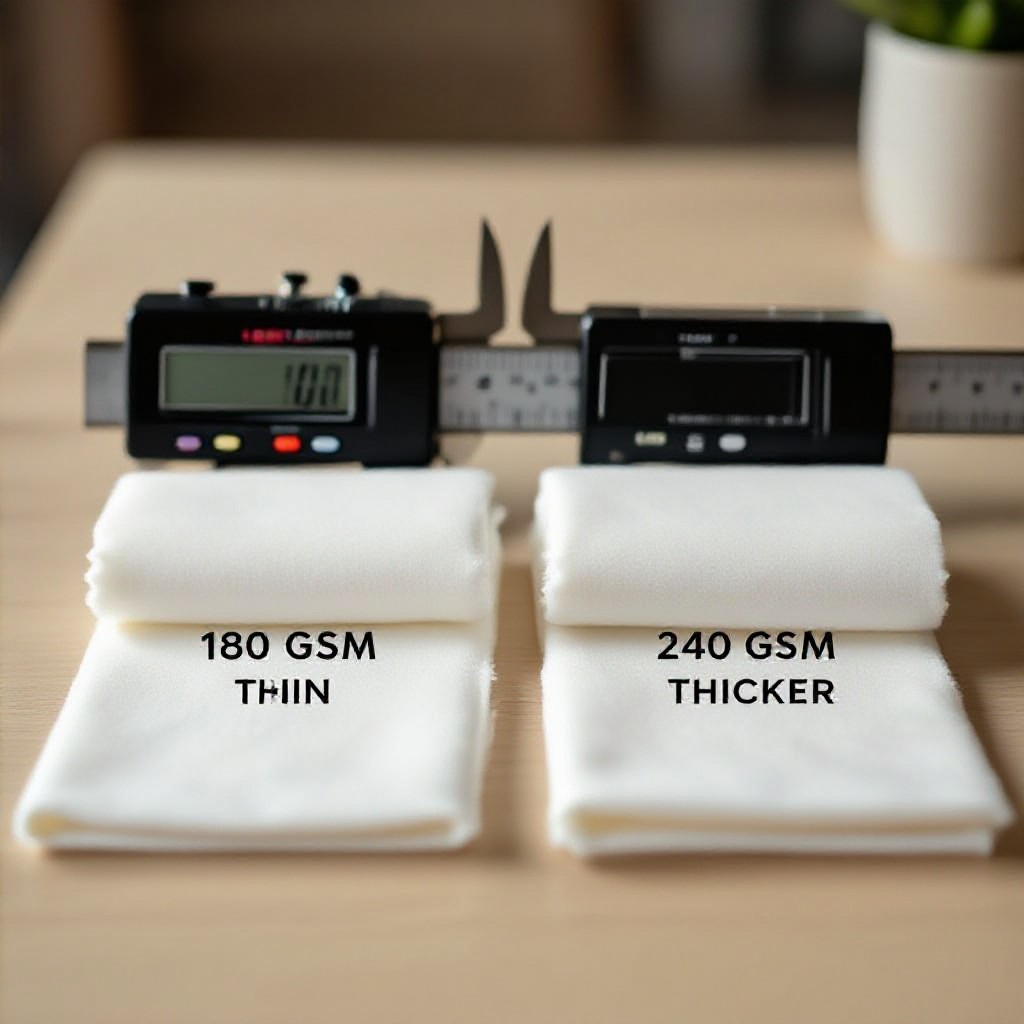
- Fabric specifications (GSM, composition)
- Stitching details
- Print and branding placement
Without this, production relies on assumptions.
2. Approve PPS Under Real Conditions
Ensure your PPS:
- Uses actual bulk fabric
- Includes final trims and labels
- Reflects real production finishing
This becomes your benchmark.
3. Define Acceptable Tolerances
Set realistic expectations for:
- Measurement variation
- Shade differences
- Print alignment
This prevents misunderstandings later.
4. Implement Quality Control Checks
Reliable production includes:
- Inline inspections during stitching
- Measurement audits
- Final random inspection
Quality should be monitored continuously – not just at the end.
5. Communicate Clearly During Production
Regular updates during bulk production help:
- Catch issues early
- Adjust processes if needed
- Maintain alignment with expectations
Silence during production is a risk.
The Real Role of Sampling
Sampling is not just about seeing the product – it’s about identifying potential risks.
A well-managed sampling process helps you:
- Test fabric performance
- Validate fit and sizing
- Finalize construction details
- Identify production challenges early
Skipping or rushing this stage often leads to bulk failures.
When Bulk Production Goes Wrong
Most production issues can be traced back to poor sampling decisions.
Common outcomes include:
- Size inconsistencies across batches
- Fabric shrinkage after wash
- Color mismatch between pieces
- Print defects or misalignment
Fixing these after production is expensive and time-consuming.
Final Thoughts
The difference between successful brands and struggling ones often comes down to how well they understand sampling vs bulk production.
Sampling is where you build the product.
Bulk production is where you prove it can be repeated at scale.
Brands that:
- Invest in proper sampling
- Set realistic expectations
- Maintain control during production
…are the ones that scale without quality issues.
Planning to move from sample to bulk production?
Share your tech pack or requirements and get a clear feasibility review before production begins.