

Table of Contents
Production cost is one of the most misunderstood aspects of apparel manufacturing.
Many brands assume pricing is based on fabric cost plus stitching. In reality, garment production cost is built through multiple layers including fabric consumption, process handling, wastage, labor efficiency, and factory overheads.
If you do not understand how production cost is calculated, you risk overpaying, underestimating budgets, or facing unexpected changes during bulk production.
This guide explains how production cost is actually calculated inside apparel manufacturing units, based on real factory practices.
What Does “Production Cost” Actually Include?
Production cost is not a single number. It is a combination of several cost components:
- Fabric cost
- Trims and accessories
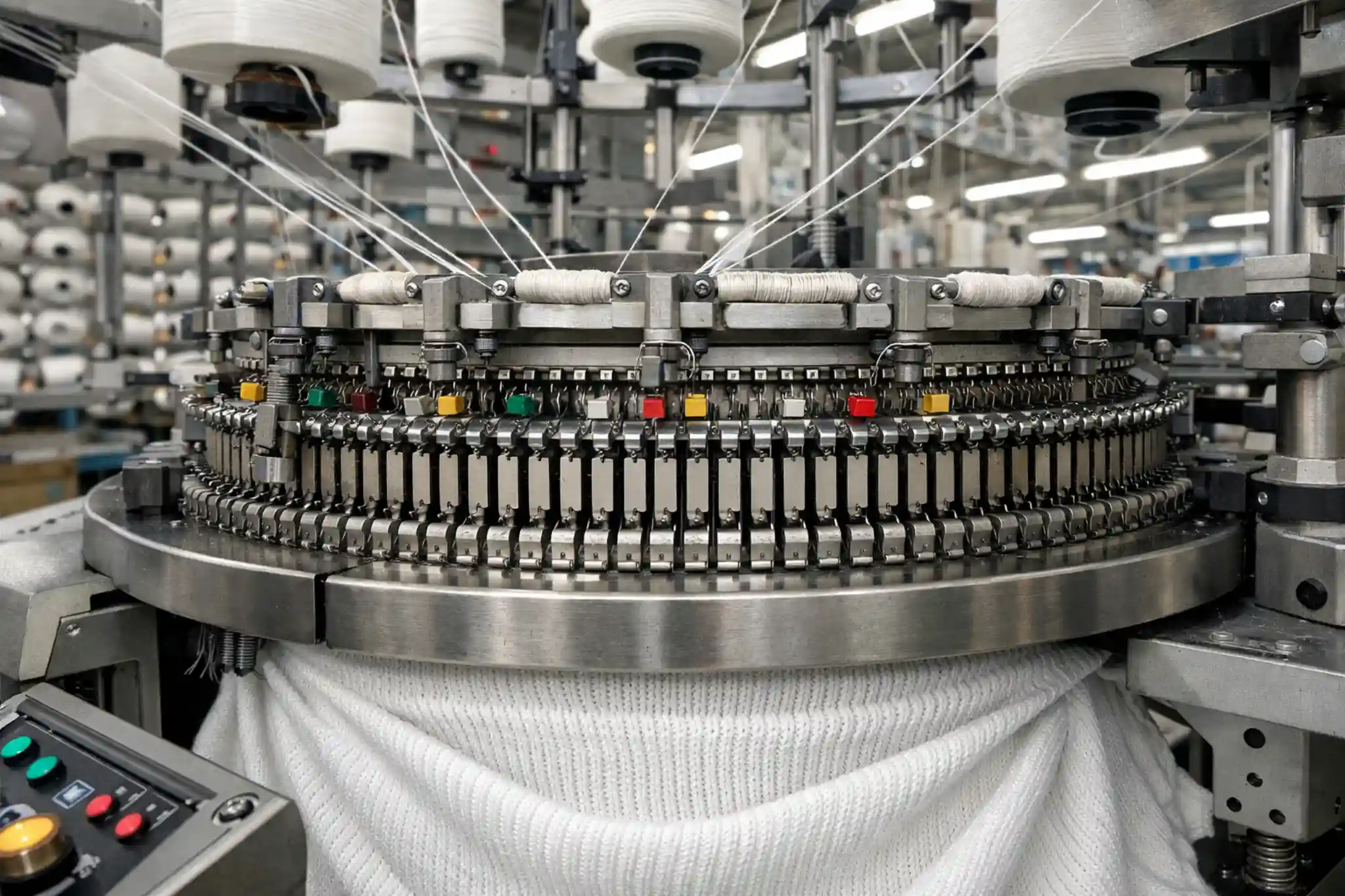
- Cutting and stitching cost (CM cost)
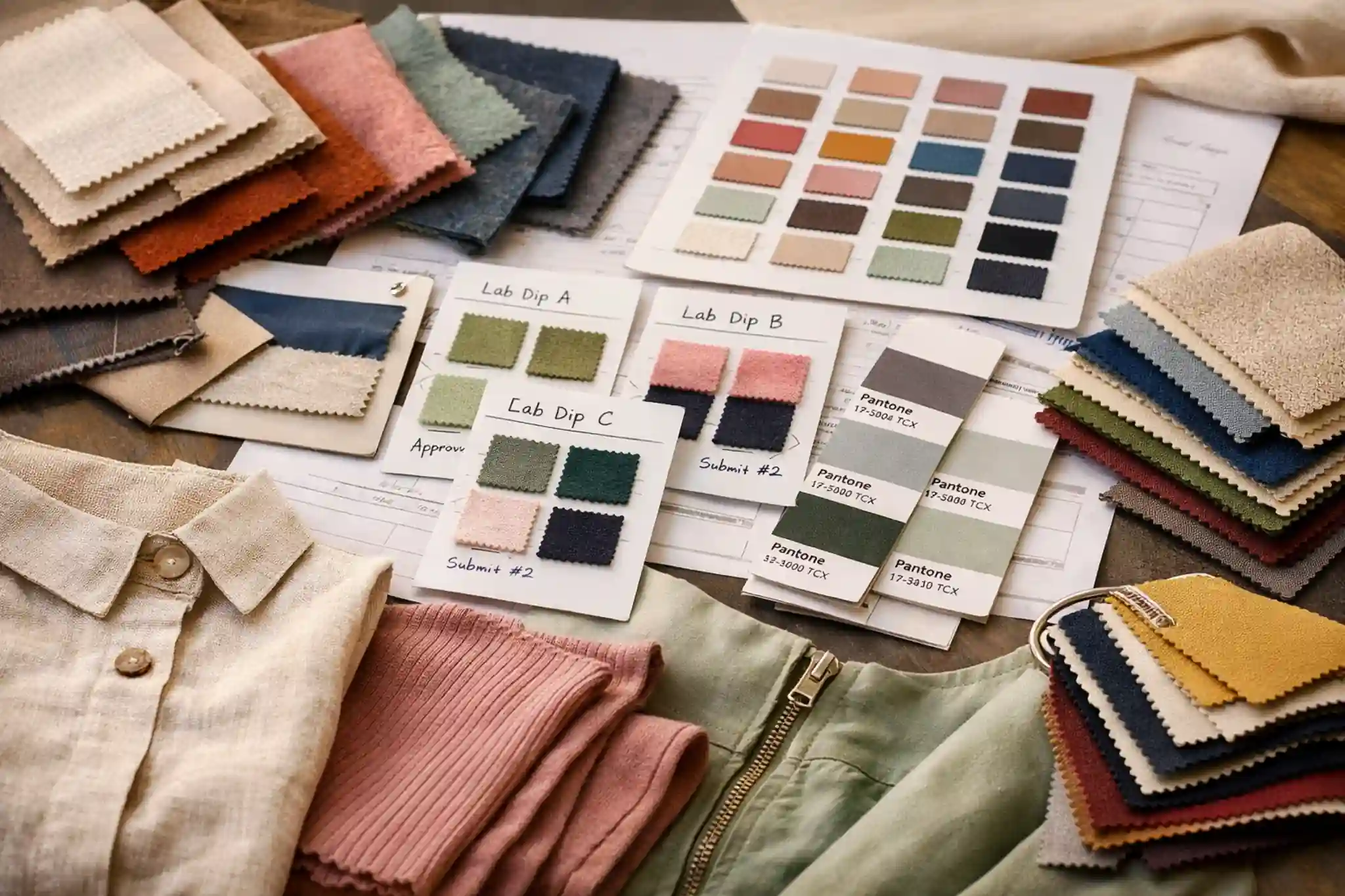
- Processing (dyeing, washing, printing)
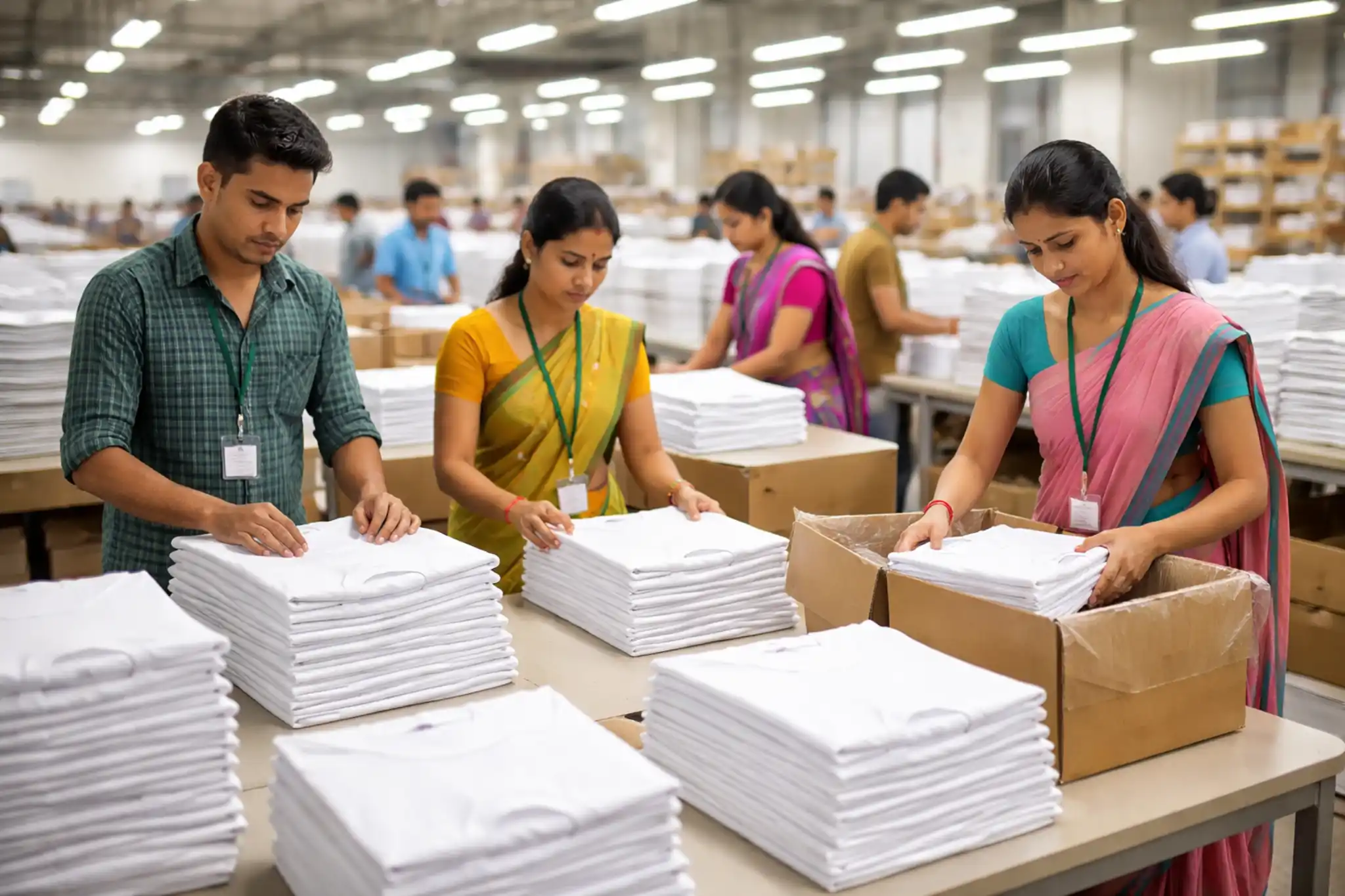
- Packaging
- Factory overheads
- Wastage and rejection
Each of these elements contributes to the final price per garment.
1. Fabric Cost: The Largest Component
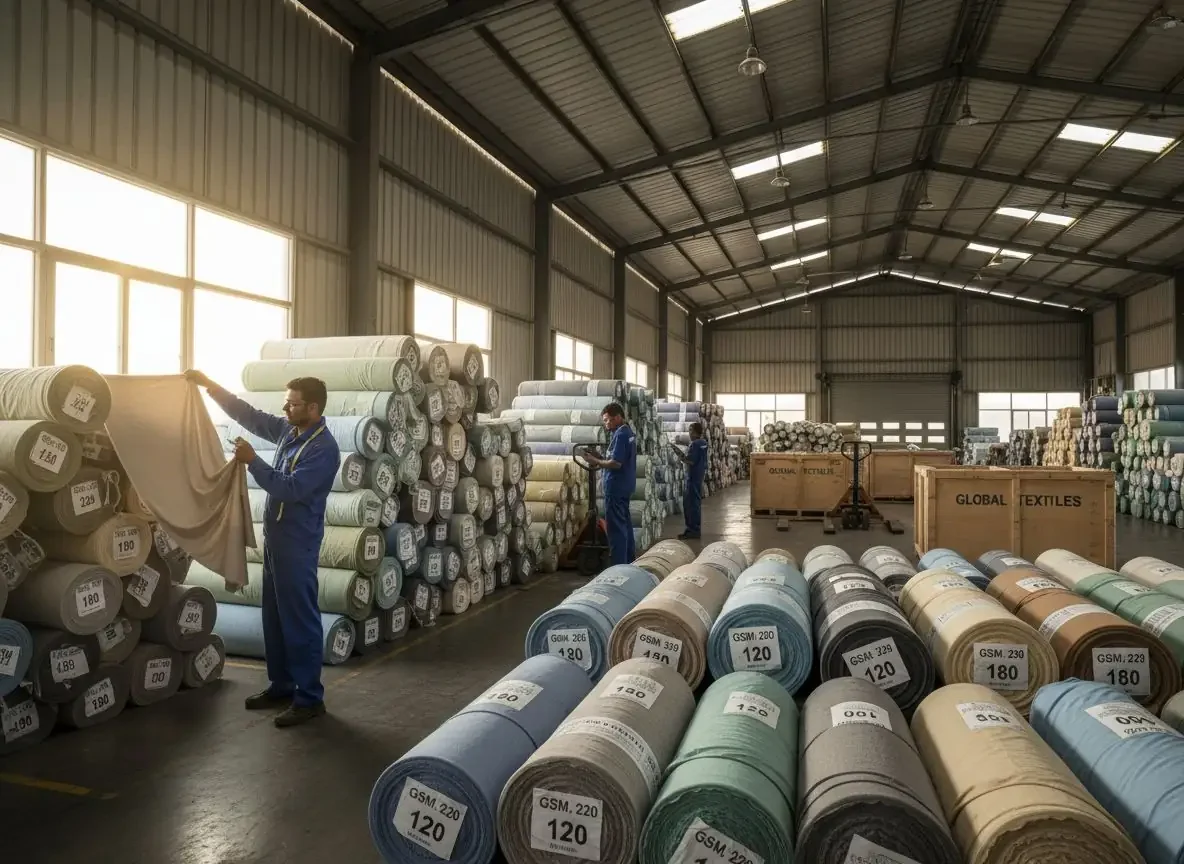
Fabric typically accounts for 50% to 70% of the total production cost.
The cost depends on:
- Fabric type (cotton, blends, specialty fabrics)
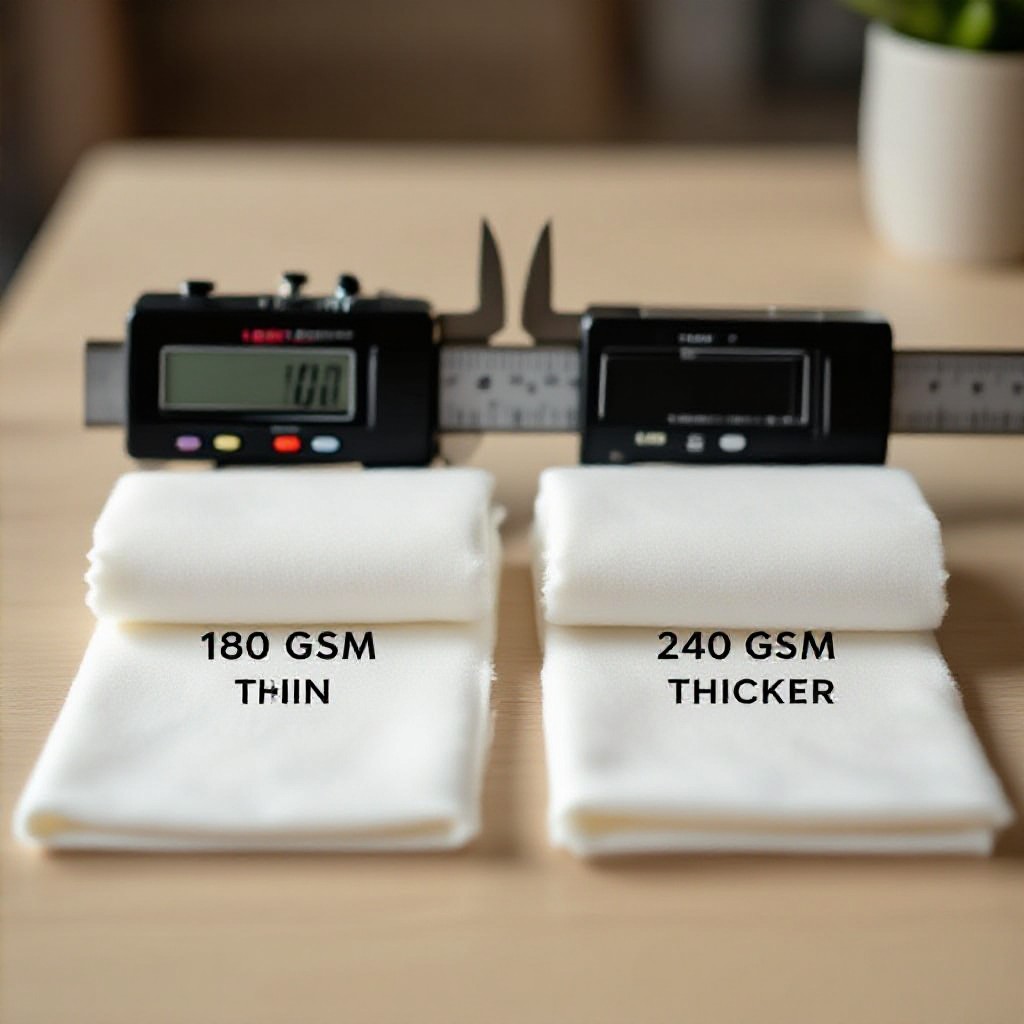
- GSM (fabric weight)
- Yarn quality
- Dyeing and finishing process
More importantly, cost is calculated based on fabric consumption per garment, not just fabric price per kg.
For example:
- A heavier oversized t-shirt consumes more fabric
- Inefficient marker planning increases fabric usage
- Shrinkage allowances add to consumption
This is why two similar-looking garments can have very different production costs.
2. Fabric Consumption and Wastage
One of the most overlooked factors is wastage.
In real production:
- Fabric is not used 100% efficiently
- Cutting loss occurs due to shape and layout
- Defects in fabric rolls are rejected
- Additional fabric is required for testing and approvals
For small quantities, wastage percentage is even higher because:
- Minimum fabric purchase quantities apply
- Dye lots cannot be optimized
This is why sampling or low MOQ production often appears expensive.
3. Trims and Accessories
Trims may seem small, but they add up quickly.
This includes:
- Neck rib or collars
- Labels (brand, size, care)
- Tags and packaging
- Threads, elastics, drawcords
Even simple garments like t-shirts require multiple trims.
For premium brands, trims can significantly increase production cost due to:
- Custom branding
- Special finishes
- Imported accessories
4. CM Cost (Cut and Make)
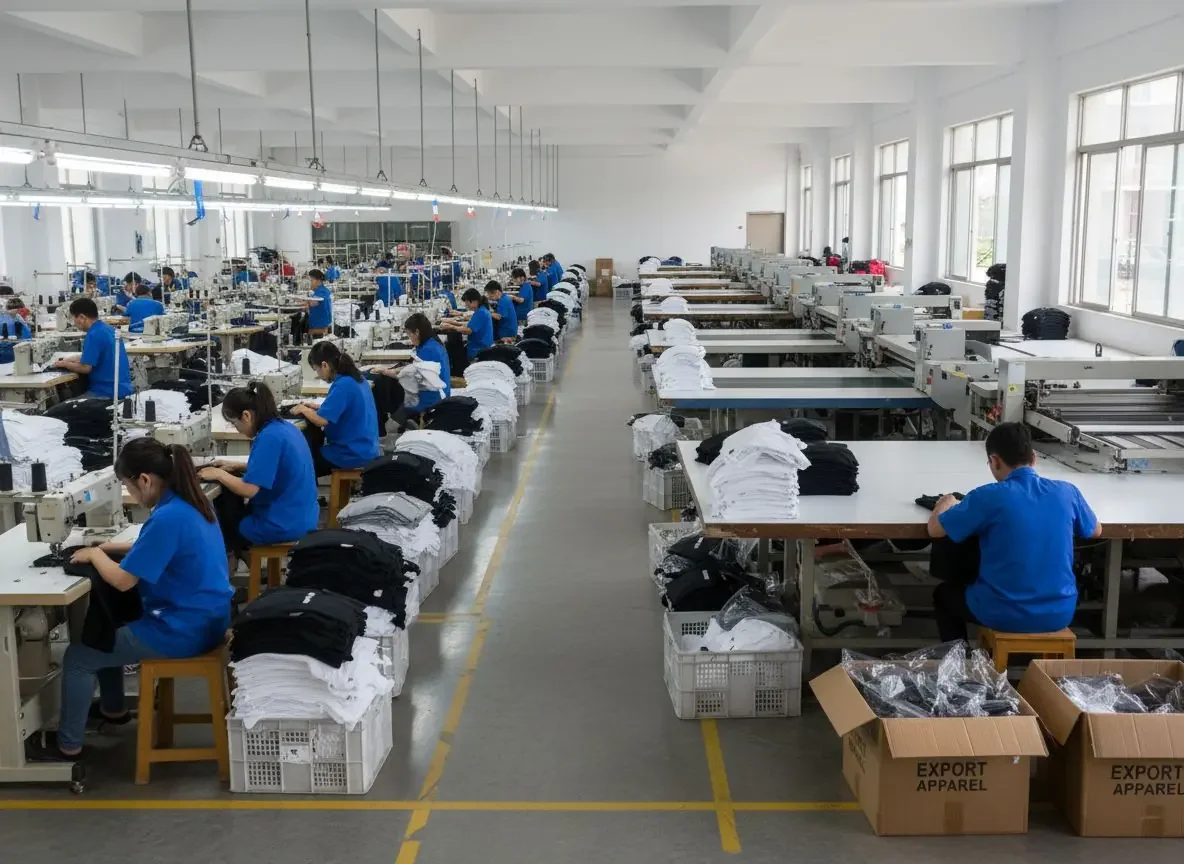
CM cost refers to the cost of converting fabric into a finished garment.
This includes:
- Cutting
- Stitching
- Finishing
CM cost depends on:
- Garment complexity
- Number of operations
- Machine requirements
- Production efficiency
For example:
- A basic t-shirt has low CM cost
- A hoodie with panels, pockets, and rib attachments has higher CM cost
Factories calculate CM based on standard minute value (SMV), which measures how long it takes to produce one piece.
5. Processing Costs
Processing varies based on product requirements.
Common processes include:
- Dyeing
- Washing (enzyme wash, garment wash)
- Printing (screen, puff, HD prints)
- Embroidery
Each process adds cost depending on:
- Volume
- Technique
- Complexity
For example:
- A plain t-shirt has minimal processing cost
- A garment-dyed or heavily printed product significantly increases cost
6. Sampling and Development Cost
Sampling is a separate cost that many brands underestimate.
It involves:
- Pattern development
- Trial stitching
- Fabric sourcing in small quantities
Since factories cannot optimize production at this stage, the cost per piece is higher than bulk production.
In many cases, sampling cost is adjusted against bulk orders, but it still forms part of the overall production cost structure.
7. Factory Overheads
Beyond visible costs, factories include overhead expenses such as:
- Labor management
- Electricity and maintenance
- Machine depreciation
- Rent and infrastructure
- Quality control teams
These are distributed across each garment as part of production cost.
Efficient factories manage overhead better, which is why pricing varies between suppliers.
8. Quality Control and Rejections
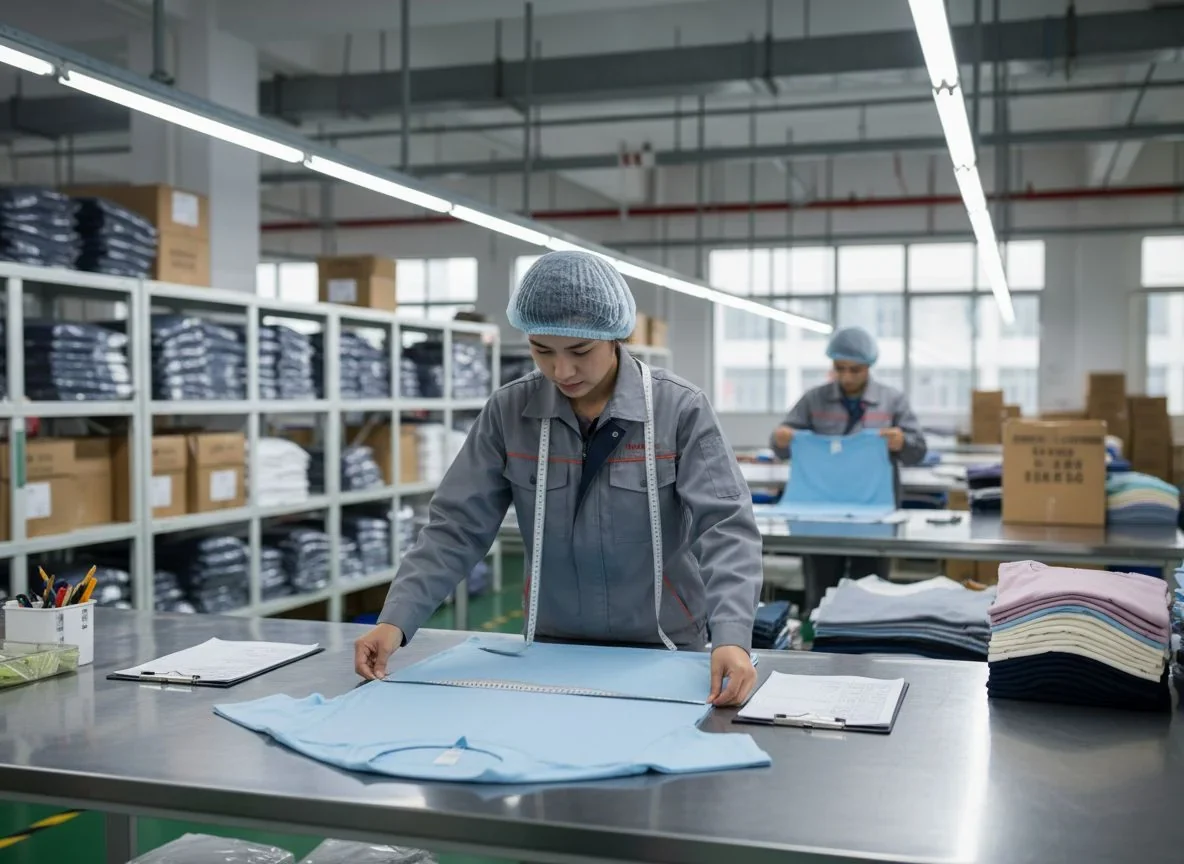
Not every piece produced is shipped.
Factories account for:
- Defective pieces
- Measurement failures
- Stitching issues
These rejected garments increase the effective cost of usable pieces.
Professional production setups include:
- Inline inspection
- Final inspection
These systems reduce risk but add to cost.
9. Packaging and Export Preparation
Final costs include:
- Folding and packing
- Polybags and cartons
- Barcoding and labeling
- Export documentation preparation
For international orders, packaging must meet compliance standards, which adds additional cost.
10. Why Production Cost Changes Between Orders
Production cost is not fixed.
It changes based on:
- Order quantity
- Fabric availability
- Number of colors
- Size ratios
- Design changes
For example:
- Larger quantities reduce cost per piece
- More colors increase dyeing complexity
- Frequent changes disrupt production efficiency
This is why accurate costing requires complete details before quoting.
Common Misunderstanding About Production Cost
A common mistake brands make is comparing prices without understanding what is included.
Two suppliers may quote different prices because:
- One includes full processing and QC
- Another excludes certain stages
- Fabric quality may differ
- Wastage assumptions vary
Without clarity, price comparison becomes misleading.
Final Thoughts
Production cost in apparel manufacturing is not just a number. It is a result of multiple interconnected decisions across fabric, design, process, and execution.
Understanding this structure helps brands:
- Plan budgets realistically
- Avoid production surprises
- Choose the right manufacturing partners
The more clarity you have at the beginning, the smoother your production process will be.
FAQ
What is the biggest factor in garment production cost?
Fabric cost is usually the largest component, often contributing more than half of the total cost.
Why is sampling more expensive than bulk production?
Sampling involves small quantities, manual handling, and development work, which increases cost per piece.
Does higher quantity reduce production cost?
Yes. Larger orders improve efficiency, reduce wastage, and lower per-piece cost.
What is CM cost in apparel manufacturing?
CM stands for Cut and Make, which includes the cost of cutting, stitching, and finishing the garment.
Why do production costs vary between suppliers?
Differences in fabric sourcing, overheads, efficiency, and quality control systems lead to cost variations.