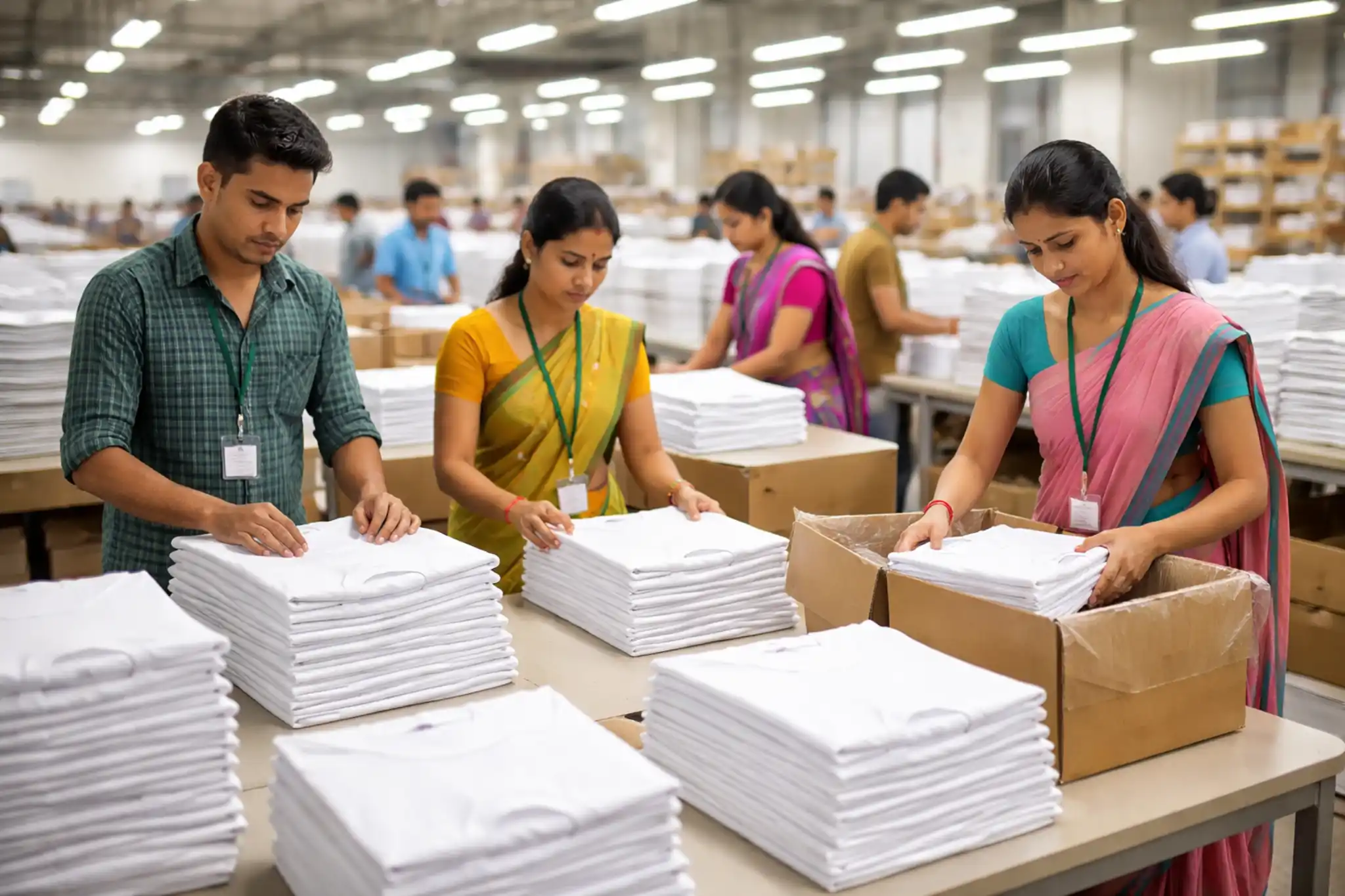

Starting a clothing brand requires more than just creative ideas. If you want to build a successful label, understanding how to start a clothing brand the right way is critical from day one.
Starting a clothing brand is no longer limited to large companies or established designers. With access to global manufacturing, digital marketing, and direct-to-consumer platforms, new brands can enter the market faster than ever.
However, most beginners underestimate one thing: building a clothing brand is not just about design. It is about product development, sourcing decisions, quality control, and long-term consistency.
This guide explains how to start a clothing brand with a practical, execution-focused approach that helps you avoid costly mistakes.
1. Define Your Brand Concept Clearly
Before thinking about products, you need clarity on your brand.
Ask yourself:
- Who is your target audience
- What type of clothing will you focus on
- What makes your brand different
Avoid trying to target everyone. Strong brands are built around a specific identity such as streetwear, basics, premium essentials, or performance wear.
A clear concept helps you:
- Choose the right fabrics
- Define pricing
- Build consistent collections
2. Understand Your Product Category
Not all clothing products are created equal. Each category requires a different manufacturing approach.
Common categories include:
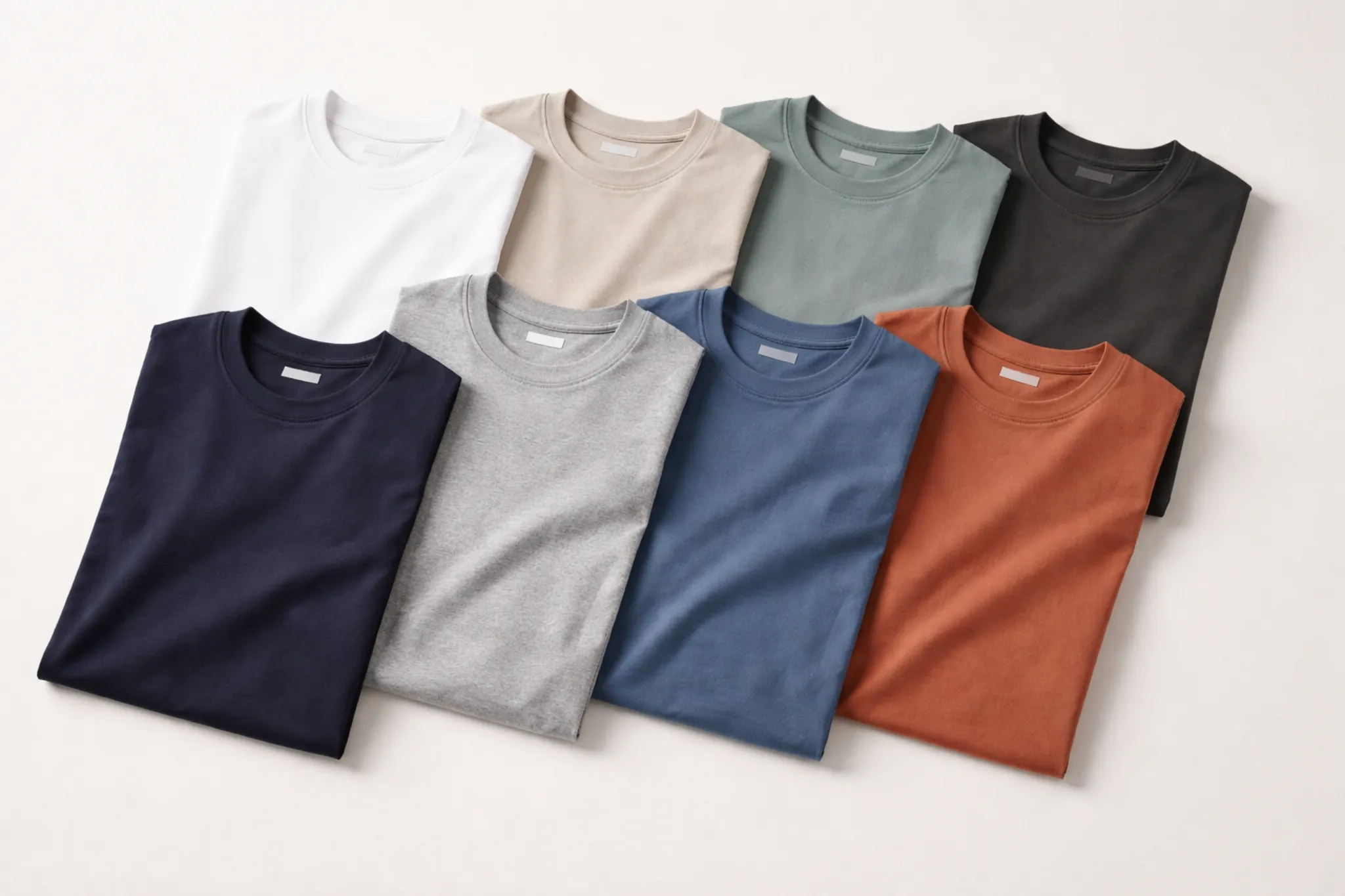
- T-shirts and basics
- Hoodies and sweatshirts
- Kidswear
- Loungewear and sleepwear
For example, a basic cotton t-shirt and a structured hoodie involve different fabrics, stitching methods, and production timelines.
If you are starting out, it is better to focus on one category and scale gradually.
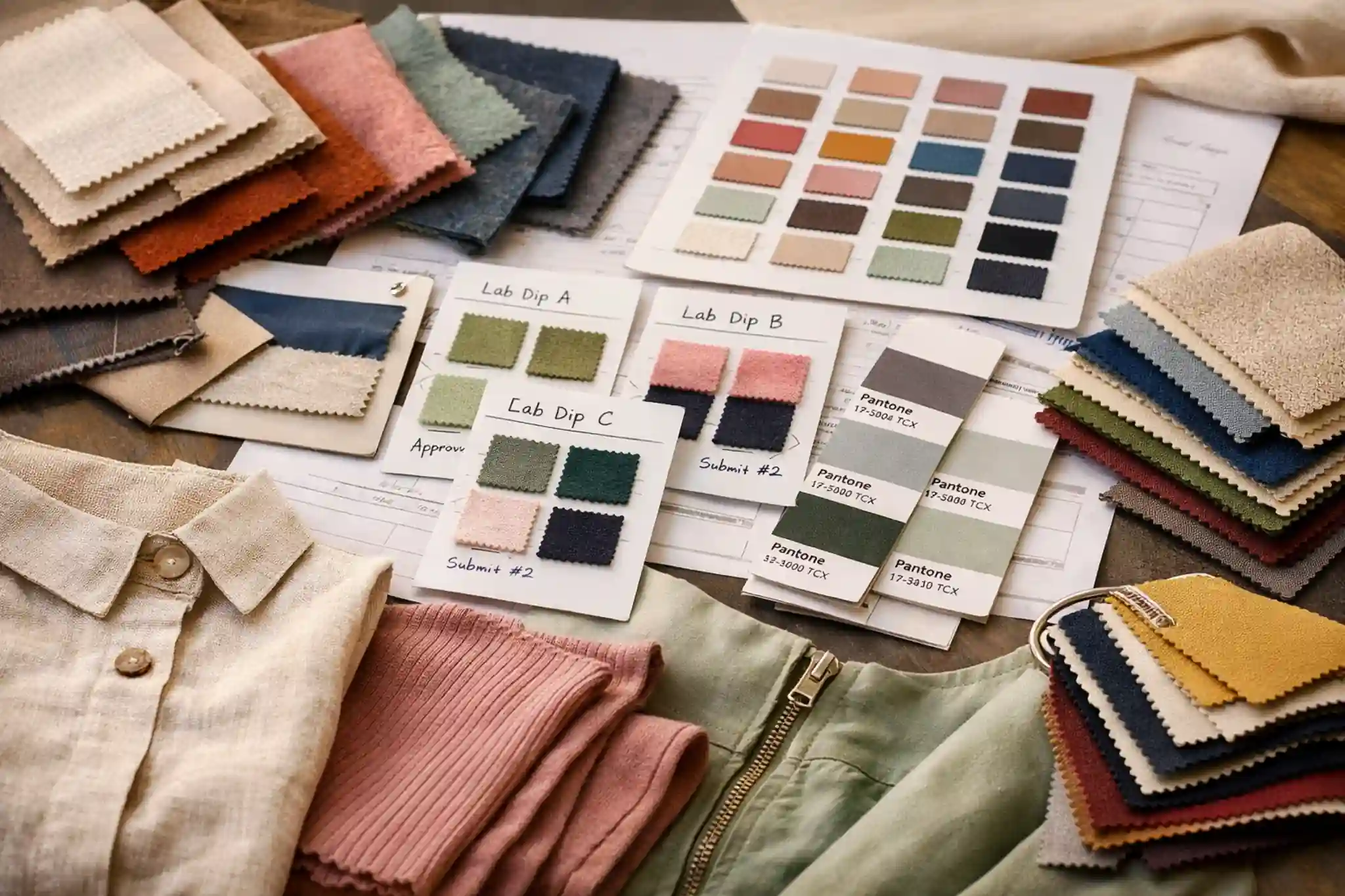
3. Learn the Basics of Fabric Selection
Fabric is the foundation of your product.
Key factors to consider:
- Fabric composition such as cotton or blends
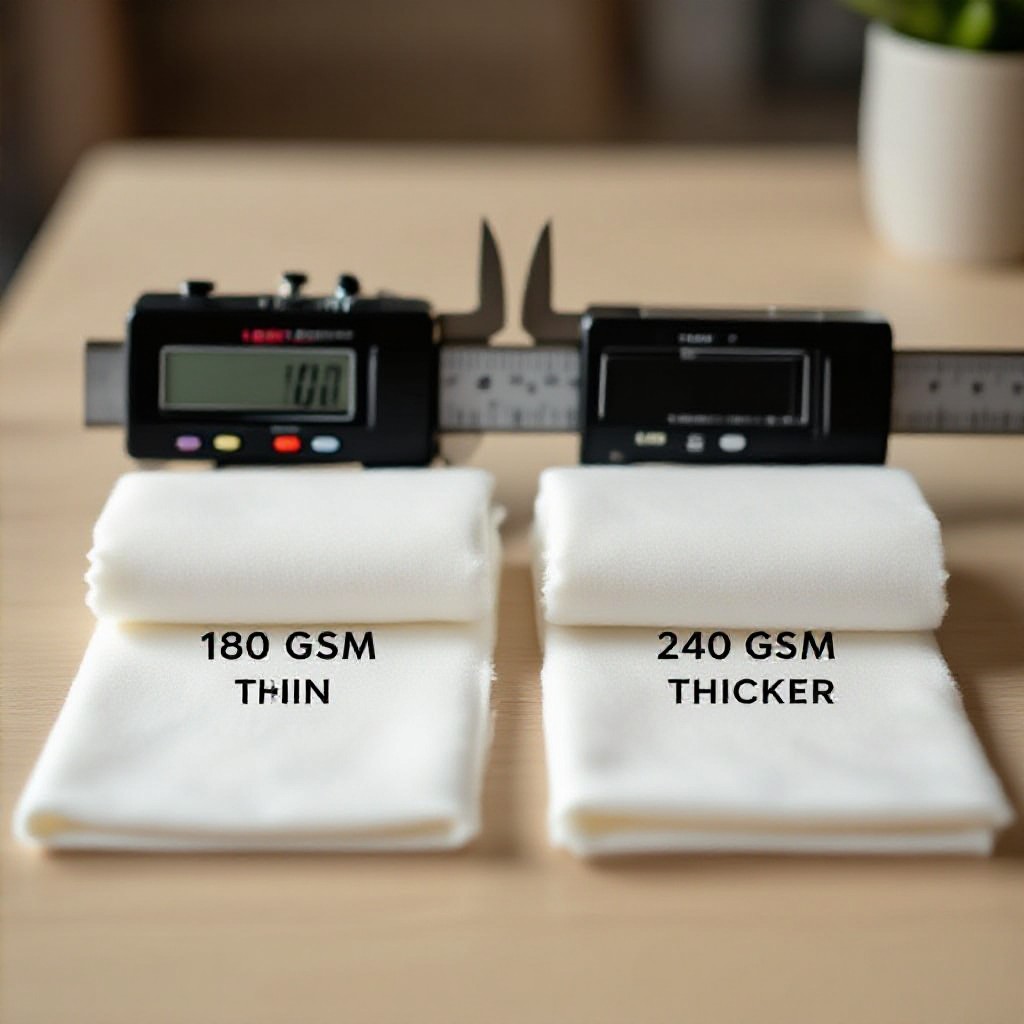
- GSM or fabric weight
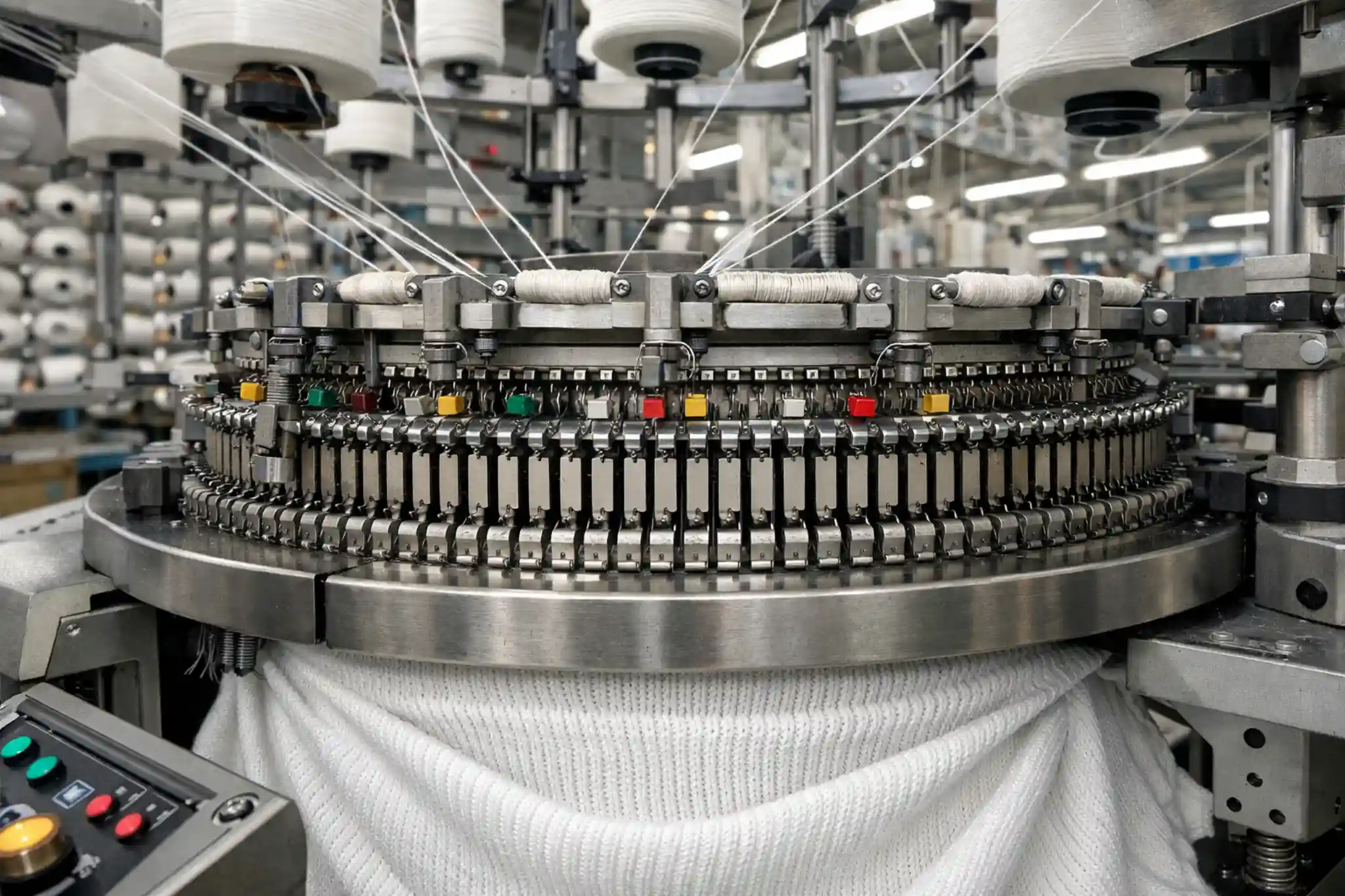
- Knit type such as single jersey or interlock
For example:
- 180 GSM is commonly used for lightweight t-shirts
- 220 to 260 GSM is used for premium or oversized styles
Choosing the right fabric affects:
- Fit and structure
- Comfort
- Product lifespan
Many new brands make the mistake of focusing only on design and ignoring fabric quality, which leads to customer dissatisfaction.
4. Create a Detailed Tech Pack
A tech pack is the blueprint of your product. Without it, manufacturers cannot give accurate pricing or produce consistent garments.
A proper tech pack includes:
- Measurement chart
- Fabric details
- Stitching specifications
- Artwork placement
- Label and packaging instructions
Even if you are starting small, a clear tech pack reduces errors and saves time during production.
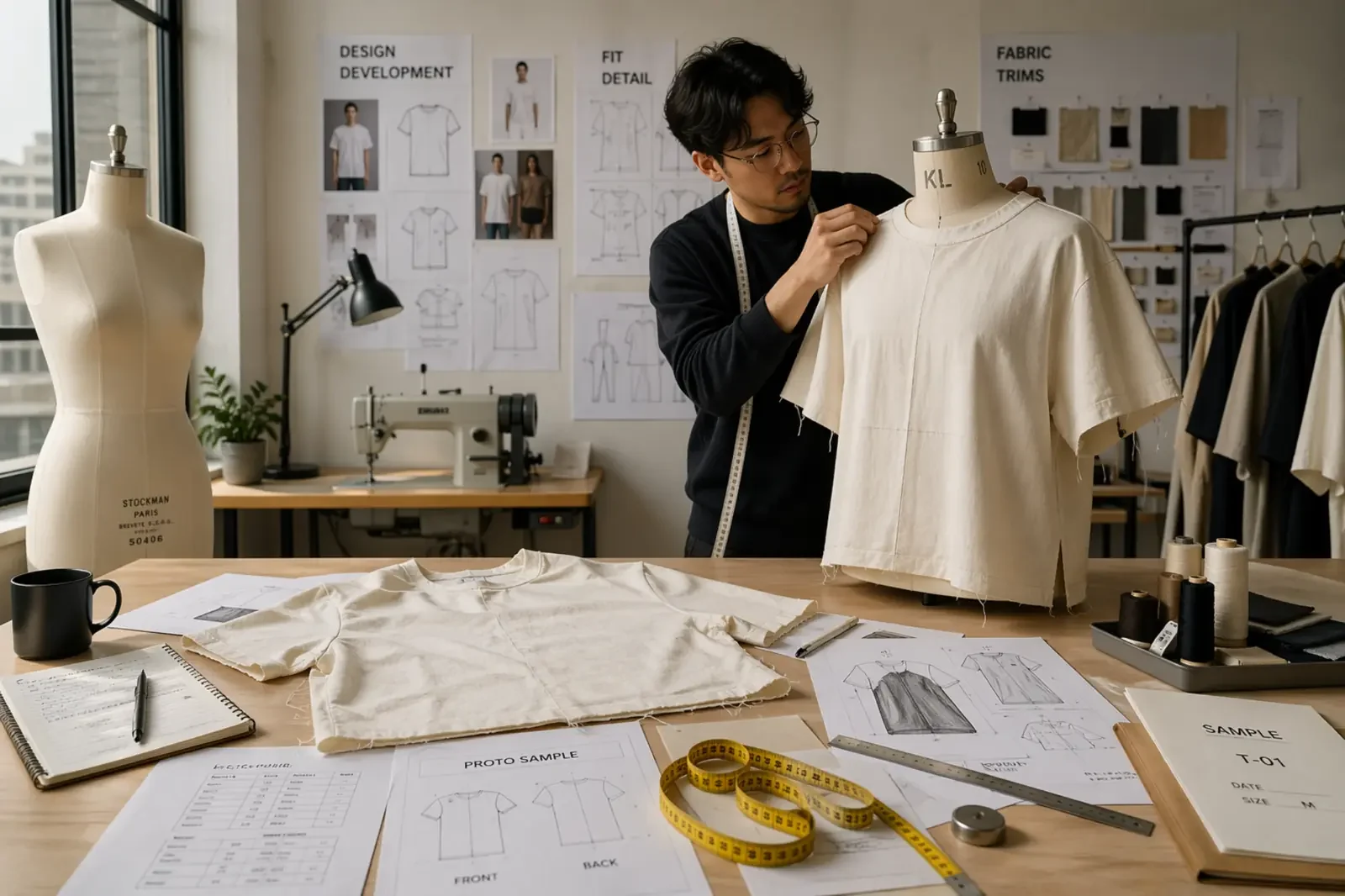
5. Understand Sampling Before Production
Sampling is the most important stage in clothing manufacturing.
It allows you to:
- Test fit and sizing
- Evaluate fabric performance
- Check construction quality
There are typically multiple stages:
- Prototype sample
- Fit correction sample
- Pre-production sample
Many brands rush through sampling to save time, but this often leads to bulk production issues.
If you want a deeper understanding, read about sampling vs bulk production and how differences can impact your final product.
6. Choose the Right Manufacturing Approach
You have two main options:
Working with manufacturers directly
- Suitable for experienced buyers
- Requires strong technical knowledge
Working with a sourcing partner
- Helps manage factories, quality, and communication
- Reduces risks for new brands
Manufacturing is not just about price. It involves:
- Fabric sourcing
- Production coordination
- Quality checks
- Timeline management
Choosing the right partner affects your entire business.
7. Understand MOQ and Cost Structure
MOQ stands for minimum order quantity.
Typical expectations:
- Around 500 pieces per color for t-shirts
- Higher quantities for specialized fabrics
Why MOQ exists:
- Fabric dyeing requires minimum volumes
- Production efficiency depends on batch size
Trying to reduce MOQ too much often increases cost per piece.
Cost components include:
- Fabric
- Trims and labels
- Printing or embroidery
- Stitching and finishing
Understanding these factors helps you price your product realistically.
8. Plan Your Branding Elements
Branding goes beyond your logo.
Key elements include:
- Neck labels or printed tags
- Hang tags
- Packaging such as polybags or custom boxes
Consistency in branding improves perceived value and customer trust.
Even simple products can look premium with well-planned branding.
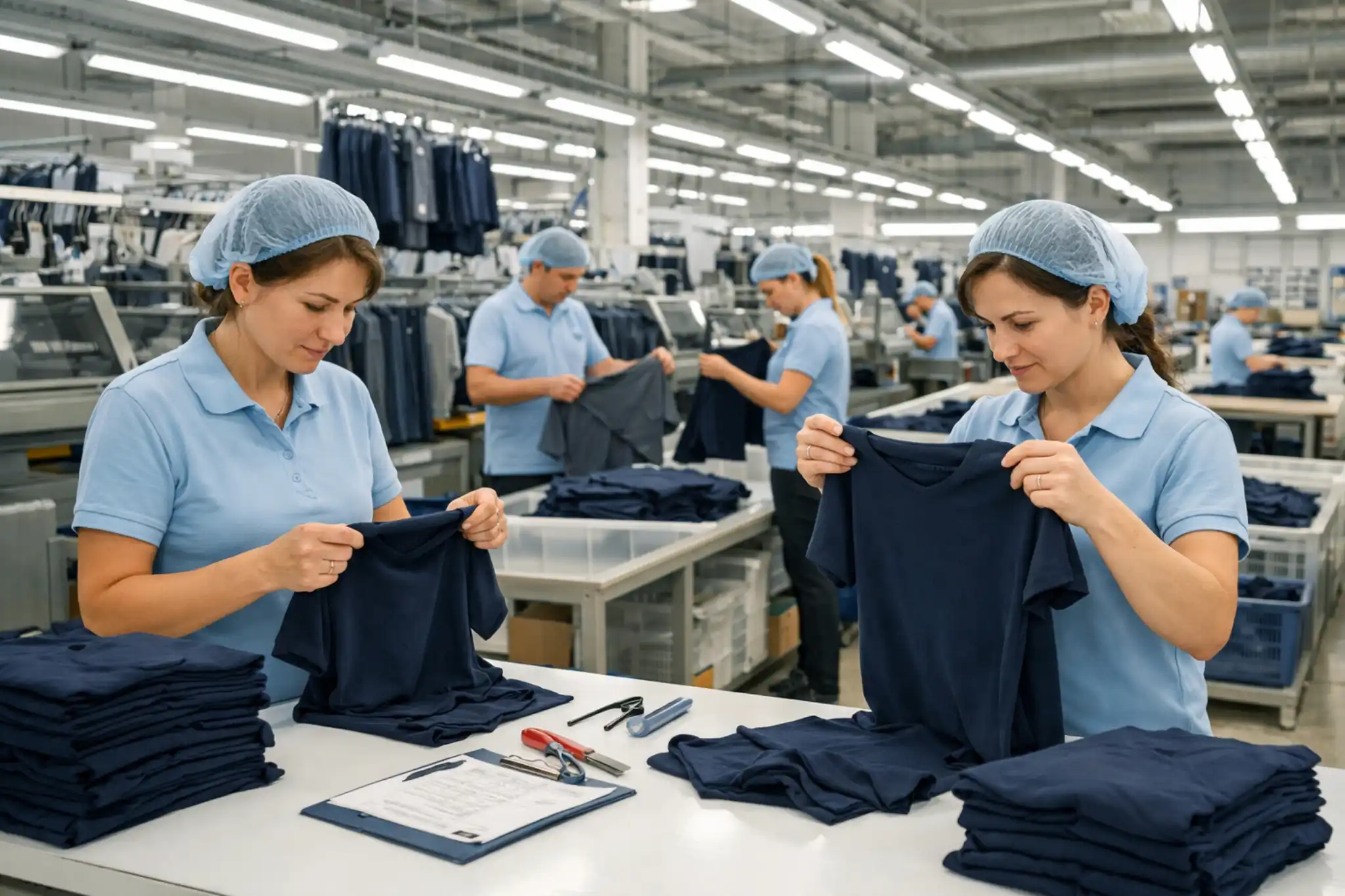
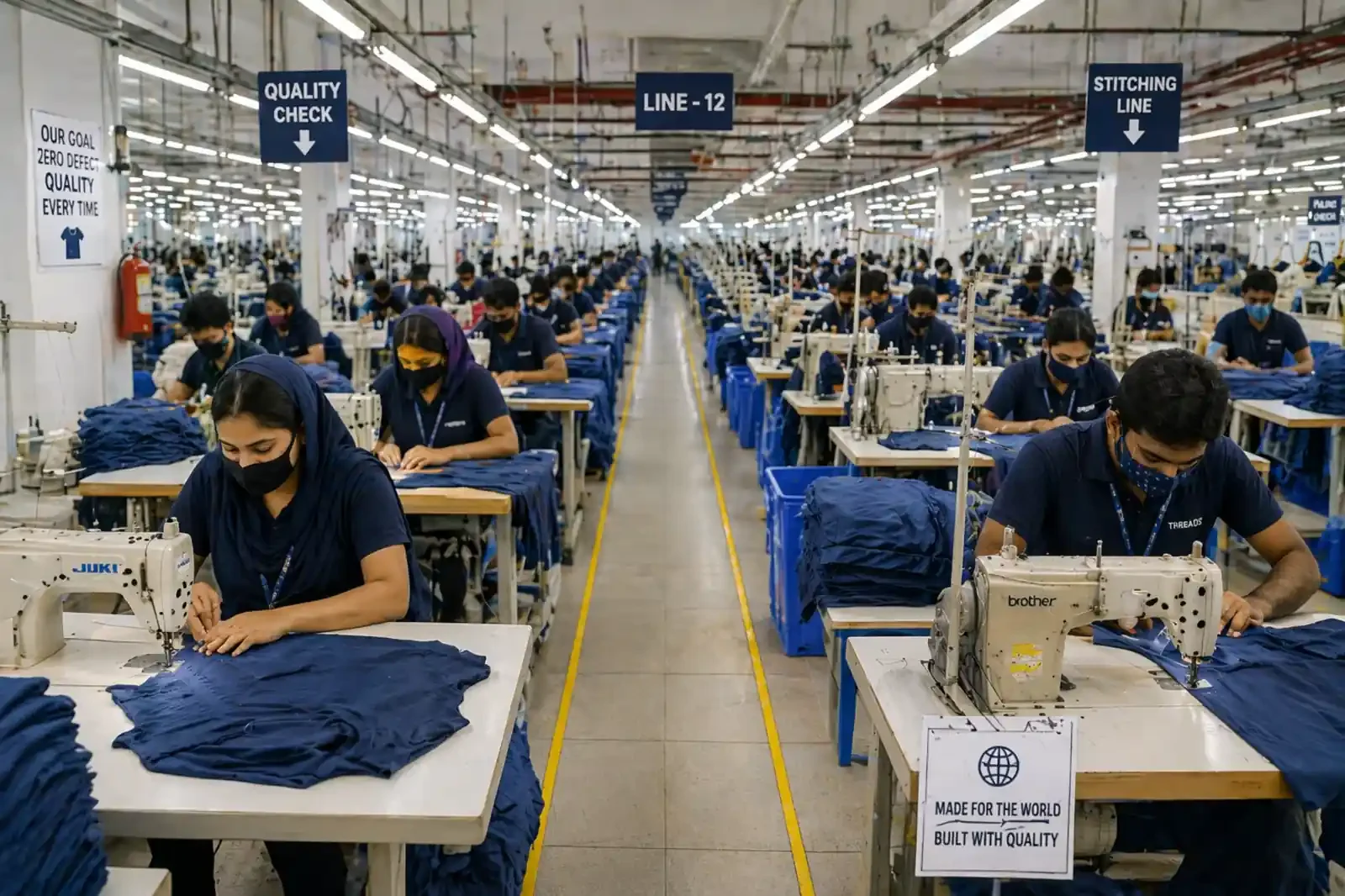
9. Set Up Quality Control Systems
Quality control is essential, especially during bulk production.
Standard checks include:
- Measurement verification
- Stitching quality
- Fabric defects
- Final inspection before shipment
Without proper quality checks, issues can go unnoticed until the product reaches customers.
10. Build a Simple Launch Strategy
Once your product is ready, focus on launching it effectively.
You can start with:
- A basic ecommerce website
- Social media platforms such as Instagram
- Small batch releases
Avoid overproducing in the beginning. Test your product with smaller quantities and gather feedback.
Common Mistakes to Avoid
Starting without product clarity
Trying too many styles at once leads to confusion and poor execution
Ignoring fabric quality
Low-quality fabric results in returns and negative reviews
Skipping proper sampling
This leads to bulk production issues
Focusing only on price
Cheaper production often leads to higher long-term costs
Final Thoughts
Starting a clothing brand requires more than creativity. It requires structured execution.
From fabric selection to sampling and bulk production, every step affects the final product.
Brands that succeed are the ones that:
- Take time to develop their product properly
- Work with the right manufacturing partners
- Maintain consistency in quality
If you approach the process with clarity and patience, you can build a brand that grows sustainably.
Planning to start your clothing brand?
Share your idea, product category, or tech pack to get a realistic feasibility review before moving into sampling and production.